First trimesters are often full of nausea (mine included). Below I share practical tips for coping with pregnancy nausea and a recap of my first trimester experience during my second pregnancy.
I’ll be sharing bits of my second pregnancy here. I’m not a prenatal dietitian—just sharing personal experience. Pregnancy can be sensitive and posts like this can be triggering for some, so please prioritize your well‑being.
The first trimester is equal parts thrilling, exhausting, and nauseating. I vividly remember an early spring day around six or seven weeks when my parents came over to help transplant plants. My toddler, Lex, was napping and I couldn’t stand up to help; I had to sit and close my eyes or I felt like I might collapse from sheer exhaustion.
That pretty much summed up my first trimester.
My 1st OB Appointment
After moving to the suburbs since I had Lex, I decided to transfer OB care to a closer hospital. I loved my previous care team, but the thought of potentially giving birth on the way to a distant city hospital (traffic can easily make a 90‑minute trip much longer) made me anxious.
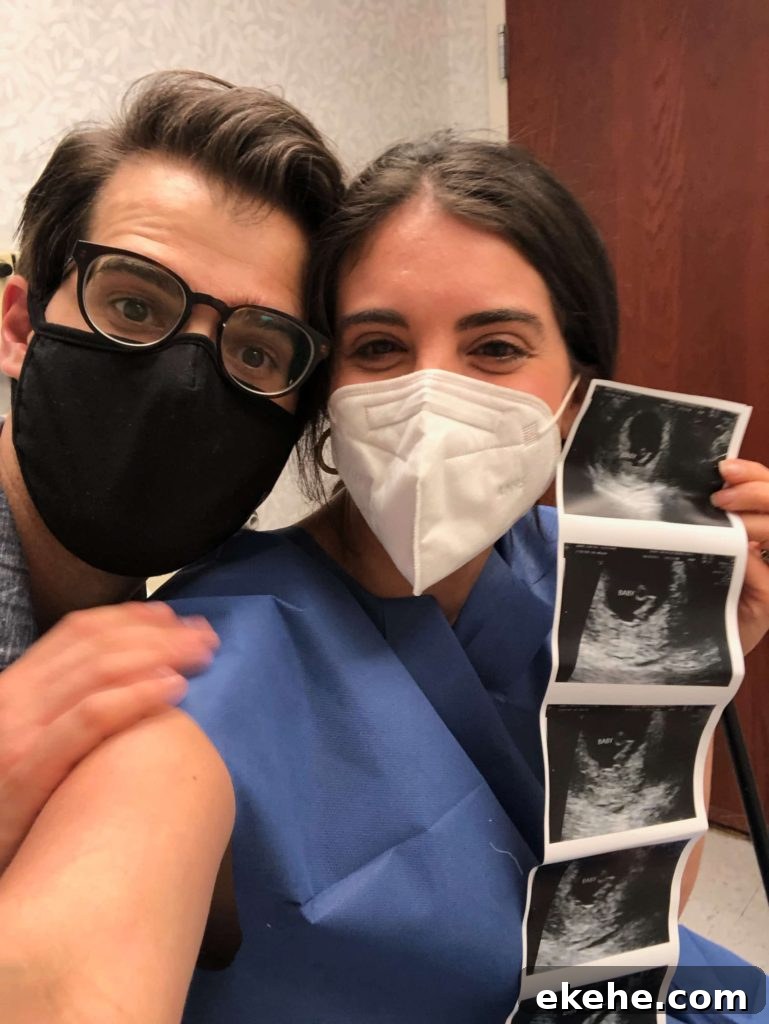
At what turned out to be seven weeks, I had my first OB appointment. Because I tend to have long cycles and ovulate late, I couldn’t rely on the “first day of your last period” method to date the pregnancy, so I was curious to see exactly how far along I was.
Seeing a tiny embryo with a strong heartbeat on that ultrasound felt like magic—like it did the first time around. You forget how quickly such a small figure already looks like a baby.
Symptoms in my 1st Trimester
Along with intense exhaustion, I experienced several classic first‑trimester symptoms:
- Nausea
- Nausea
- And more nausea
More on how to deal with pregnancy nausea below
I was definitely more nauseous this pregnancy than my first, and I even vomited this time—something that didn’t happen with my first pregnancy.
Balancing nausea while working and caring for a toddler intensified the exhaustion. I relied on bland carbs, naps, short workdays when possible (a perk of running my own business), early bedtimes (often by 7:30 pm), and the occasional TV parenting session—things I had avoided before pregnancy but leaned on to survive.
Other early pregnancy symptoms I experienced included:
- Tender breasts
- Frequent urination
- Food aversions (vegetables and chocolate were often off‑limits)
- Cravings for salty foods
How to Deal With Pregnancy Nausea
Pregnancy nausea is challenging. From a nutrition and practical standpoint, there are several strategies that helped me cope. My overall goal in the first trimester was simply to survive and get through day‑to‑day life until symptoms eased.
My number one tip: prioritize getting by
That might sound vague, but focusing on basic needs—rest, simple foods, hydration, and pacing—made the biggest difference. Below are concrete, nutrition‑focused strategies that helped.
1. Choose a prenatal supplement that works for you
A prenatal supplement helps cover nutrient gaps and reduces pressure on your diet during a time when appetite and tolerance can be unpredictable. Many prenatal vitamins can be large, smelly, or require multiple pills, so find one you can tolerate. Personally, I’ve used New Chapter’s prenatal in both pregnancies (three pills daily), which worked for me.
2. Keep snacks at your bedside
Night and morning nausea were common for me. Having easy, bland snacks—pretzels or saltines, for example—within reach helped settle my stomach and got me through those moments.
3. Eat before you get too hungry
Honoring hunger is always important, but during pregnancy it’s crucial to prevent becoming overly hungry, which often made my nausea far worse. Small, timely bites before intense hunger set in minimized episodes.
4. Try small, frequent meals or snack plates
When nausea is frequent, full meals can feel overwhelming. Snack plates and smaller meals were easier to tolerate. Pregnancy also increases protein needs, so aim to include protein with most mini meals—this supports energy and helps with satiety.
Mini meals that worked for me
- Yogurt with granola
- Toast with eggs
- Baked potato with cheese
- Whole grain pasta with meatballs
- Lentil or chickpea pasta
- Chicken fingers
- Cottage cheese with fruit
5. Give yourself permission to eat carbs
Carbohydrates—especially bland ones like crackers, bread, and plain pasta—are often the most tolerable foods during nausea. While whole grains are a good choice when possible, it’s okay to rely on refined carbs when needed to manage symptoms. Pair carbs with protein when you can to help meet increased protein needs.
Nutritious carb swaps and tips
- Choose whole grain bread or pasta when tolerated
- Try legume‑based pastas for extra protein
- Toast whole grain tortillas to make chips
- Keep whole wheat freezer waffles on hand
- Add cheese or chicken to carbs to boost protein
6. Stay hydrated
Staying hydrated felt essential—especially since my first trimester coincided with warm months and I craved acidic drinks like orange juice and lemonade. If plain water is hard to swallow, add a squeeze of lemon, lime, or orange, or sip a favored beverage occasionally. If you have concerns about blood sugar or gestational diabetes, check with your healthcare provider.
7. Give yourself grace
Hormonal changes make nausea a common part of early pregnancy. Be kind to yourself and your food choices; the priority is getting through this phase. If you’re working on your relationship with food now, that progress can make pregnancy eating—often heavy on simple carbs—feel less stressful.
If improving your relationship with food interests you, consider resources or programs from registered professionals. Wishing you compassion and patience during this challenging phase. XO