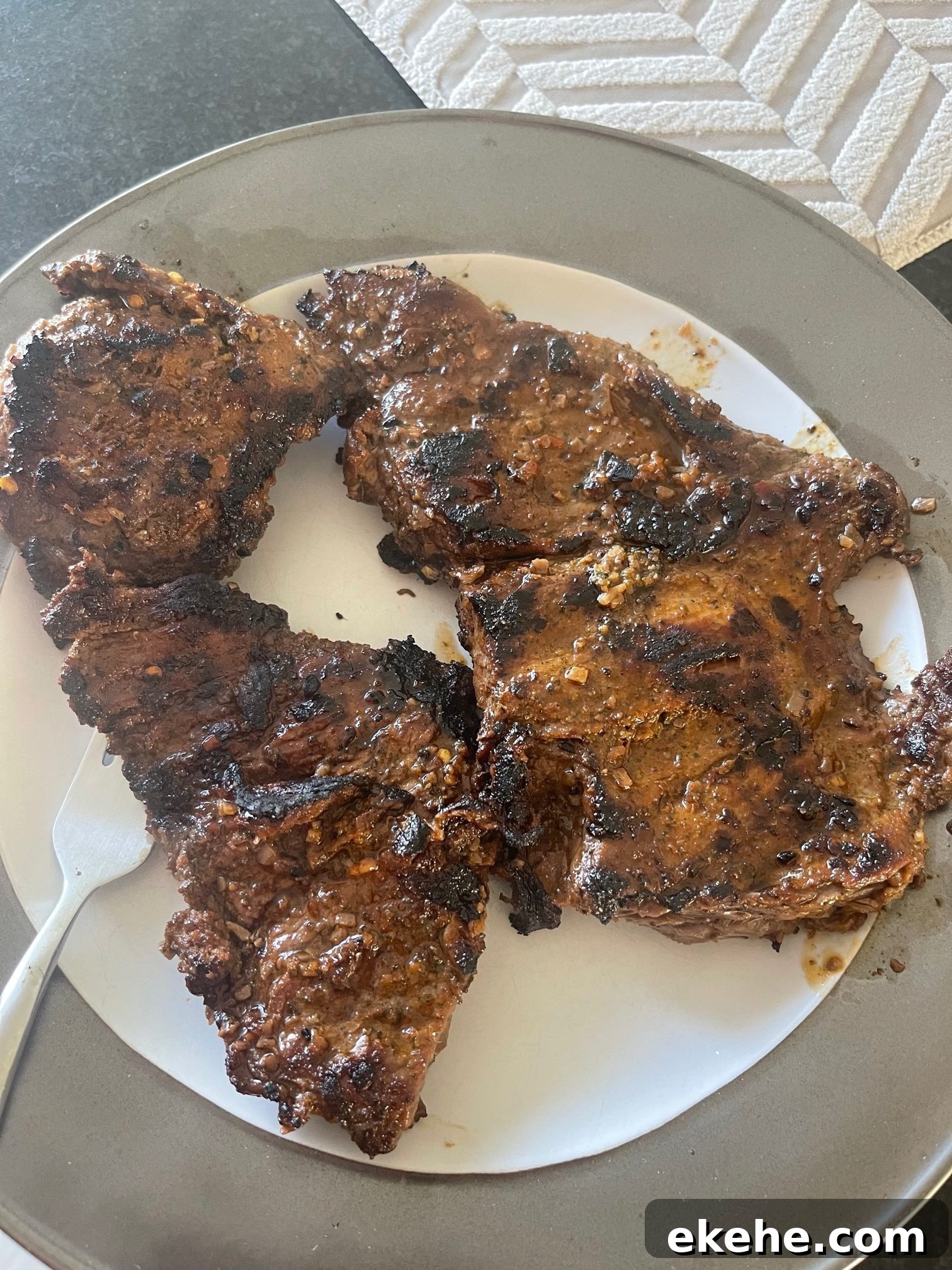
Drying Your Meat After Sous Vide Is Key To A Good Sear: Here’s Why
As soon as you remove meat from the sous vide bath, it’s tempting to sear and serve immediately. Waiting a few extra minutes takes restraint, but it makes a big difference for flavor and texture.
Below I explain why drying meat after sous vide is essential and share practical, easy methods to get a better crust without overcooking the interior.
Why Is Drying Your Meat Important?
When meat comes out of a sous vide bath, the interior is already at the desired doneness, so you don’t want to raise that internal temperature significantly. At the same time, the exterior needs a high-heat sear to develop a golden-brown crust.
Surface moisture must evaporate before browning can occur. If you try to sear wet meat, the water on the surface will boil first, and while it’s evaporating you aren’t achieving Maillard browning. That prolonged boiling phase effectively cooks the inside more, risking overcooking and preventing a proper crust.
Drying meat accomplishes two important things:
- Removes surface moisture so the pan or grill can build a crust instead of boiling the meat’s exterior.
- Lets the meat cool slightly, lowering the internal temperature so you can apply higher searing heat without overshooting your target doneness.
These factors together produce a steak with a deep, flavorful crust and a perfectly cooked interior.
How Do You Dry Meat After Sous Vide
Here are reliable methods to dry meat after sous vide, from quickest to more deliberate approaches:
- Pat with paper towels
- Use a dedicated sous vide dishcloth
- Air-dry in the refrigerator overnight
- Speed up drying in a low-temperature oven
- Avoid salting before drying to minimize moisture retention
Pat with Paper Towels
The simplest technique is to blot the meat with paper towels. Lay two or three sheets on a cutting board, place the meat on them, and gently press with another stack of towels. Be sure to pat the sides as well—edges and seams can hold water that will steam during searing.
Use a Sous Vide Dishcloth
If you cook sous vide regularly, you’ll go through many paper towels. A reusable, absorbent dishcloth designated for this task is more economical and eco-friendly. It dries meat effectively and can be rinsed and reused several times.
Air-Dry in the Refrigerator Overnight
After patting, place the meat on a wire rack in the fridge overnight to draw out remaining surface moisture. This is especially useful for poultry or cuts with skin, which crisp up noticeably better when the skin is well dried.
Speed Drying in the Oven
If you don’t have time for overnight drying, you can use a very low oven. Set the oven to about 120°F (49°C), place the meat on a wire rack, and leave it for around 20 minutes. This removes much of the surface moisture without meaningfully raising the internal temperature.
Avoid Salting Before Drying
Salt draws moisture to the surface. If you salt meat before patting or air-drying, it can pull additional water out and then reabsorb it, defeating your drying efforts. For best results, season with salt right before searing. If you prefer to marinate before sous vide, use salt-free aromatics and spices, then add salt just prior to the hit of the pan.
Love our lodge cast irons. Pick one up here!
What Happens If You Don’t Pat Steaks Dry?
Skipping the drying step often makes it difficult to achieve a great sear. Surface moisture boils during contact with a hot pan, which keeps the crust from developing and raises the internal temperature. The result is a less flavorful, less caramelized exterior and a greater risk of overcooking the center.
Final Thoughts On Drying Your Meat After Sous Vide
Try a simple test: pat one sous vide steak dry and sear another immediately. Compare the two once finished—you’ll notice a clear difference in crust, texture, and overall flavor.
Drying removes surface moisture and slightly reduces core temperature, enabling higher-heat searing that produces a rich, browned crust without compromising the interior doneness. A few extra minutes of drying go a long way toward an exceptional final result.