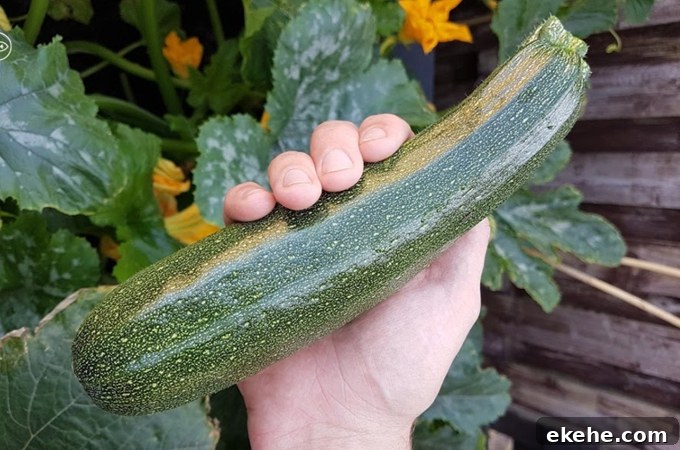
Zucchini is an excellent plant for beginners. They are sturdy, easy to grow, require little maintenance and, best of all, they produce a lot of food. With proper care, a zucchini plant can keep producing until the first frost. I recommend them for gardeners with any amount of space—even balconies with a planter will do. While you can buy seedlings from garden centres, the cheapest and most flexible option is to grow zucchini from seed. Here’s a clear guide on how to do that.
How to germinate zucchini seeds?
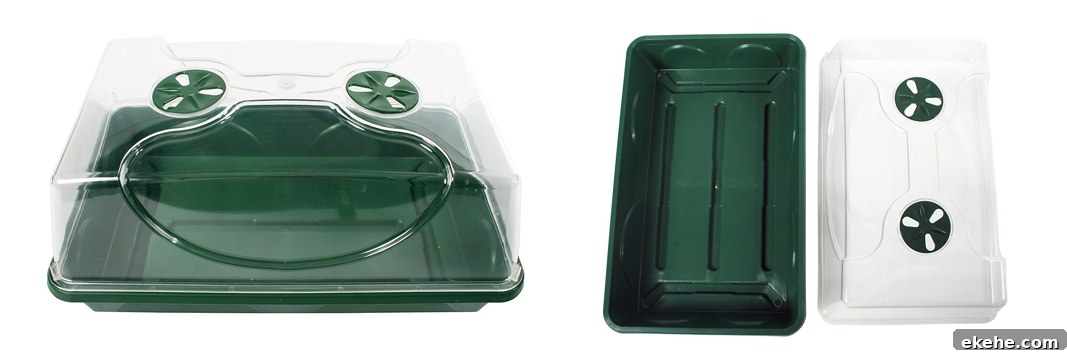
Zucchini seeds are forgiving. Plant them about 2.5 cm (1 inch) deep in damp soil. They need steady warmth and humidity to germinate reliably. A propagator helps maintain those conditions and is useful year after year if you grow many seedlings. A domed propagator with adjustable vents and a clear lid makes it easy to monitor seedlings without losing warmth.
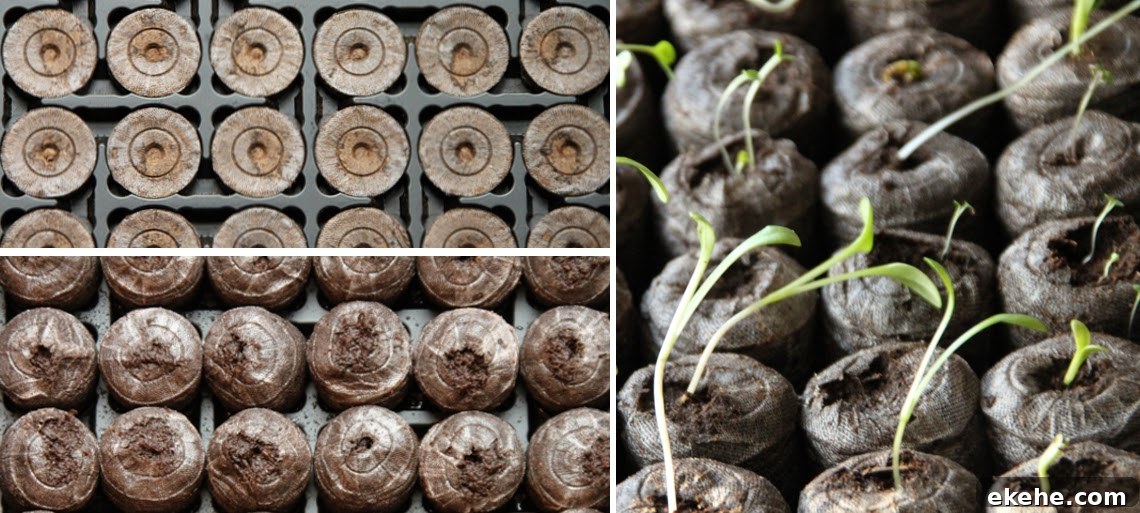
Starter trays or jiffy pellets both work well for germination. Starter trays fit neatly in a domed propagator and often include plant labels, which are handy if you’re new to gardening. Jiffy pellets are compact peat or coir pellets that expand when watered—useful when you want to start many plants in small space. Whichever method you choose, it’s a matter of preference.
Plant two seeds per cell or pellet to improve your chances. Zucchini has a high germination rate, so often both will sprout. When that happens, thin to one seedling per container by snipping the smaller stem at the soil level with scissors. Removing the weaker seedling prevents root competition and gives the remaining plant the best chance to grow vigorously.
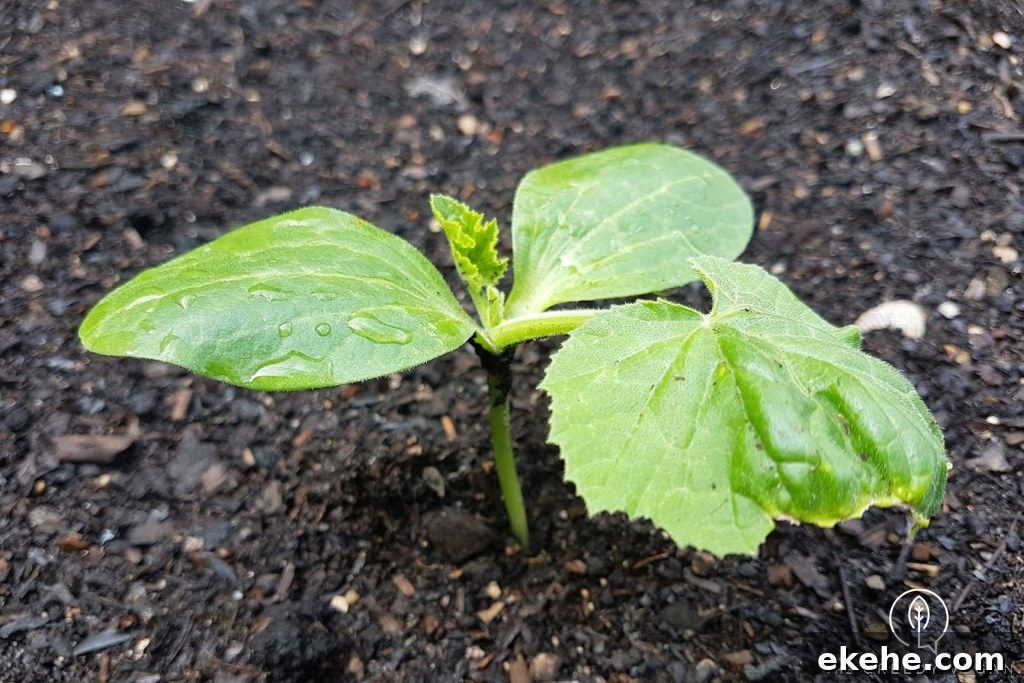
When can I move my zucchini outside?
Move seedlings outdoors when daytime temperatures are consistently between 15–20 °C (60–70 °F). A useful rule of thumb is to transplant about one month after your area’s last spring frost. Hardening off young plants by gradually exposing them to outdoor conditions over several days will reduce transplant shock.
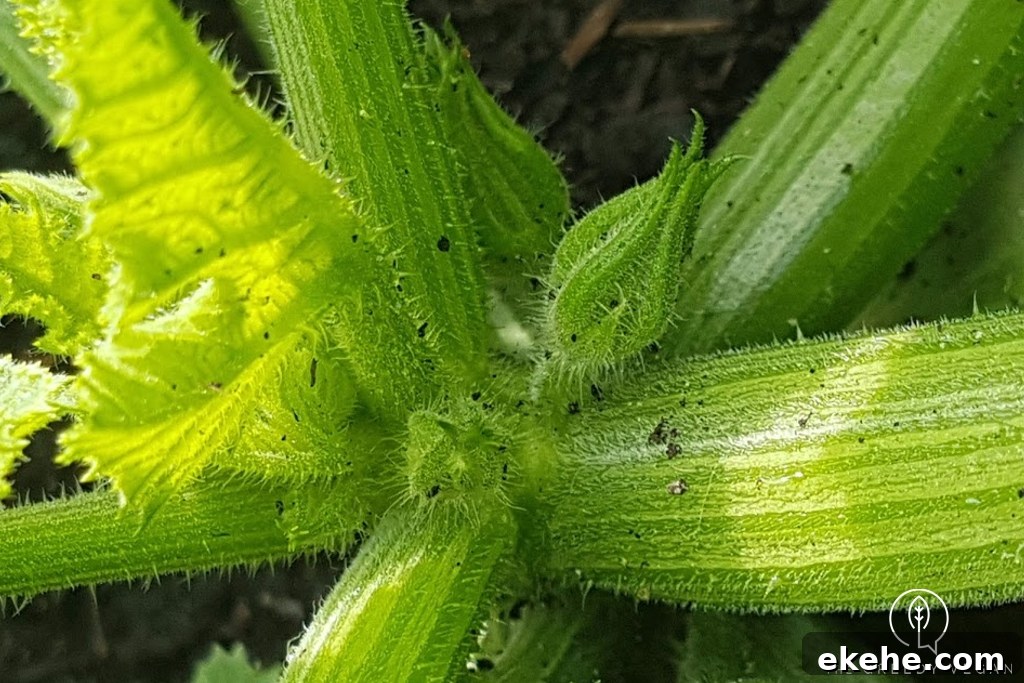
How much space do zucchini plants need?
Zucchini plants have large leaves and need room to spread. Space plants at least 60 cm (2 ft) apart. You can let plants sprawl on the ground or train them to grow vertically on a trellis to save space. Vertical growing works well in small gardens and balconies. For freestanding support, choose sturdy materials like steel as the plants and fruit become heavy. If training against a fence or wall, trellis netting is a simple option. Freestanding cages or tall tomato supports also provide good airflow and make harvesting easier.
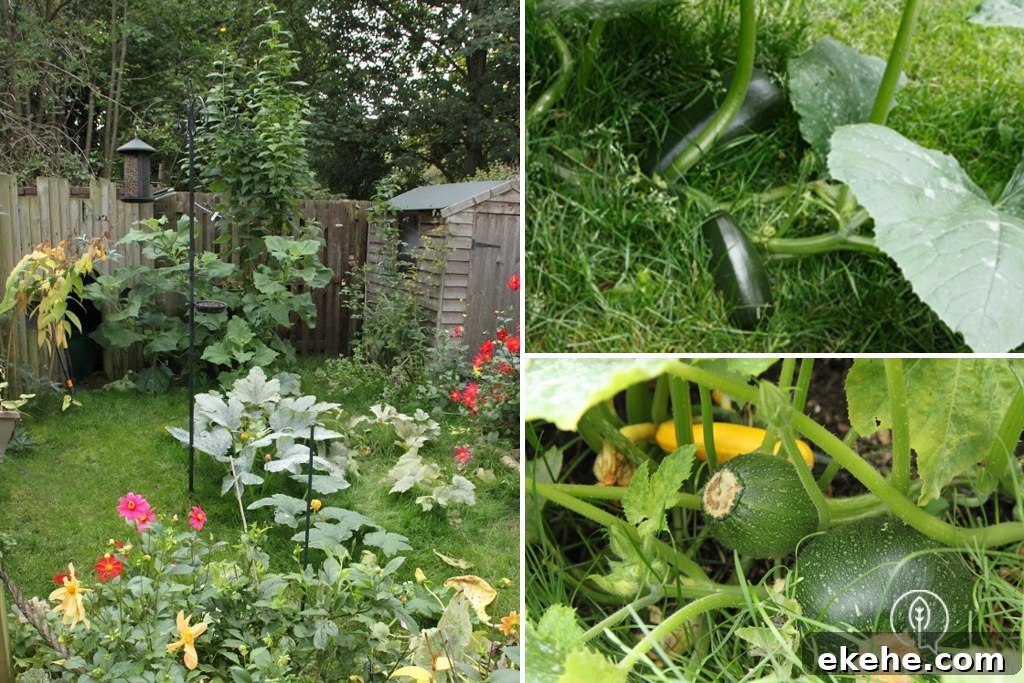
Can I plant zucchini in pots? Where to plant zucchini in the garden?
Zucchini are adaptable and grow well in containers or in-ground beds as long as they receive 8–10 hours of sun daily. I’ve successfully grown zucchinis in balcony pots, garden beds, partial shade and full sun. Large pots or grow bags are ideal for container-grown plants, provided they have enough soil volume and drainage. In a garden, allow them room to spread or give them vertical support to keep walkways clear. Zucchini can become very large and productive, so plan the planting spot accordingly.
How to take care of zucchini plants?
Water consistently—zucchini grow fast and fruit prolifically, so they need regular moisture. Water at the soil level using a soaker hose or a garden hose placed under the foliage to keep leaves dry. Wet leaves encourage powdery mildew, a common fungal problem that appears as a white, powdery coating on the foliage. Avoid overhead watering and water early in the day so any surface moisture can dry before nightfall.
How long does it take to grow zucchini?
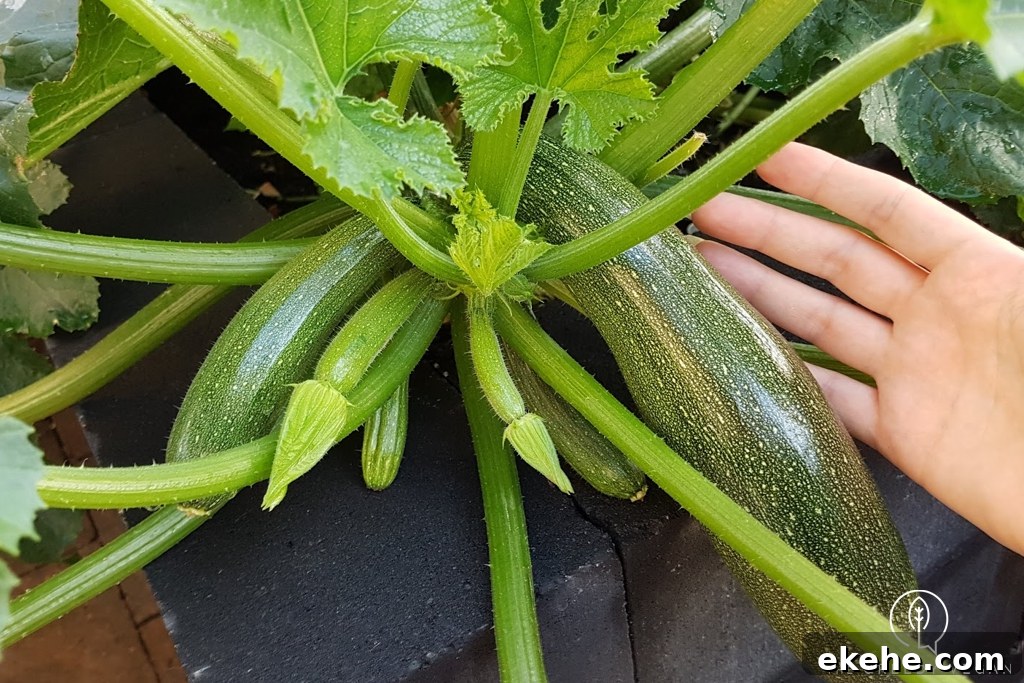
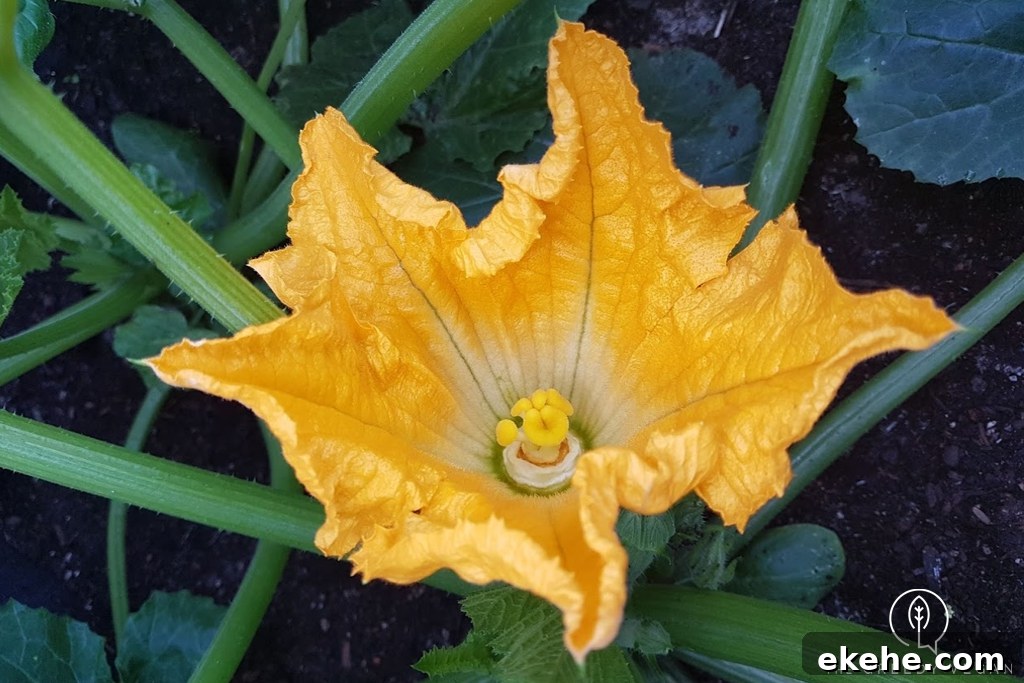
Time to harvest depends on climate and whether you planted seedlings or seeds directly. Typically, expect your first harvest 30–50 days after planting. During the waiting period you’ll enjoy large, attractive flowers and rapid growth. Many gardeners photograph the plants daily and are consistently surprised by how quickly they develop and how many fruits a single plant can carry.
When to harvest zucchini?
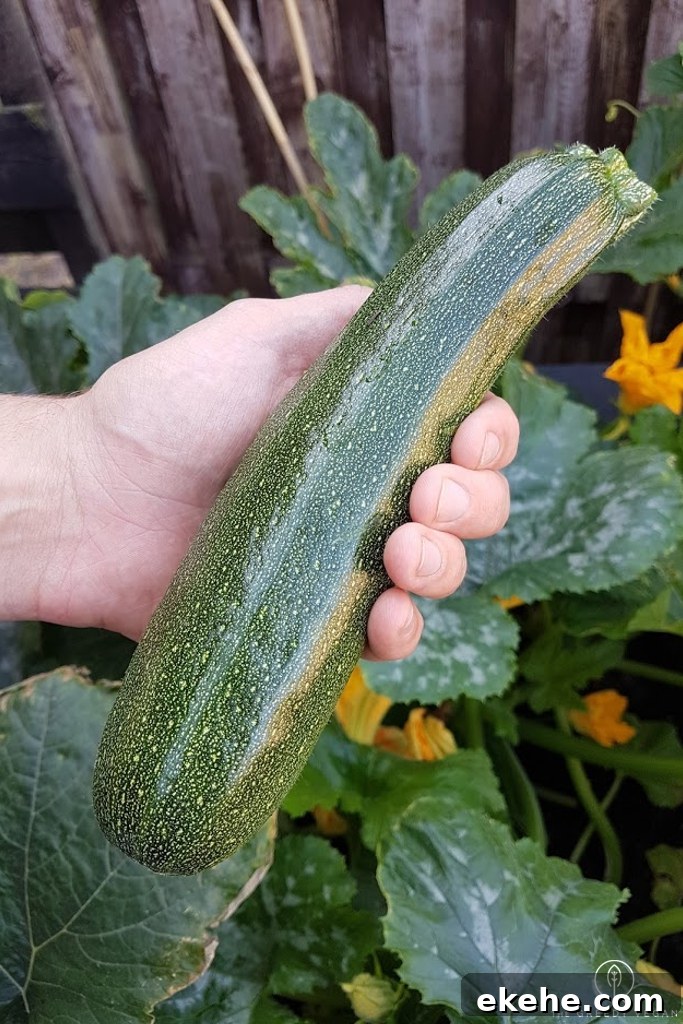
Harvest zucchini when they are medium-sized and firm. Smaller to medium fruits have the best texture and flavour; very large zucchini become spongy and less pleasant to eat. Always cut zucchini from the plant with a knife or pruners rather than pulling or twisting them off, which can damage stems and reduce future production.
How to eat zucchini?
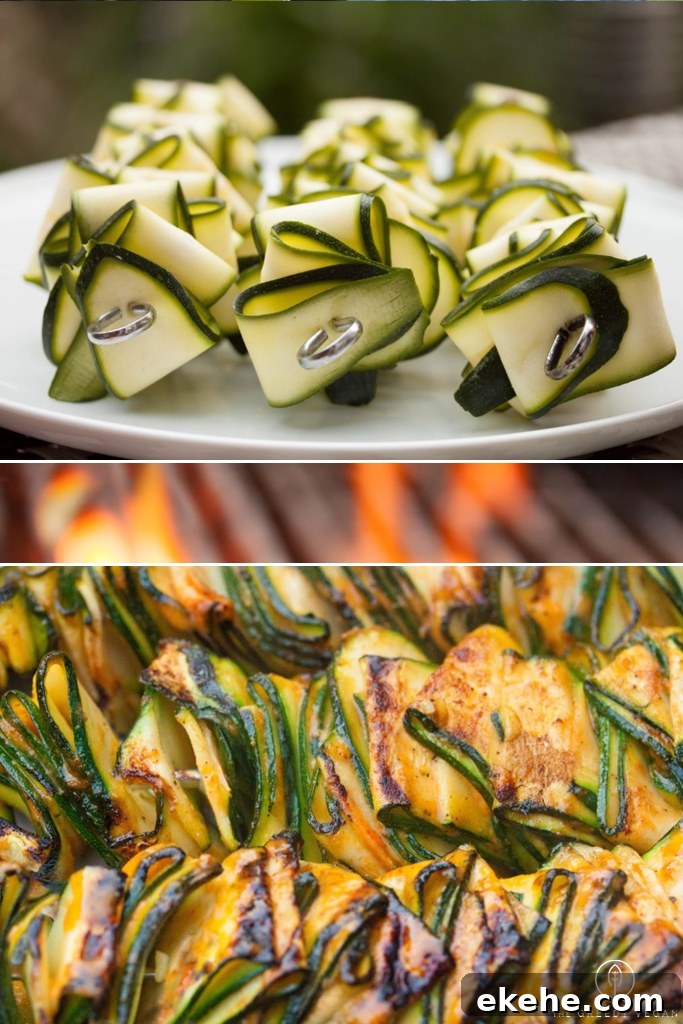
Zucchini is versatile and can be eaten raw or cooked. It pairs well with many flavours and works in salads, grilled skewers, sautés, casseroles, breads and even sweet baked goods like muffins or brownies to add moisture. Cooked zucchini has a mild taste and is nutrient-dense with low calories, high water content, vitamin C, potassium and other beneficial nutrients. Try a variety of preparations to discover how you like it best.
Grilled Zucchini Ribbons
If you try growing zucchini, share your experience—comments and photos are always welcome. Happy gardening and enjoy the harvest!