Pricing a cake might look like simple arithmetic: Cake Price = Cost of Ingredients + Cost of Time. In practice, it’s much more complicated. I used to believe the simple formula too, and it took experience to change my view.
When I first started baking, I made cakes for friends and family for free. I was the one who arrived at every party with a dessert in hand—birthdays, retirements, showers—always glad to contribute. Over time, however, people began asking me to bring desserts to events I hadn’t even been invited to. What began as a joy slowly felt like an obligation.
At first I tried asking people to just cover ingredient costs, but that wasn’t enough. Baking and decorating take time and skill. Beyond mixing and baking, there’s consulting, planning, sketching, shopping, photographing, packaging, clean-up, marketing, learning, and more. I began to realize my free cakes were costing me far more than I had guessed.
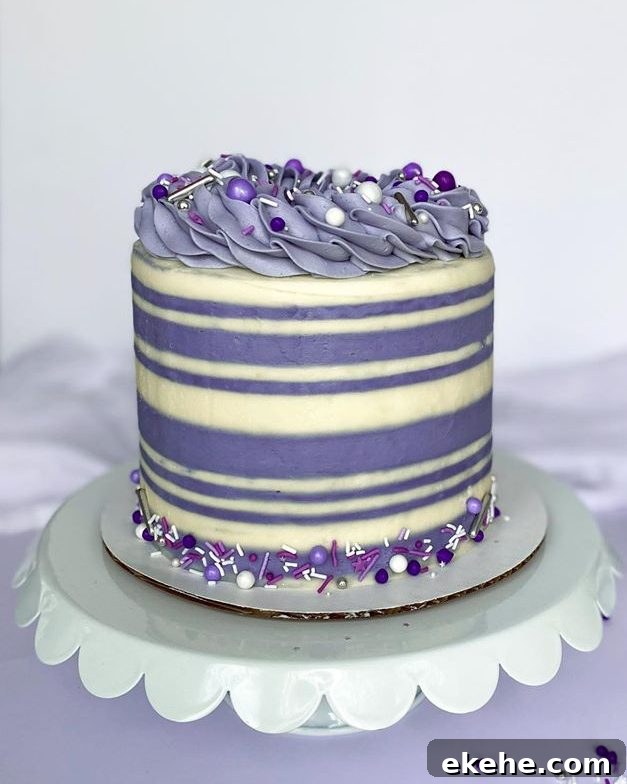
A few of the cakes I once made for free:
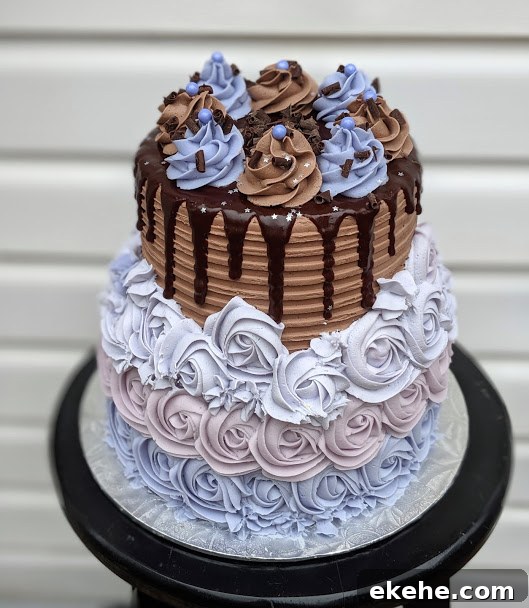
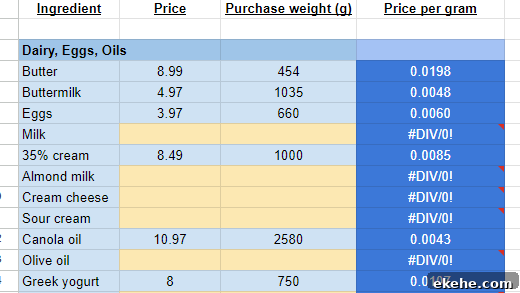
I struggled with valuing my time and my work. To move past emotion, I turned to data. I started a spreadsheet to track ingredient costs, materials, hours worked, and desired profit margins. Laying everything out exposed a harsh truth: I was losing money. Small items add up quickly—a cake box alone can cost around $4.50—and time spent on non-baking tasks can be substantial.
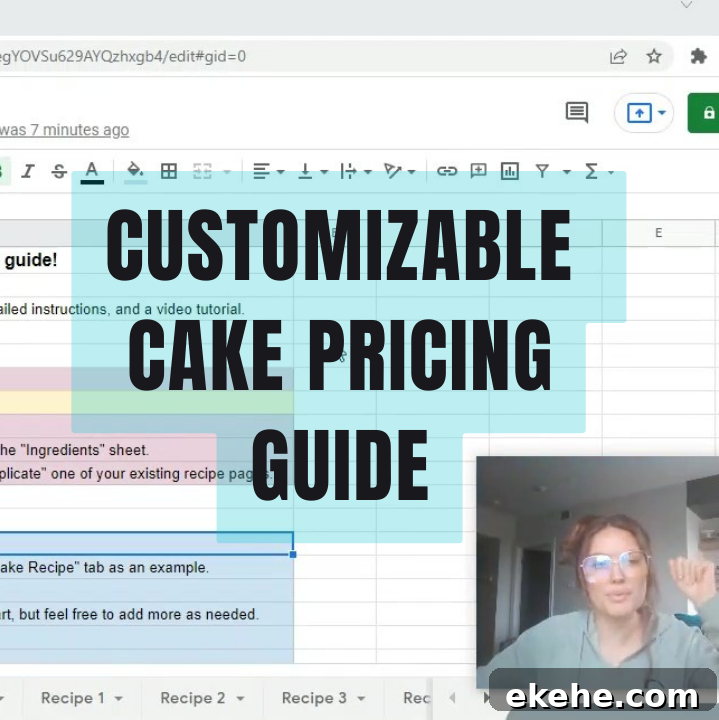
I also discovered I wasn’t the only one undervaluing my labor. Many home bakers undercharge, whether from lack of awareness or confidence. To help others avoid the same mistakes, I refined my spreadsheet into a user-friendly, fillable, and customizable pricing guide so others could plug in their own numbers and see the real costs.
That Customizable Cake Pricing Guide is now available in my shop. It includes a sample spreadsheet using my chocolate cake recipe, a video walkthrough, and email support for questions.
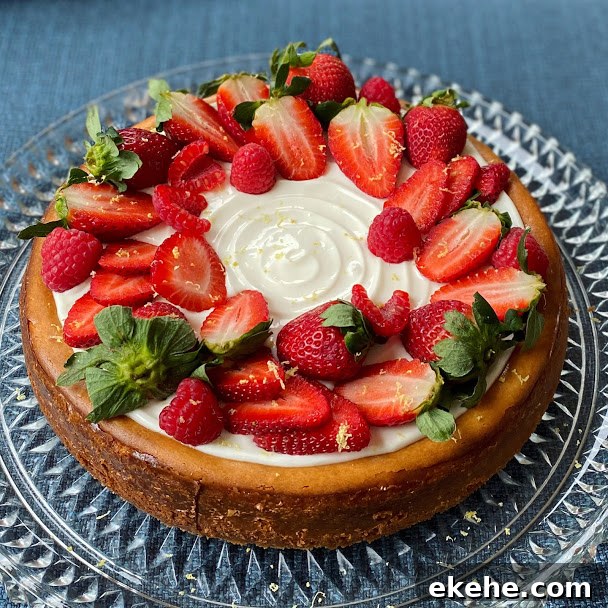
More cakes I made for free:
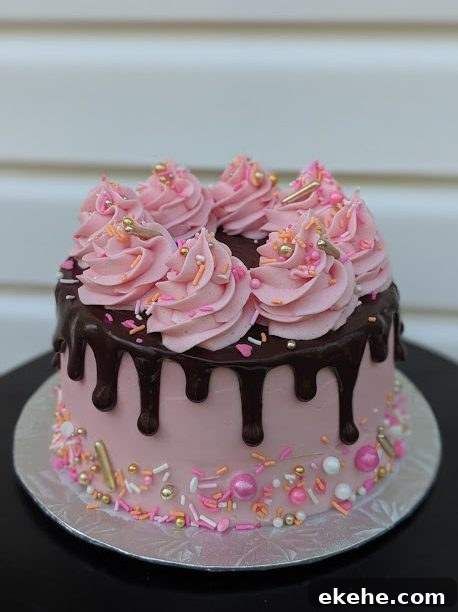
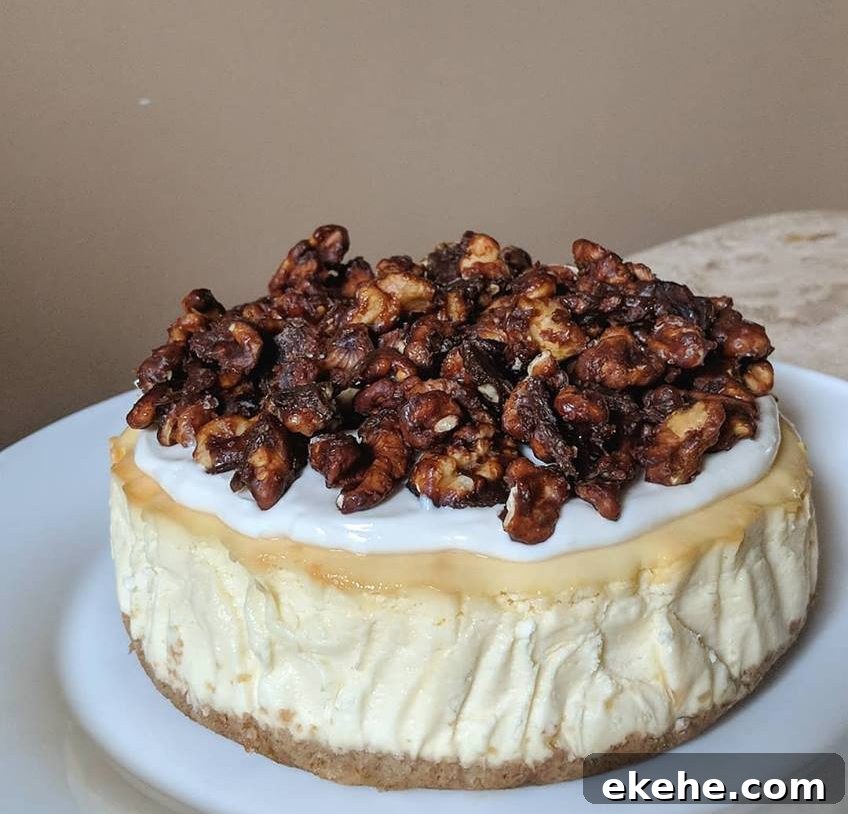
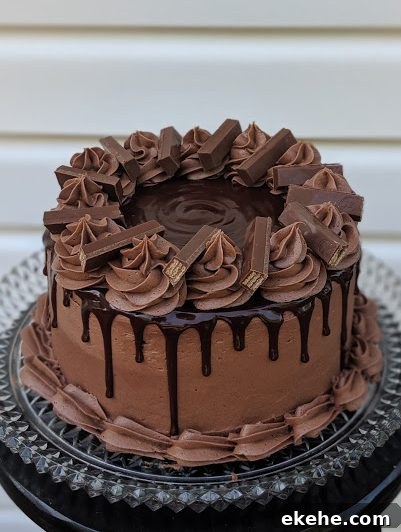
Why use a spreadsheet rather than sharing fixed prices? Costs and circumstances vary widely. For example, ingredient prices differ by region—one baker may pay $3.49 per pound for butter while another pays $8.99. Grocery trips, local wages, individual speed, and skill level all influence what a cake should cost. Your hourly rate should reflect your experience, local cost of living, and what customers in your area are willing to pay.
Regular price reviews are important. Inflation affects ingredient costs, so update your numbers frequently. The spreadsheet simplifies this: change one price and the calculations update automatically, saving time and preventing loss.
Here’s an example of the “Ingredients” tab where you enter your grocery costs:
Building that spreadsheet changed how I approached my business. Tracking time and costs taught me the importance of paying myself and aiming for profit. Without profit, a business can’t sustain itself—no one benefits from unsustainable pricing.
If this resonates with you, start tracking your costs. If building a sheet feels daunting, consider using a customizable guide to get started quickly and accurately.
-
 Cake Pricing Guide$22.89
Happy baking!
Similar Posts

2025 Gift Guide: My Top Picks for Athletes and Foodies (Over 40 Ideas!)
How to Make the PERFECT Cheesecake
Macaron Making FAQs and Troubleshooting

11 Easter Treat Ideas to Inspire Your Baking this Spring