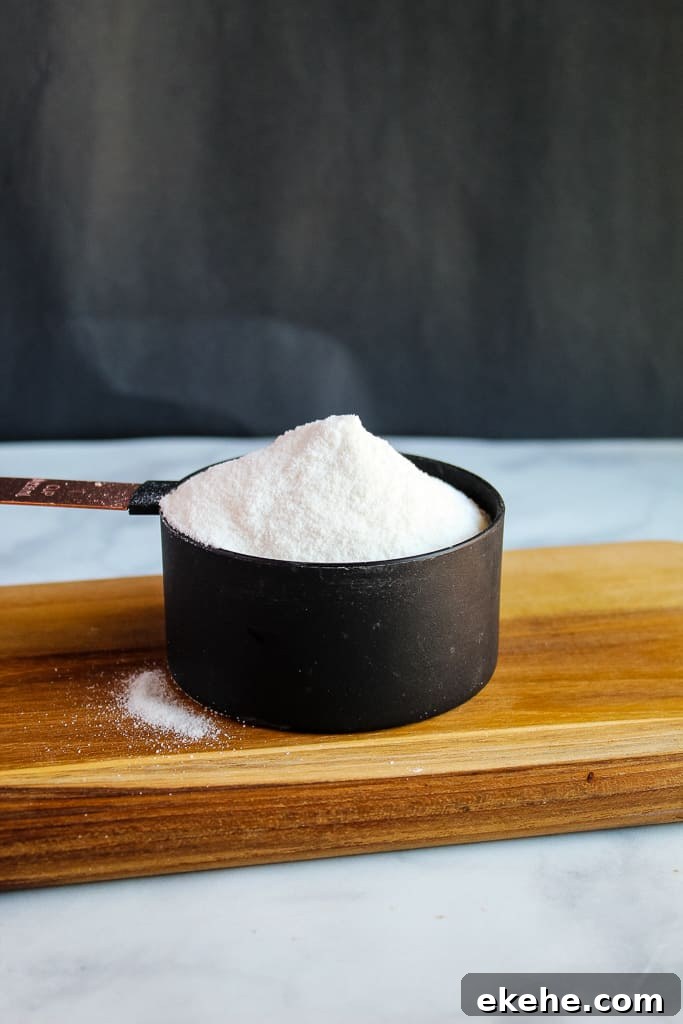
What flours are in your pantry right now? Almond flour? Coconut flour? Hemp flour? White rice flour is another essential to consider — a versatile, economical, and widely available gluten‑free baking staple. Its neutral flavor and fine texture make it an excellent choice for many gluten‑free recipes.
White rice flour is one of the foundational flours in gluten‑free baking. Learning how to use it is like an introductory course in gluten‑free baking techniques. Once you add white rice flour to your baking toolkit, you can improve outcomes like gummy textured loaves and progress to lighter, more tender breads and rolls.
Table of Contents
A Little about White Rice Flour
Rice is a global staple and a primary crop in many regions. White rice flour is produced by grinding long‑ or medium‑grain white rice into a fine powder. Because it is milled from the same rice you likely keep in the pantry, it’s easy to find and is commonly stocked in grocery stores and Asian markets.
Nutrition‑wise, white rice flour is high in carbohydrates and relatively low in protein and fat. A one‑cup serving contains a significant calorie and carbohydrate count compared with many other flours, which places it on the higher end of the carb scale among gluten‑free flours. Despite that, its functional properties — neutral taste, fine texture and good shelf life — make it indispensable in gluten‑free baking blends and recipes.
Tips for Using White Rice Flour
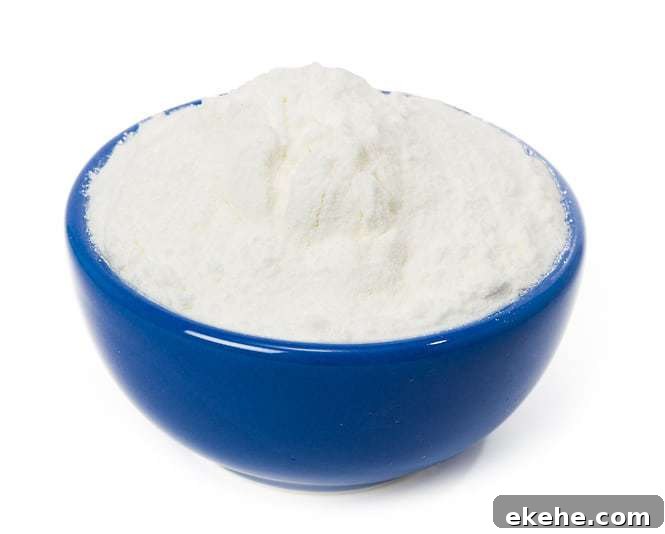
- Neutral flavor: White rice flour is virtually tasteless, so it won’t compete with the other flavors in cakes, cookies, or breads.
- Long shelf life: Stored in an airtight container in the refrigerator or freezer, it keeps well for extended periods.
- Light texture: It produces lighter, less dense baked goods than heavier flours like brown rice or almond flour.
- Low protein content: Because it’s very starchy and low in protein, it tends to absorb moisture. Balance this by blending it with other flours and starches in recipes.
- Watch for grittiness: Choose a fine‑ground white rice flour to reduce any gritty texture, and use it in combination with other flours and starches when possible.
- Easy to find: White rice flour is commonly available in the gluten‑free section of many supermarkets and at Asian grocery stores.
- Thickening agent: Use it to thicken sauces, gravies, or soups as a gluten‑free substitute for all‑purpose flour.
- Blend for best results: Most gluten‑free baking recipes call for a mix of flours and starches rather than 100% rice flour. Blends help improve structure, texture, and moisture balance.
- Lower in nutrients: Compared with nut flours like almond or coconut flour, white rice flour is primarily starch and provides fewer nutrients beyond carbohydrates.
- Bring ingredients to room temperature: For best bread results, let flours and other ingredients sit at room temperature before mixing.
- Great for rolls: Rice‑flour‑based gluten‑free rolls can turn out tender and delicious when formulated correctly.
- Measure properly: Spoon the flour into the measuring cup and level it off. Accurate measuring matters more with gluten‑free flours.
- Affordable option: White rice flour is among the most economical gluten‑free flours.
- Nonfat dry milk: Some mixes include nonfat dry milk powder to add chewiness and a touch of protein; adjust if you need a dairy‑free option.
- Brand differences: Texture and performance can vary by brand, so pick a finely milled product that works well for your recipes.
- Substitutes: If you run out of white rice flour, sorghum flour can sometimes be used as a substitute, though it will change flavor and texture.
- Consistency of batters: Gluten‑free batters may look thinner or more batter‑like than traditional wheat batters — that’s normal. Avoid the temptation to over‑add flour.
Takeaways
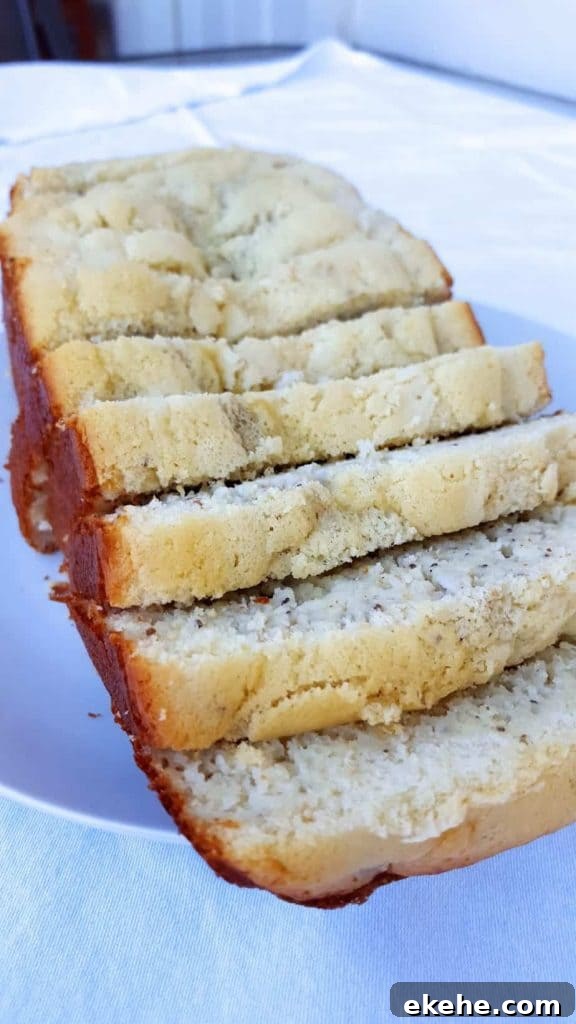
White rice flour is a key ingredient in gluten‑free baking. Its neutral taste, fine texture, and affordability make it a useful starch to include in flour blends. While it’s high in carbohydrates and lower in protein and nutrients than some alternatives, using it strategically in combination with other flours and starches yields reliable, pleasant results in cakes, cookies, rolls, and breads.
Next: Try a gluten‑free chocolate donut or another favorite recipe that highlights rice flour in a balanced blend.