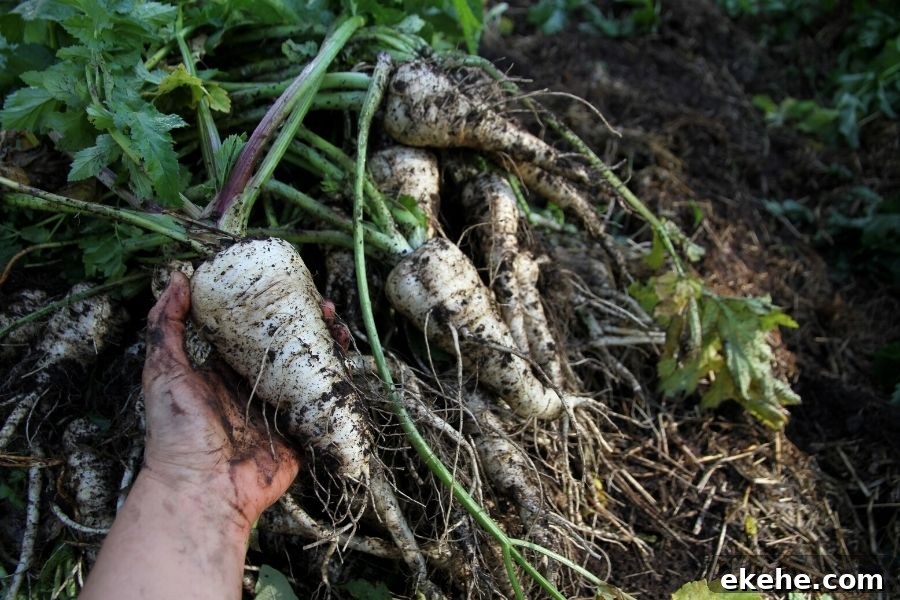
Learn how to harvest, prepare, and store root vegetables for winter without a root cellar. This straightforward method preserves garden vegetables without the need for canning, dehydrating, or other time-consuming techniques.
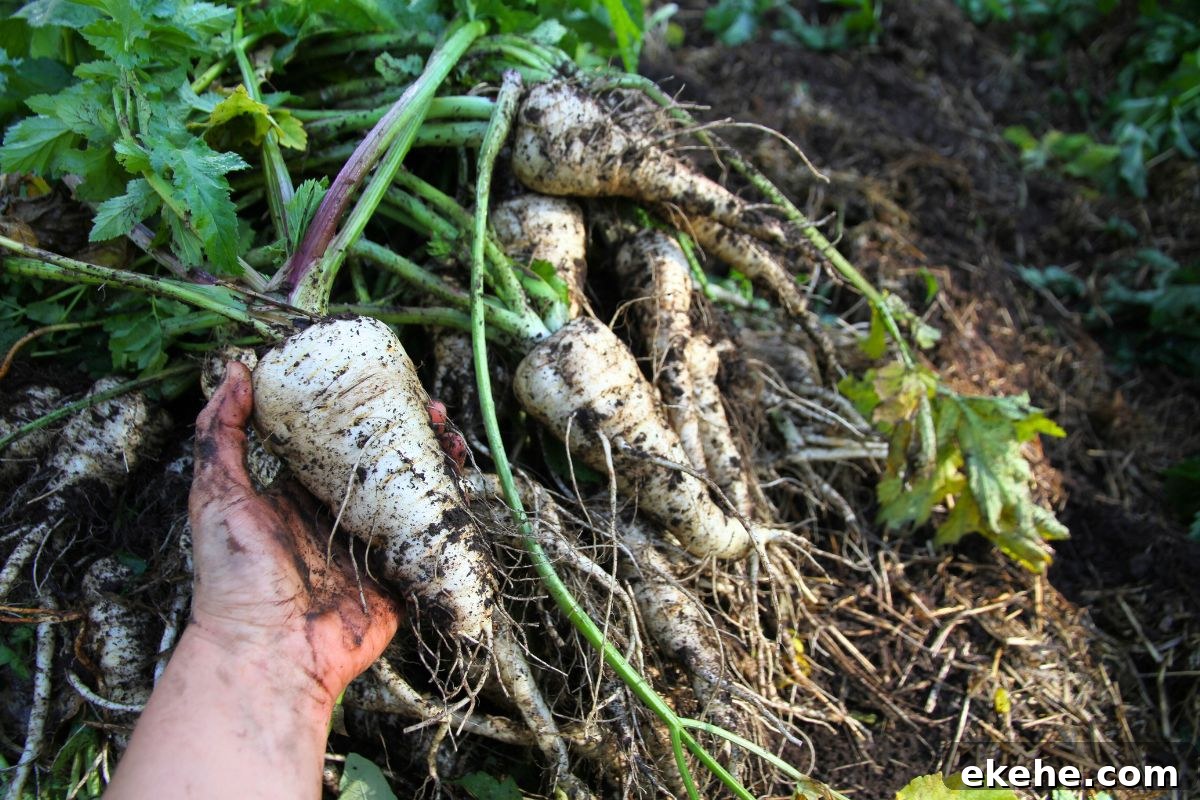
Root vegetables can be preserved in many ways. Carrots, for instance, can be dehydrated, fermented, pickled, canned, or lightly cooked and frozen. Each method works, but many require considerable time and effort.
If you want a faster, lower-effort approach, storing root vegetables whole for the winter is an excellent option. You don’t need a classic root cellar to keep your harvest; there are several practical alternatives that provide the right conditions for long-term storage.
Three Essentials for Storing Root Vegetables
Successful long-term storage depends on three conditions:
- Cold temperatures: Root vegetables last longest in cool conditions, ideally near freezing (around 32°F / 0°C).
- Moisture: A humid environment keeps roots firm and crisp. Too little moisture causes shriveling; too much causes rot.
- Darkness: Keep roots in the dark to prevent sprouting, which degrades texture and flavor.
Practical Storage Locations
A traditional root cellar is ideal, but here are several do-able alternatives for overwintering roots without one.
In Your Garden Beds
In mild-winter climates, leaving roots in the ground is simple and effective. Before the soil freezes, cover the bed with a deep layer of straw or leaves and protect it with a tarp to keep the area dry.
Weigh down the tarp edges to prevent wind from exposing the bed. Harvest individual roots as needed by removing the tarp and digging them out, then replace the cover immediately.
Be mindful of wildlife: if you forget to cover the bed, animals like deer can find and eat exposed roots. Proper covering protects both the crop and your effort.
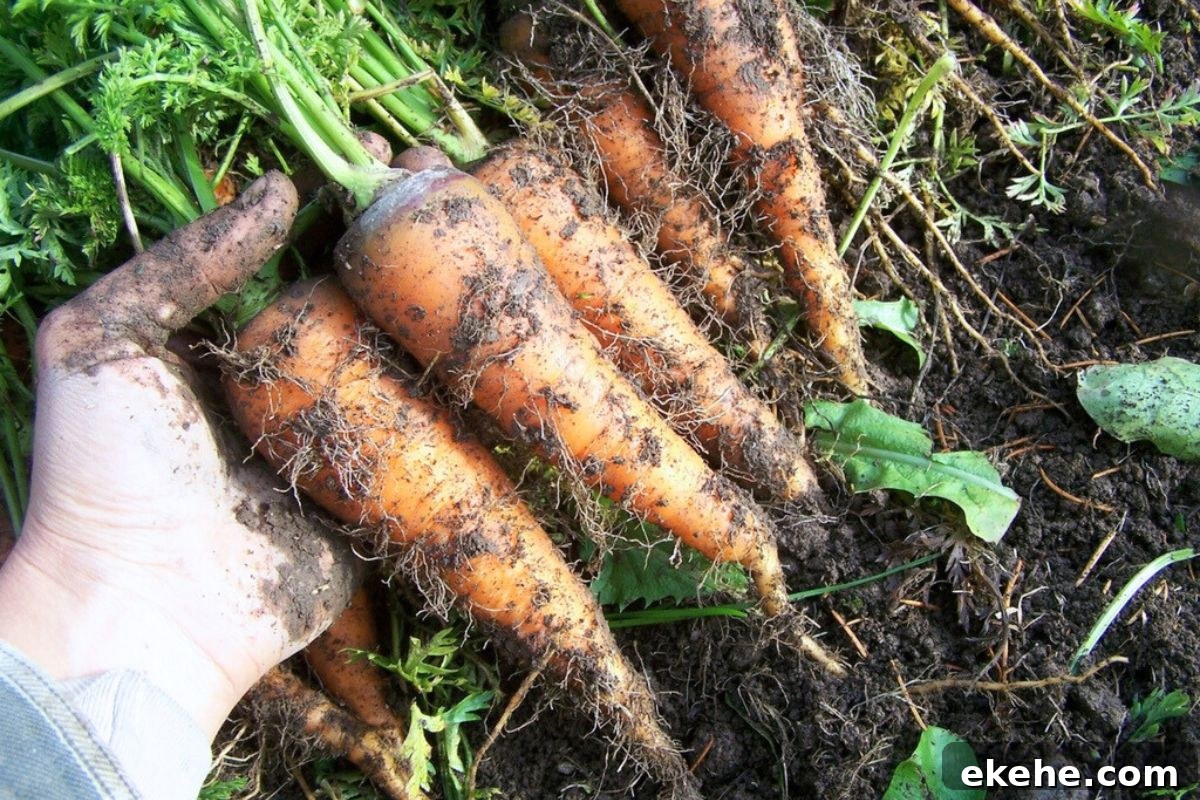
Cons: Rodents may nest under dry covers, and you must be willing to go out into mud or snow periodically to harvest.
Root Clamp
A root clamp is a simple, improvised mini-root-cellar. Dig a shallow pit at the garden edge, place your vegetables inside, and insulate with dry straw or leaves. Heap soil on top to further protect against temperature swings.
In wet regions use a tarp or plastic to prevent excessive moisture; in very cold areas add extra straw or soil before tarping to protect against deep freezes.
Cons: Rodents can sometimes access clamps (lining with wire mesh helps), and repeatedly bending into a pit to retrieve vegetables can strain your back.
Basement Cold Room
An unheated corner of a basement with a concrete floor can function well as a cold room. A window or vent can be opened in shoulder seasons to bring in cold air and closed during severe freezes. Temperatures will likely fluctuate more than in a true root cellar, but many roots tolerate this without problems.
Cons: Spring warming may force you to use stored produce earlier than in a deeper cellar, and bins of dirty vegetables can make a mess that needs occasional cleanup.
North-Facing Room
A north-facing, insulated room with an unheated concrete floor makes an excellent cold storage space. This can be created in a basement, garage, shop, or as a lean-to on the house. A small window or vent helps regulate temperature. Layering roots in bins of moist soil, peat moss, or burlap sacks keeps them through winter months.
Root Crops That Store Well
Many root crops keep well when protected from excess moisture, deep freezing, and rodents. Common long-term storage candidates include:
- Beets
- Carrots
- Celeriac
- Parsnips
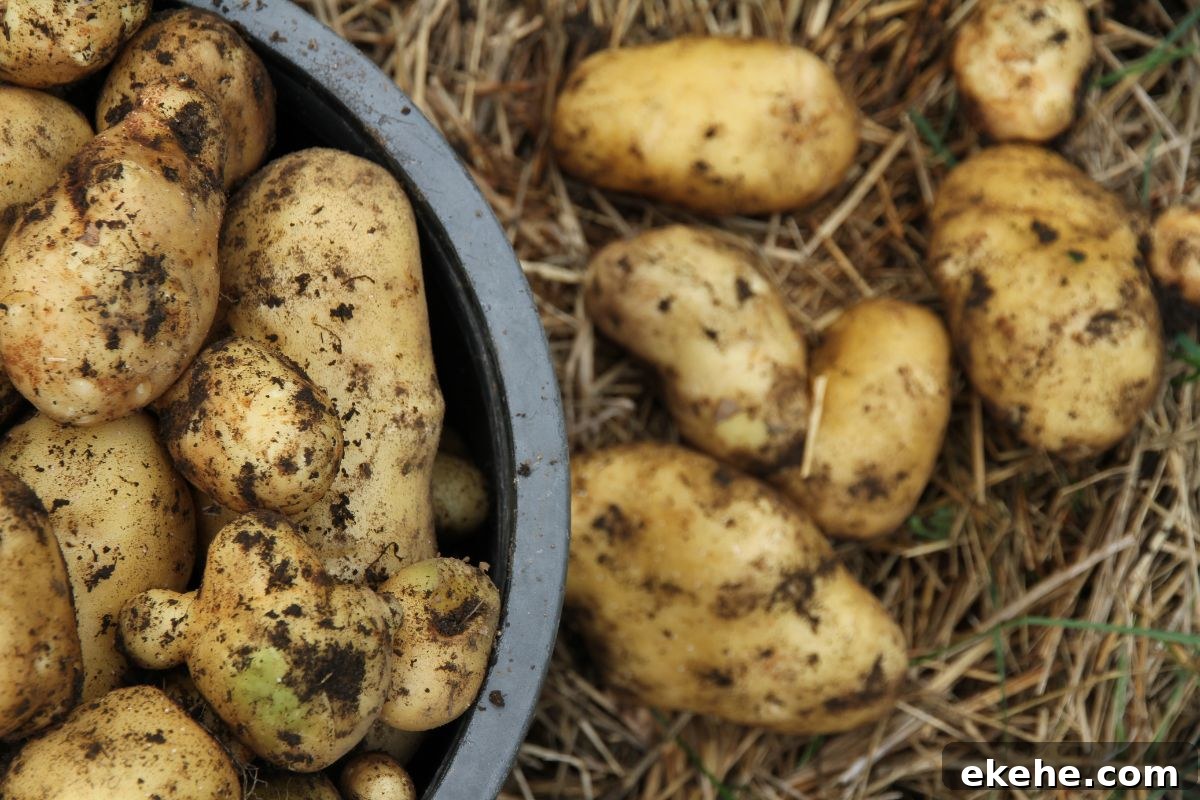
- Potatoes (a tuber, stored slightly differently)
- Rutabaga
- Salsify
- Turnips
- Winter radishes
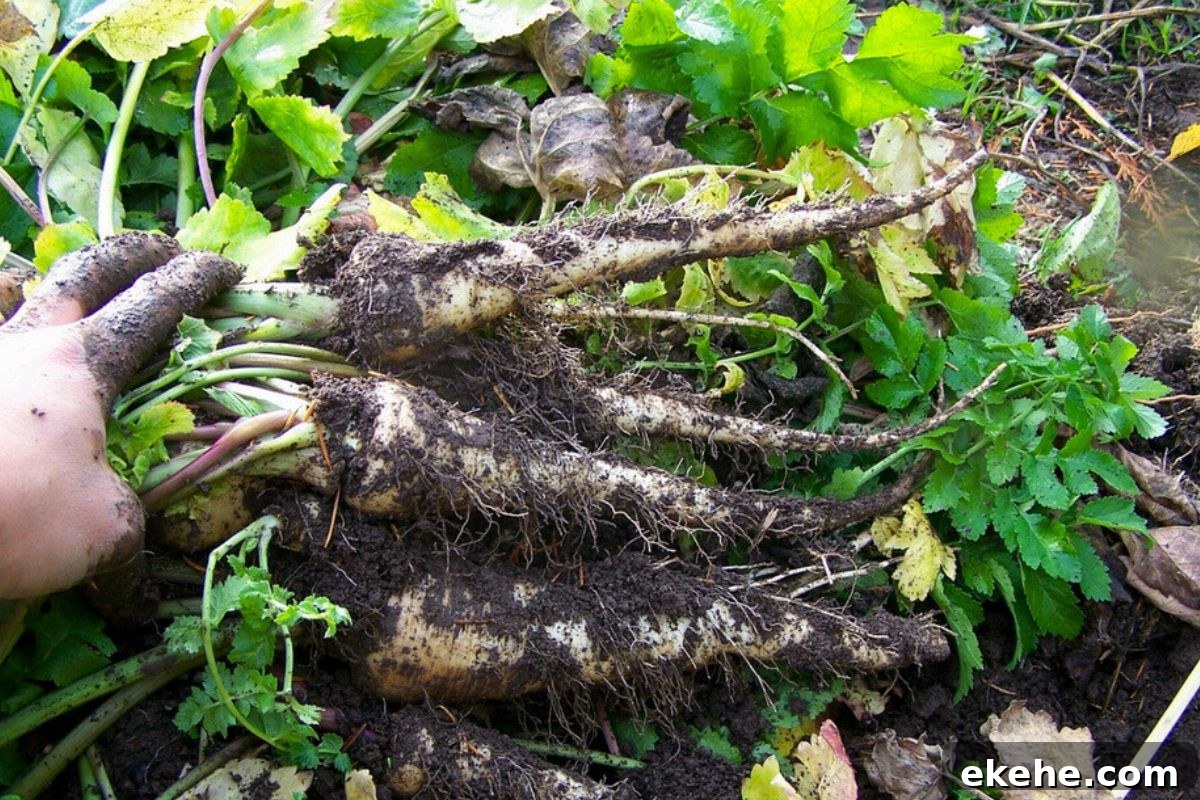
Note: Alliums like onions, garlic, and shallots are bulbs rather than roots. They prefer a dry storage environment and can deteriorate faster in the cold, humid conditions that benefit root vegetables.
For guidance on crops that prefer dry storage, consult resources dedicated to garlic, onions, and winter squash curing and storing.
Choosing Varieties for Storage
When planning to store your own root vegetables, select varieties labeled as “winter keepers” or “storage varieties.” Many heirloom varieties were bred for long-term storage and perform especially well.
How to Store Fresh Root Vegetables
Step 1: Harvest at the Right Time
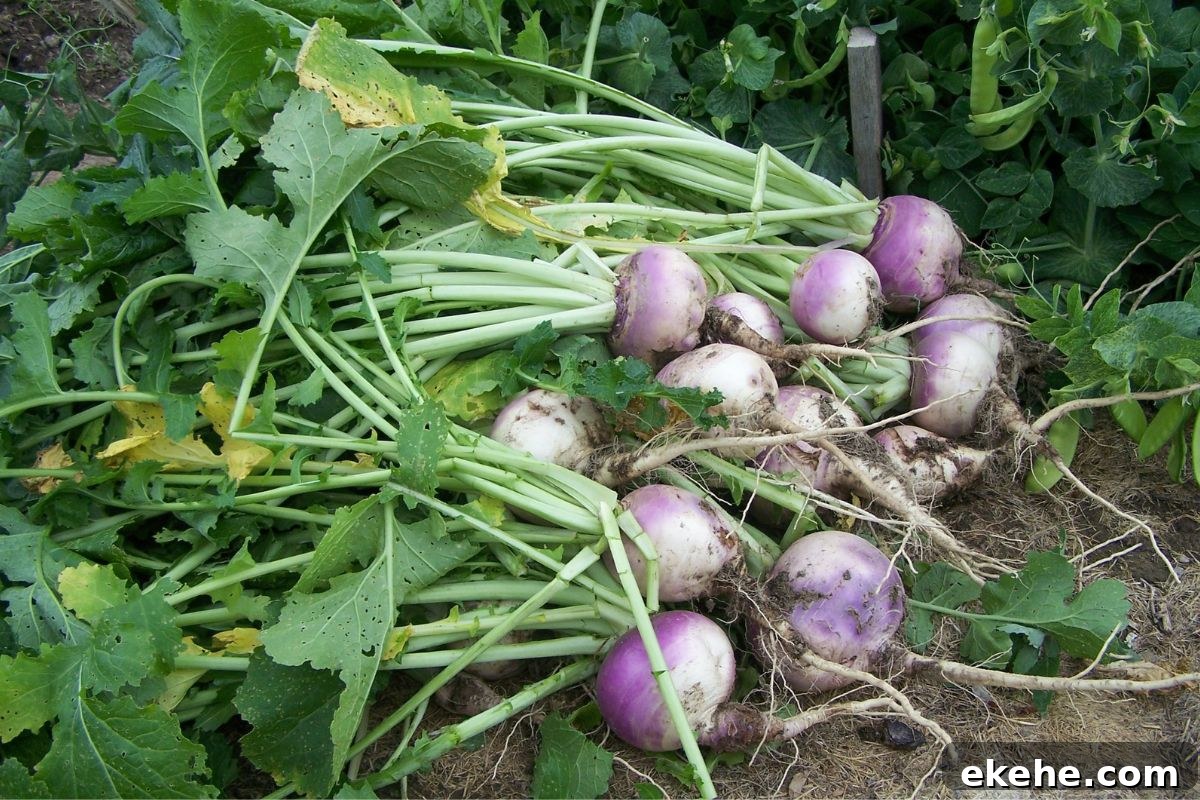
Timing matters. Many root crops handle light frost, but harvest beets, potatoes, and turnips before heavy freezes. Parsnips and carrots can improve after frost, so gardeners sometimes leave them in the ground until later—just don’t let the root flesh freeze.
Most roots go straight from garden to storage. Potatoes are an exception: they should be cured at room temperature for a time before being placed into long-term storage.
For potato-specific guidance, look for resources on curing and storing potatoes for winter.
Step 2: Remove Leafy Greens
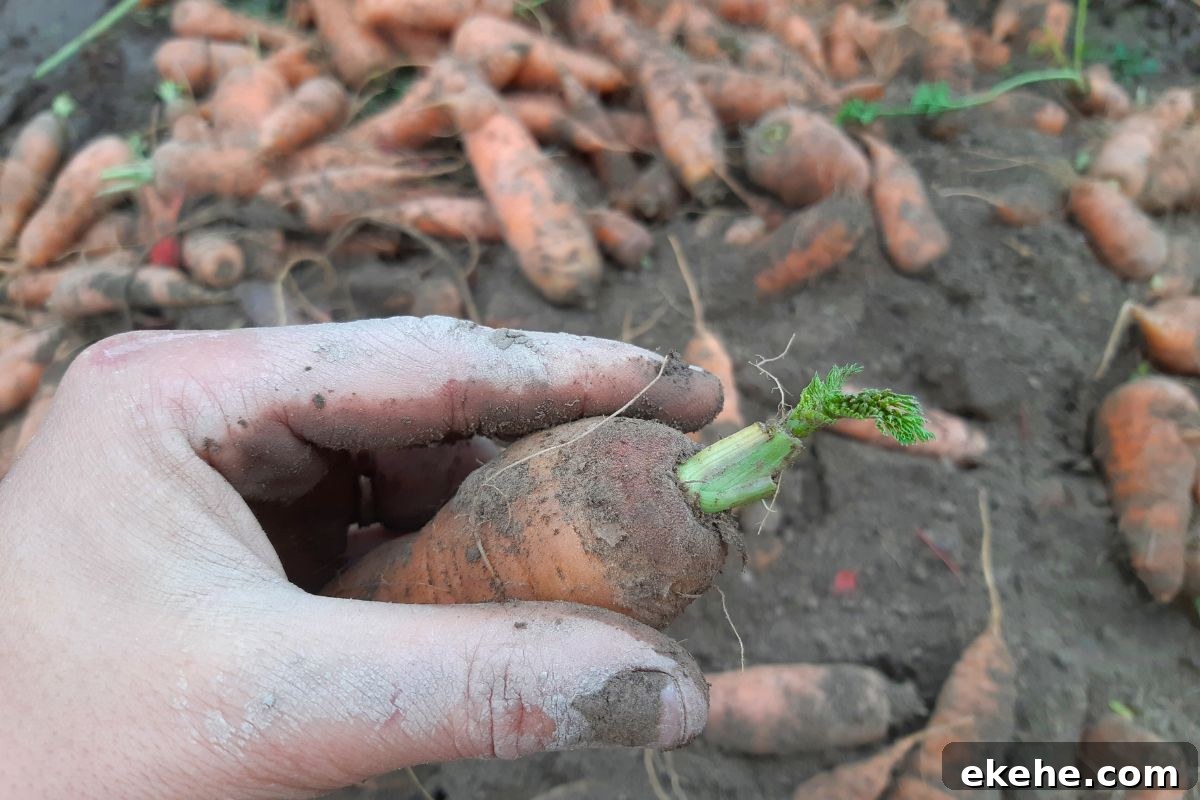
Trim green tops within an inch of the root before storage. Leaving foliage attached introduces moisture and can lead to decay that will spoil the rest of the stored crop. Don’t bother washing roots before storing—soil helps protect them and is expected when they’re removed from storage.
Step 3: Set Damaged or Immature Roots Aside
Only store fully mature, undamaged roots. Immature or damaged vegetables should be used right away. Look for worm holes, scabs, cracks, cuts, or snapped roots—remove these so decay won’t spread. Undersized or blemished items can be refrigerated and eaten first.
Step 4: Put Root Vegetables into Storage
After harvest and trimming, place roots into your chosen storage method.
In the Clamp
Arrange roots in the pit directly on the soil or inside bins. Insulate with straw or leaves and protect the top so rain doesn’t saturate the clamp.
In the Cold Room
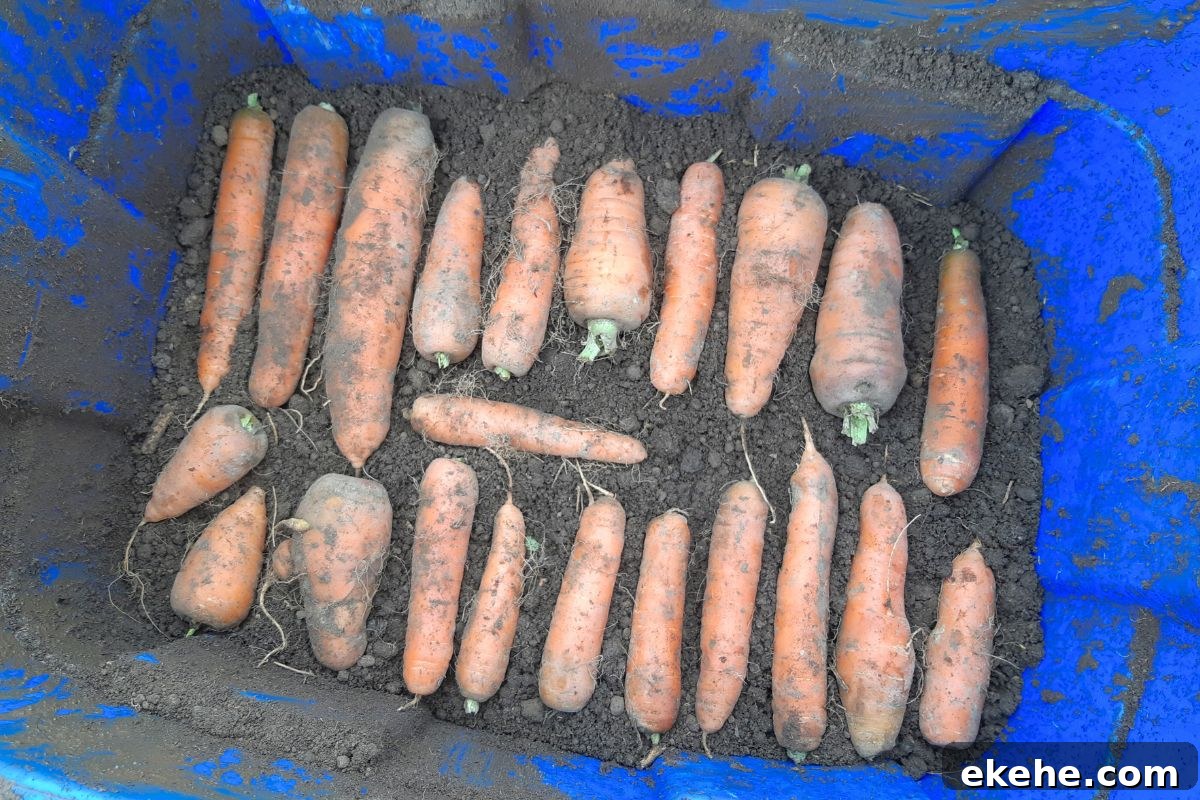
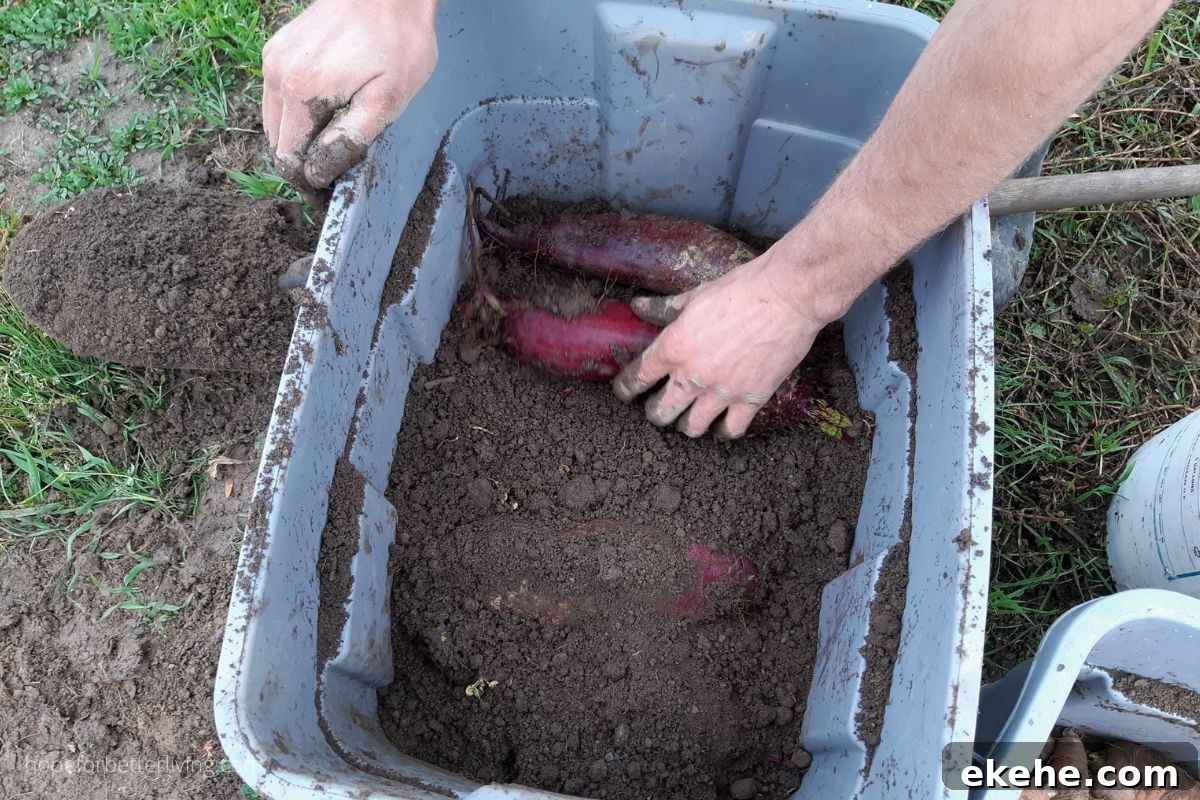
Layering roots in damp sand, peat moss, or clean soil extends storage life. Avoid saturated soil that promotes rot.
To test soil moisture, squeeze a handful into a log. If it holds together but breaks when poked, moisture is good. If it falls apart immediately it’s too dry; if it won’t break, it’s too wet.
Layering method for bins or totes:
- Place a 1–2 inch layer of soil in the bin.
- Add a single layer of roots with space between each piece.
- Cover with 1–2 inches of soil and add another single layer.
- Finish with 3–4 inches of soil before storing the bin in your cold space.
Helpful tip: fill bins only three-quarters full so they’re manageable and you can dig out roots without spilling soil.
Step 5: Use Roots and Watch for Decay
Use stored roots as needed, starting with any items you set aside for immediate use. Inspect bins periodically; if a root feels soft or squishy, remove it and the surrounding soil to stop rot from spreading.
Common Questions
Can I store root vegetables without a basement or cold room?
Yes. The essentials are cool temperatures (ideally 30–40°F / 0–5°C) and protection from freezing. People successfully overwinter roots in crawl spaces, inside shallow clamps in hoop houses, under leaf piles in the garden, on pump house floors, or under barn floors.
Should I use wood or cardboard boxes?
Plastic totes or metal bins are preferred because they resist mold and deterioration when holding moist soil. Use sturdy containers that are easy to move.
Should potatoes be stored in moist soil?
Potatoes generally do not need moist soil in many climates. They store well in sacks or bins after proper curing. Potatoes are tubers and are handled differently from true roots.
What if my winters aren’t ideal?
In mild climates average around 50°F (10°C), leaving roots in a covered garden bed often works best. In warm-winter regions, consider an upright refrigerator or a small walk-in cooler.
Why do roots go rubbery and floppy?
Common causes include harvesting immature roots, storage temperatures that are too warm, or insufficient humidity. Often a lack of moisture is the issue—carrots especially can go limp if the environment is too dry.
With a little planning and the right conditions—cool temperatures, humidity, and darkness—you can keep a wide variety of root vegetables fresh throughout the winter without a formal root cellar.