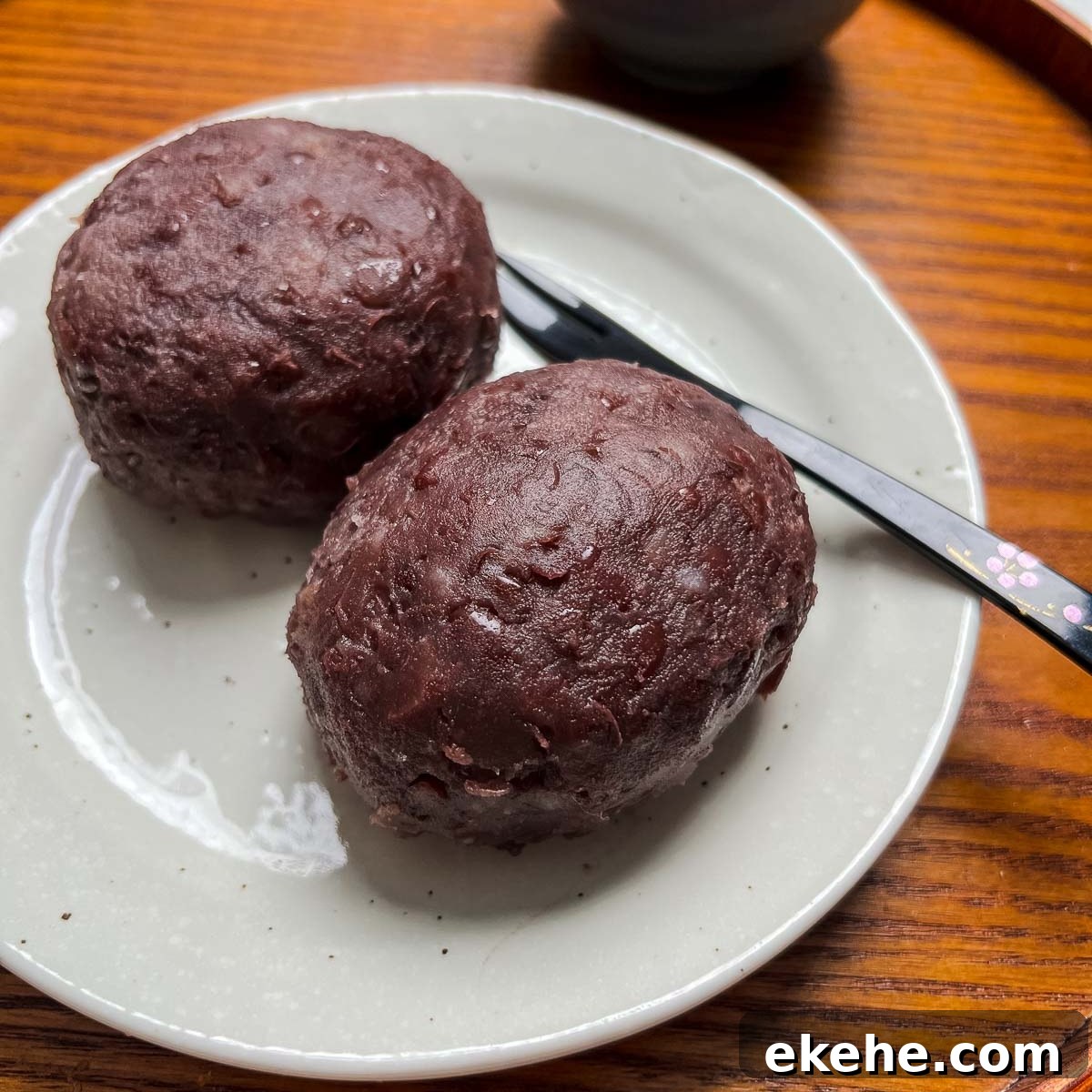
Ohagi (Botamochi) is a traditional Japanese sweet eaten in autumn and spring. It’s made by lightly mashing steamed glutinous rice and coating it with sweet red bean paste.
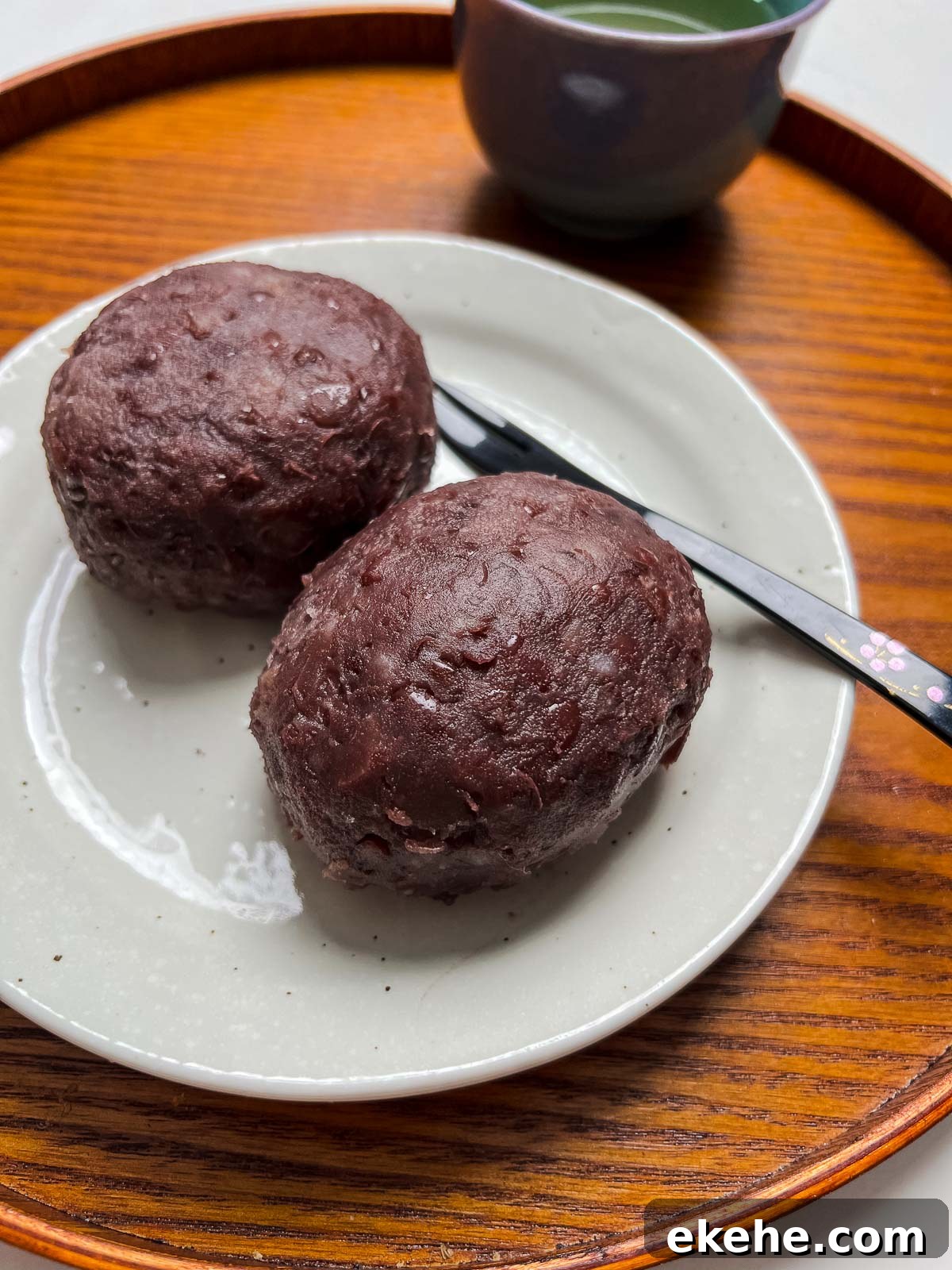
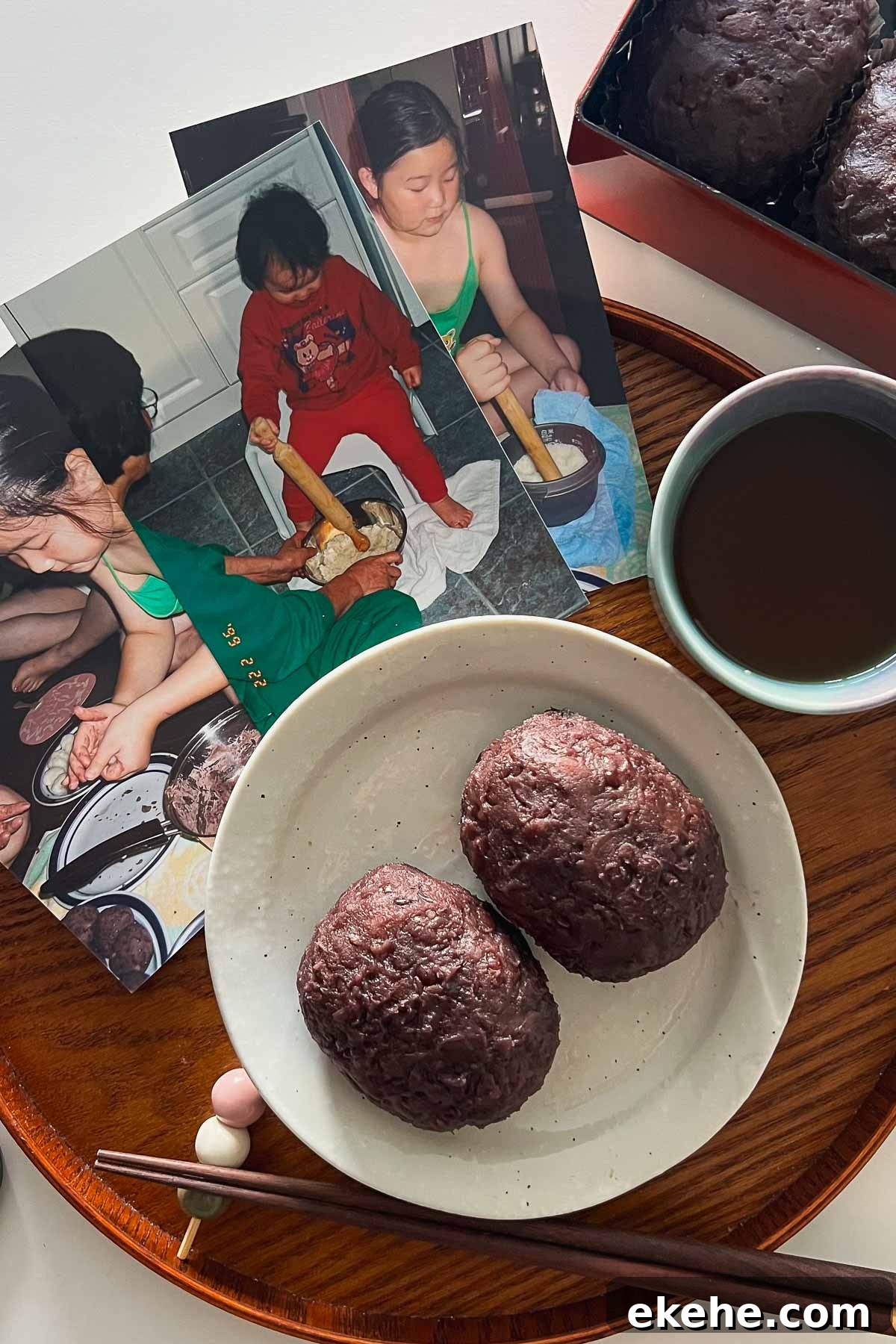
Ohagi was the first thing I learned to make with my grandmother and we prepared it together every year when I visited Japan as a child. It’s a simple, comforting treat that carries family memories, so I make it at least twice a year. I’m excited to share this ohagi recipe with you.
I also started a new YouTube series called A Taste of Nostalgia to share foods from my Japanese, Chinese and Canadian heritage. Ohagi is the first episode; watch there if you prefer a visual guide.
Table of Contents
- What is Ohagi (Botamochi)?
- What is the difference between Ohagi and Botamochi?
- Cultural Significance
- Ingredients
- How to Make Ohagi (Botamochi)
- Sweet Rice Ball Variations
- Where to Find Ohagi in Japan
- Recipe Tips
- How to Store Ohagi
- Ohagi (Japanese Sweet Rice Balls) おはぎ Recipe
What is Ohagi (Botamochi)?
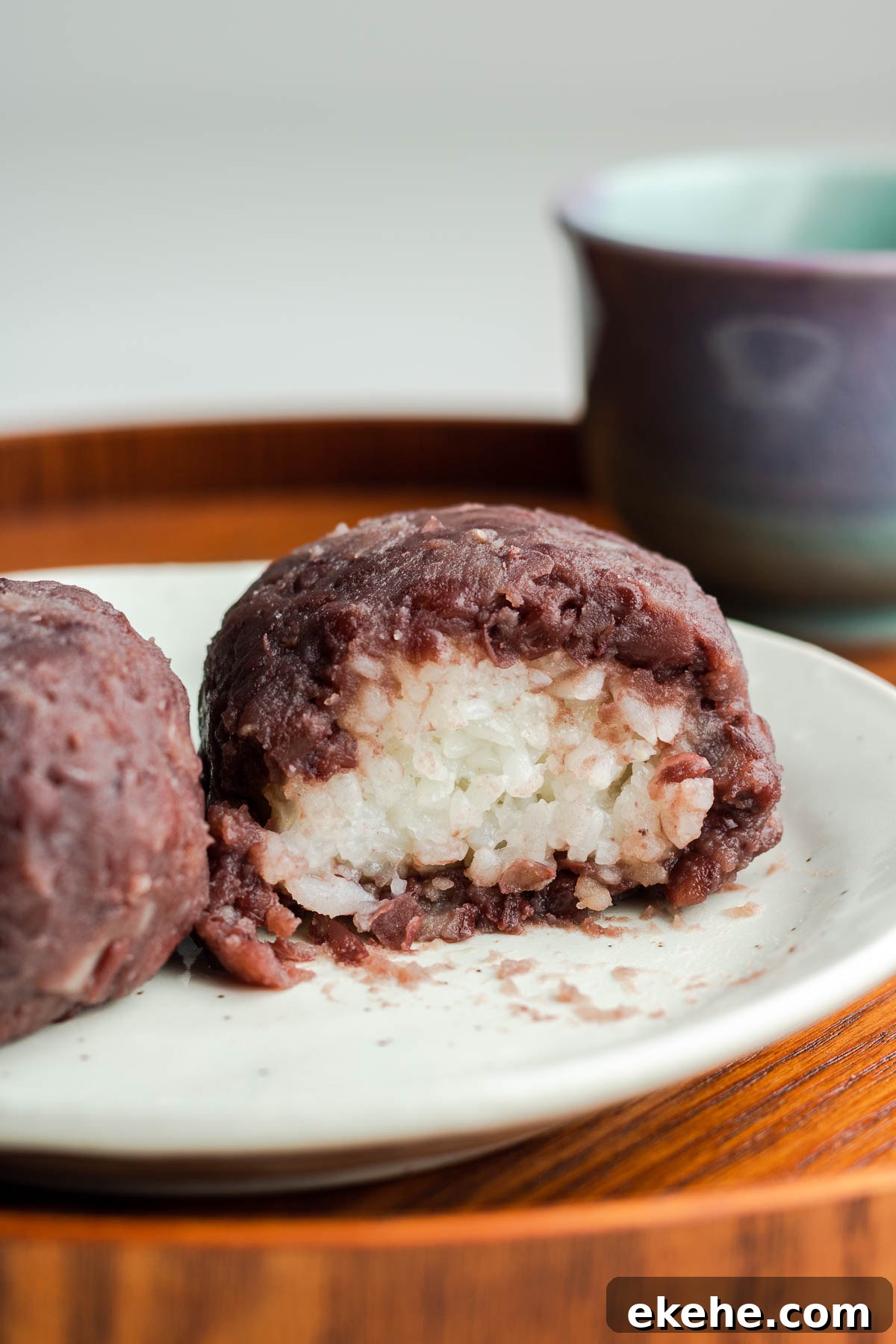
Ohagi, or botamochi, is a classic Japanese confection made from glutinous rice and sweet bean paste (anko). The cooked rice is lightly pounded, shaped into ovals and wrapped in anko. While sweet red bean paste is most common, regional and historical variations include white bean paste (shiro-an), kinako (roasted soybean flour), black sesame and aonori (green laver). Modern versions use a wide range of seasonal flavors and textures.
Ohagi is closely tied to Ohigan (お彼岸), the Buddhist observance during the spring and autumn equinoxes, and is enjoyed both as a treat and as an offering.
What is the difference between Ohagi and Botamochi?
The name changes with the season: in autumn they are called ohagi (after the bush clover, hagi) and in spring they are called botamochi (after the peony, botan). Traditionally the texture of the red bean paste also differed—fresh autumn beans often yielded a chunkier paste (tsubu-an), while spring beans produced a smoother paste (koshi-an)—but modern processing makes all types available year-round.
Cultural Significance
Ohagi plays an important role in Japanese seasonal and family traditions. During Ohigan, families visit graves to honor ancestors and often prepare ohagi as offerings. The sticky rice is thought to nourish spirits, while the round or oval shape symbolizes life’s cyclical nature. Making ohagi is a multigenerational activity that preserves recipes and strengthens family bonds.
Ingredients
Basic ingredients for ohagi:
- Japanese glutinous rice (mochigome): Use Japanese glutinous rice for authentic flavor and texture. Optionally substitute 20–25% with Japanese short-grain rice to keep the rice softer for longer.
- Anko (sweet bean paste): Choose tsubushian (coarsely mashed), tsubuan (chunky) or koshian (smooth). I prefer tsubushian for ohagi.
Sugar and a pinch of salt are optional but recommended to enhance flavor and help maintain rice texture.
How to Make Ohagi (Botamochi)
The process is straightforward, though preparing homemade anko takes time. The basic steps are:
- Cook the rice: Rinse, soak and cook the glutinous rice.
- Pound the rice: Lightly pound the cooked rice to your preferred texture.
- Shape and wrap: Shape rice into ovals and coat with anko.
Sweet Rice Ball Variations
Regional preferences shape ohagi varieties: Kanto tends to favor bold flavors like sesame and kinako, Kansai prefers lighter tastes or seaweed, Kyoto features matcha white bean paste, and parts of Tohoku use mashed edamame or fava bean pastes. Contemporary shops often offer colorful, modern variations aimed at younger customers, using seasonal fruits, matcha and other creative fillings.
Where to find Ohagi in Japan
Notable places known for ohagi, from traditional to modern:
Traditional (anko-based)
- Saichi – Sendai
- Kanmi-Okame – Tokyo
- Kasho Akane – Tokyo
- Sentaro Head Shop – Kyoto
- Imanishiken – Kyoto
- Gyokuseiya – Osaka
- Miyoshino – Ehime
Modern (seasonal and aesthetic)
- Takeno To Ohagi – Tokyo
- OHAGI3 – Nagoya / Tokyo / Hiroshima / Miyagi
- Mori no Ohagi – Osaka
- Masuda Ohagi – Sapporo
Recipe Tips
- Glutinous rice vs. short grain: For freshest ohagi eat soon after making with 100% glutinous rice. To store longer, replace 20–25% with short-grain rice for a softer texture over time. Adding a little sugar and salt helps texture retention.
- Make anko ahead: Prepare the sweet bean paste a day before to make molding easier; chilled paste firms up and is simpler to work with.
- Pounding rice: Light pounding preserves chewiness. For pure glutinous rice pound only about 1/4–1/3; if mixing short-grain rice, pound around half for a chewier result.
- Shaping: Wet your hands lightly to prevent sticking. It’s easiest when the anko is chilled and the rice is still warm.
- Use plastic wrap: Wrapping the paste on cling film makes coating neater and more even.
How to Store Ohagi
Ohagi are best the day they’re made. Store in a cool place for up to 24 hours; avoid refrigeration because cold temperatures make the rice hard. For longer storage, wrap tightly in cling film and freeze for up to one month. Thaw in the refrigerator overnight or warm gently in the microwave before serving. Warm ohagi are especially pleasant in cooler months.
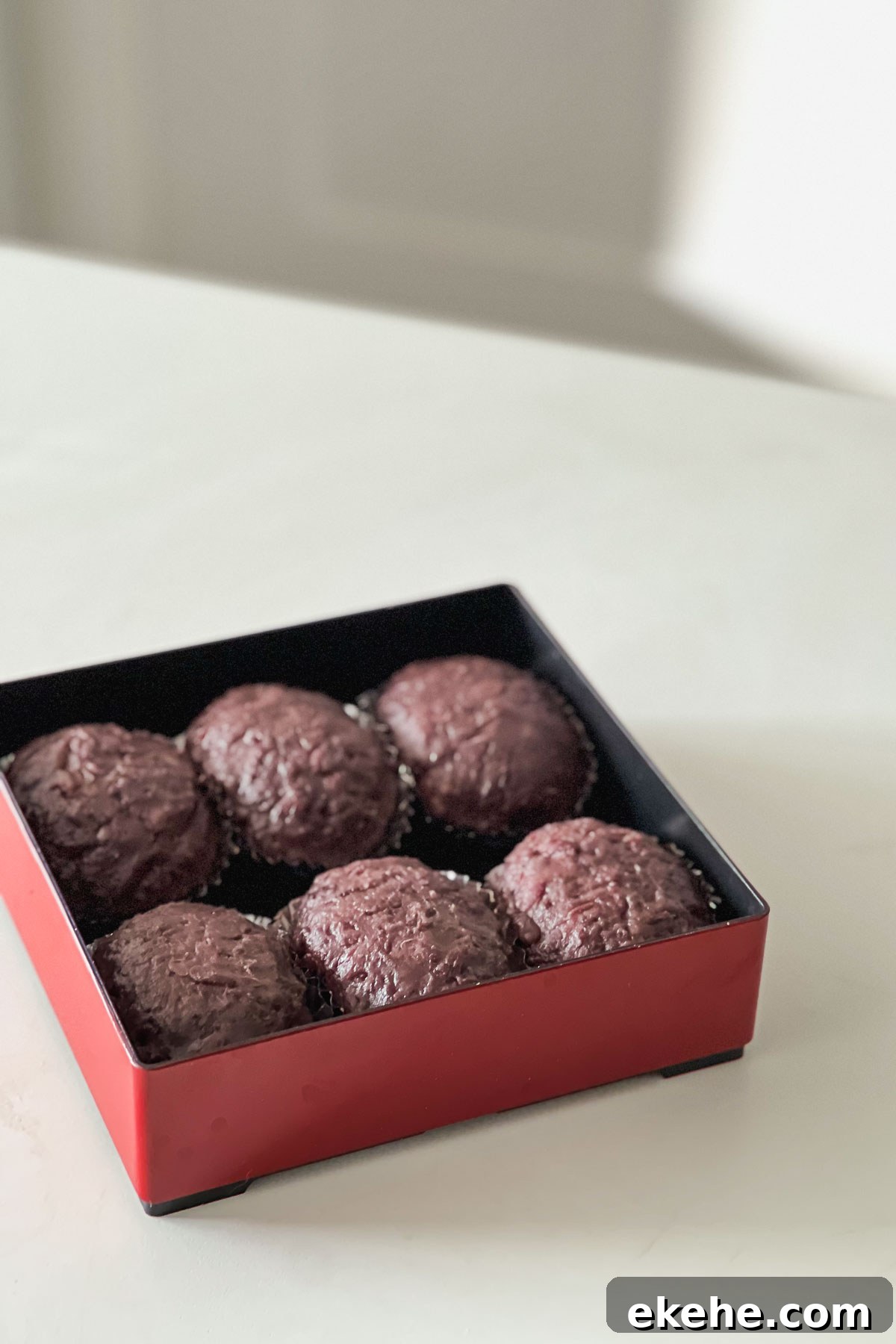
Enjoy making ohagi! If you try this Ohagi (Botamochi) recipe, leave a comment or rating. If you share your photos on social media, tag @Okonomikitchen — I’d love to see them.

Ohagi (Japanese Sweet Rice Balls) おはぎ
No reviews
- Author: Lisa Kitahara
- Total Time: 2 hours
- Yield: 12 servings
- Diet: Vegan
Description
Ohagi (Botamochi) is a traditional Japanese sweet made by lightly mashing glutinous rice and coating it with sweet red bean paste. It’s commonly enjoyed during the spring and autumn equinoxes.
Ingredients
- 1 1/3 cup (300 g) Japanese glutinous rice*
- 2–3 tsp sugar (optional)
- 1/8 tsp salt (optional)
- 2 cups (about 900 g) anko (sweet bean paste) — choose tsubushian, tsubuan or koshian**
Instructions
- Prepare the rice: Rinse the rice, add water and soak for 30 minutes.
- Cook the rice: Use the sweet rice setting on your rice cooker or cook with a 1:1 soaked rice-to-water ratio. Add sugar and salt if using. After cooking let the rice rest 10 minutes before opening.
- Pound the rice: Transfer rice to a bowl and lightly pound with a wooden stick or rolling pin until the texture is to your liking — about one-third of the grains mashed for pure glutinous rice, or half if mixed with short-grain rice.
- Portion the rice: Wet your hands and scoop 30–50 g of rice, shaping into small ovals. Keep shaped rice covered with a damp towel to prevent drying.
- Shape ohagi: Place about 75 g anko on cling film, add a rice ball in the center, and wrap the anko around the rice. Smooth and unroll onto a plate or cup. Repeat with remaining portions. A 40% rice to 60% anko ratio is a good guideline.
- Serve: Serve at room temperature with green tea.
Notes
- *2 rice-cooker cups ≈ 1 1/3 US cups.
- *You can substitute 20–25% of glutinous rice with Japanese short-grain rice if desired.
- **About 250 g dry adzuki beans makes enough anko for 12 servings (rice portions ≈50 g each).
- To store: Keep ohagi in a cool place up to 24 hours. Do not refrigerate—refrigeration hardens the rice. For longer storage, freeze wrapped ohagi for up to one month; defrost in the refrigerator overnight or warm before serving.
- Prep Time: 60 minutes
- Cook Time: 60 minutes
- Category: Dessert
- Method: Stove Top / Rice Cooker
- Cuisine: Japanese