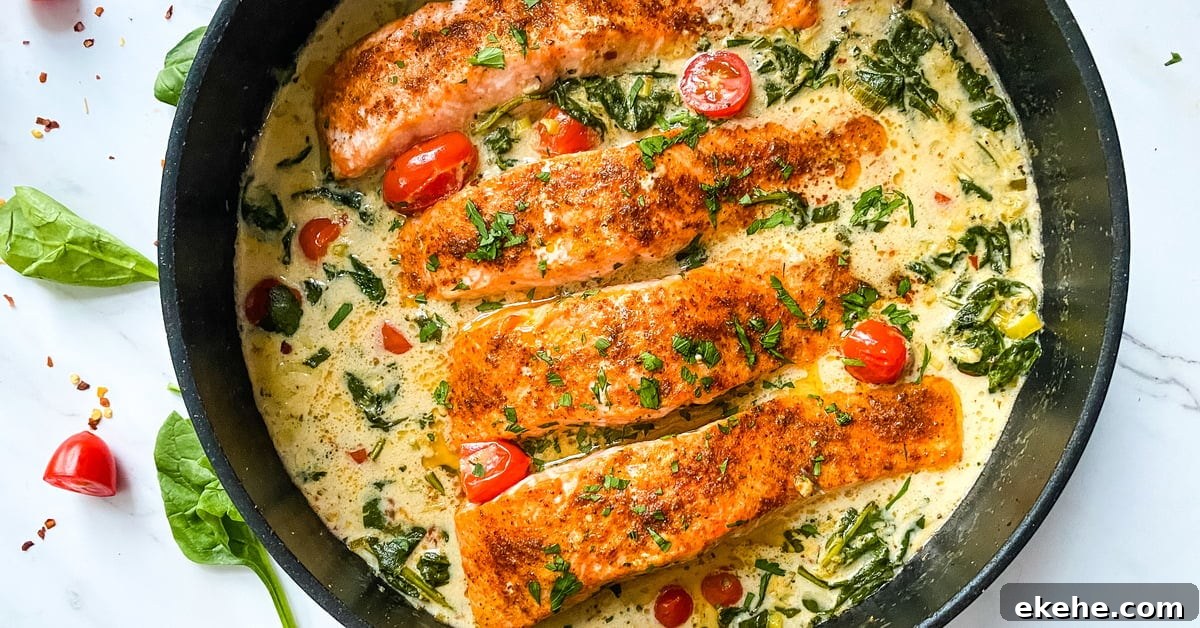
What’s it like to be a personal chef? Here’s a look at one of my days cooking for a client family, the menu I prepared, and a favorite recipe: Baked Salmon with Coconut Milk and Spinach Sauce.
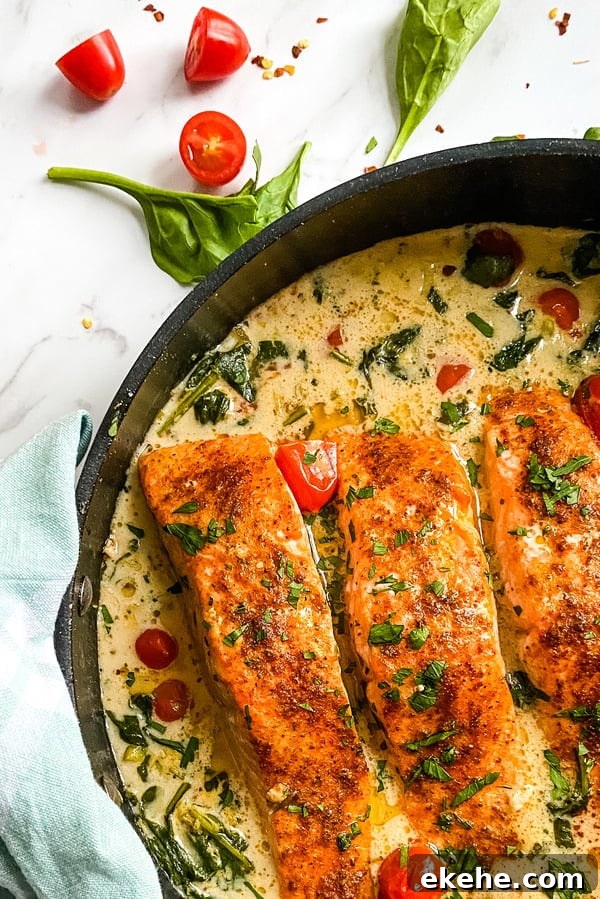
Hello friends! I’m switching things up from my usual single recipe post to share what a personal chef visit looks like. I get asked a lot about my personal chef service, so here’s a practical peek into how I plan, shop, cook, and package meals for client families.
Over the past 14 years, amycaseycooks has prepared meals for more than 100 families, handling a wide range of dietary needs: paleo, gluten-free, keto, low-fat, low-salt, nut-free, low-carb, grain-free, and others. I cook for clients weekly or every other week and typically prepare 2 to 5 meals per visit. A meal usually includes an entrée and a side dish.
What to expect from a personal chef
Each family has unique preferences, but the service follows a consistent process:
- Interview the client to learn taste preferences and dietary restrictions
- Design a tailored menu
- Grocery shop for all ingredients
- Work in the client’s kitchen to prepare meals
- Cook and assemble all dishes
- Package meals as individual or family-style portions
- Store meals in the refrigerator or freezer
- Clean up the kitchen completely, including dishes
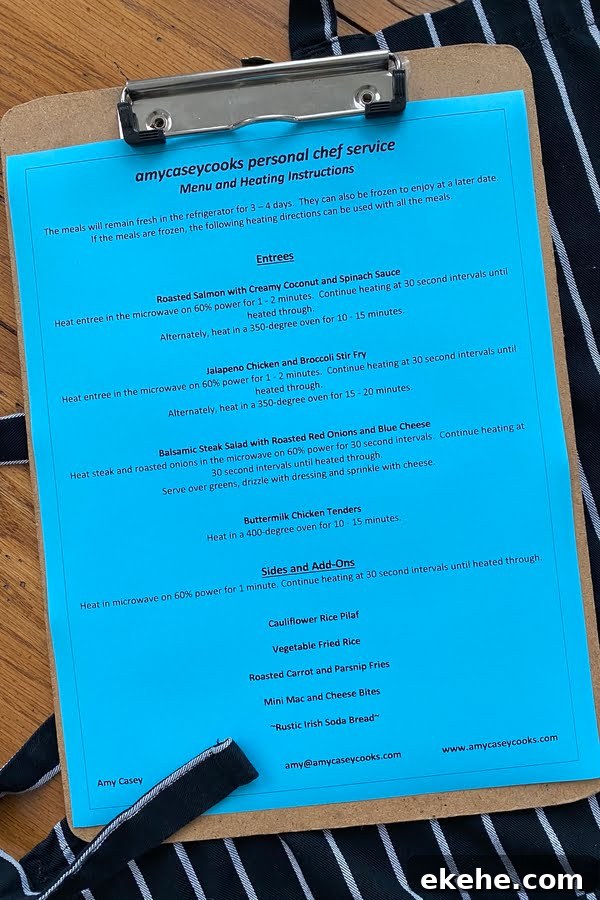
- Leave a printed menu with reheating instructions
What is a personal chef service?
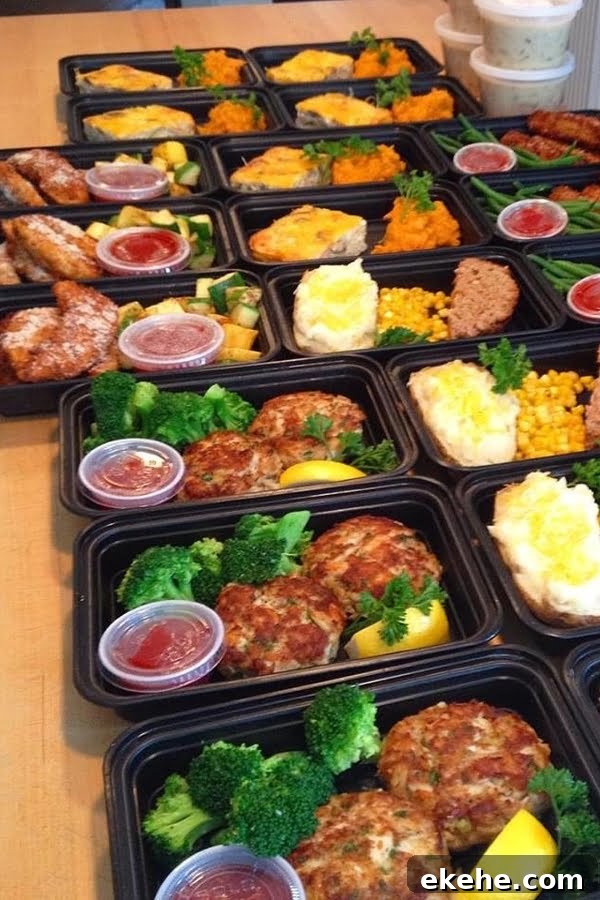
This photo shows a recent menu I planned, shopped for, cooked, and packaged. I love the variety my work allows—every menu is different. For one weekly client I didn’t repeat a recipe for over nine months, which amounted to more than 150 unique dishes.
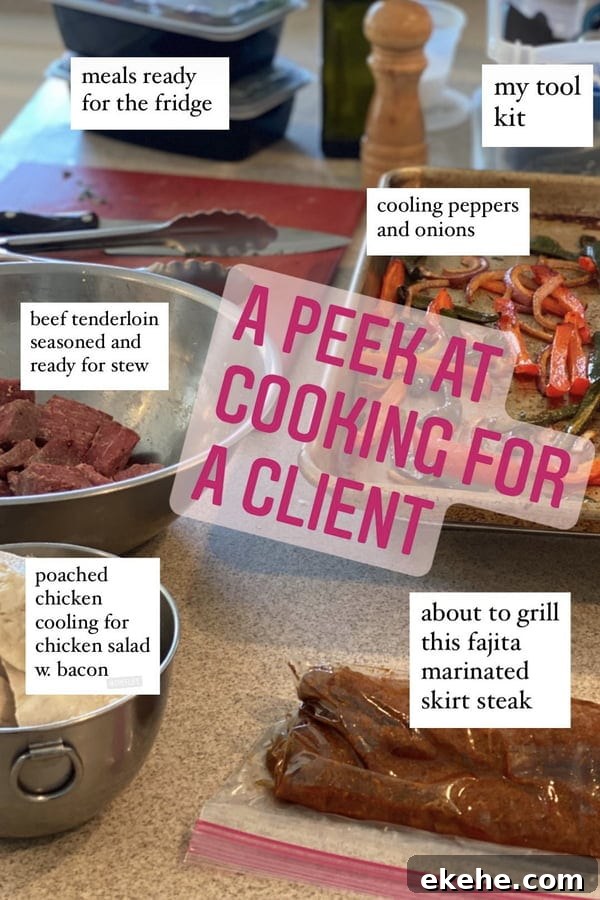
During an in-home cook day I often have several dishes underway at once. For example, while salmon roasts in the oven I might prepare chicken for a stir-fry and simmer rice for a fried-rice side. Combining oven and stovetop work keeps the day efficient and organized.
Now let’s look at the menu I prepared for this family. The highlight is Baked Salmon with Creamy Coconut Spinach Sauce—recipe included below.
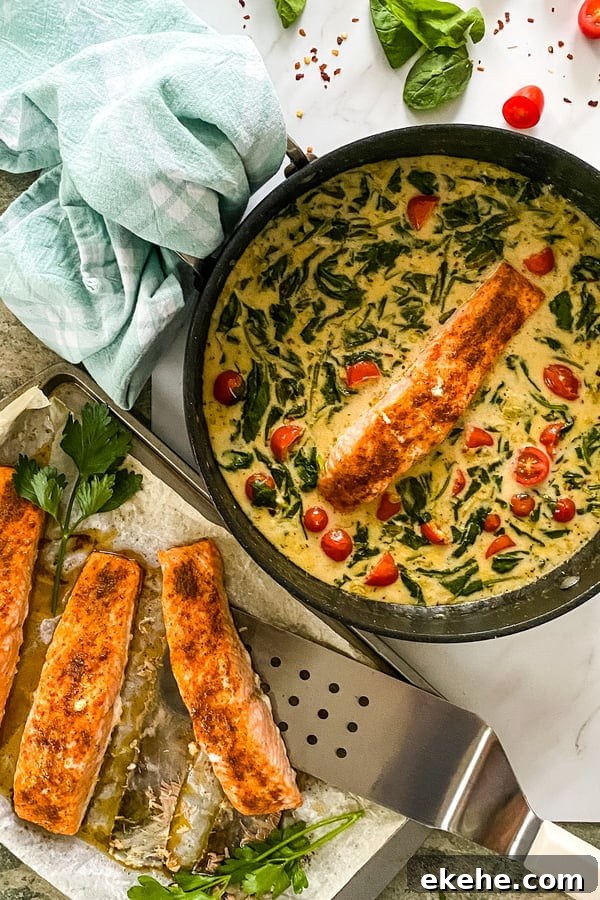
Ingredients for Salmon with Coconut Milk
- Salmon
- Extra virgin olive oil
- Old Bay seasoning
- Scallions
- Garlic
- Italian seasoning
- Red pepper flakes
- Spicy mustard (Dijon recommended)
- Coconut milk (13.5-ounce can)
- Fresh baby spinach
- Kosher salt and freshly ground black pepper
- Fresh parsley
Expert tips for baked salmon
- Portion size: aim for 6-ounce fillets—satisfying but not oversized. Leaving the skin on is fine; it slips off after baking.
- Target internal temperature: 140–145°F for moist, tender salmon. A quick-read digital thermometer is helpful for consistent results.
- Prepare sauce ingredients in advance; the sauce comes together quickly. Use a straight-sided sauté pan to hold the sauce and spinach comfortably.
- Reheating: this dish reheats well. Use microwave power at 60% for about 1 minute, then continue in 30-second intervals until warmed without overcooking the fish.
Personal chef menu
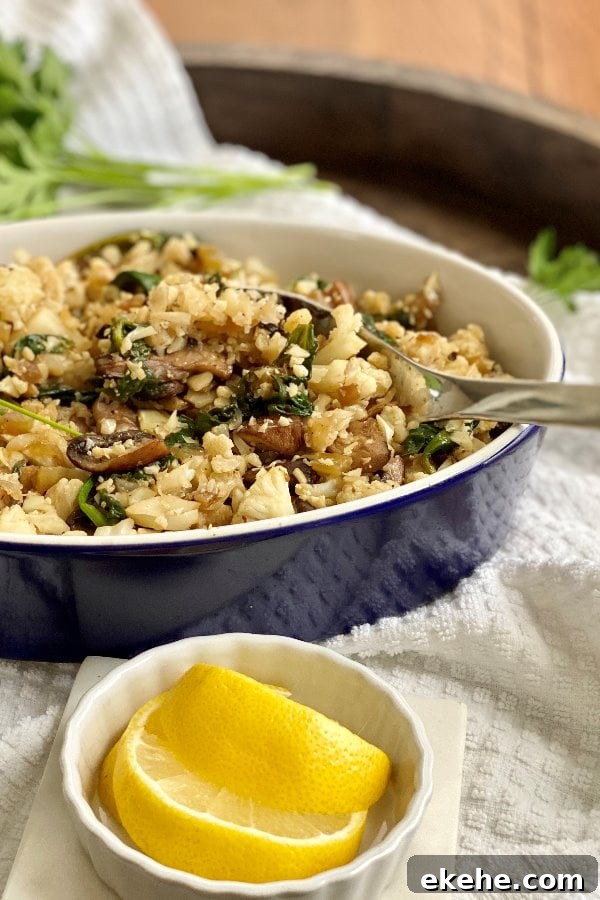
For this client the salmon was served with Cauliflower Rice Pilaf (spinach omitted from the pilaf since it’s in the sauce). The full pilaf method is included in my cauliflower rice recipe.
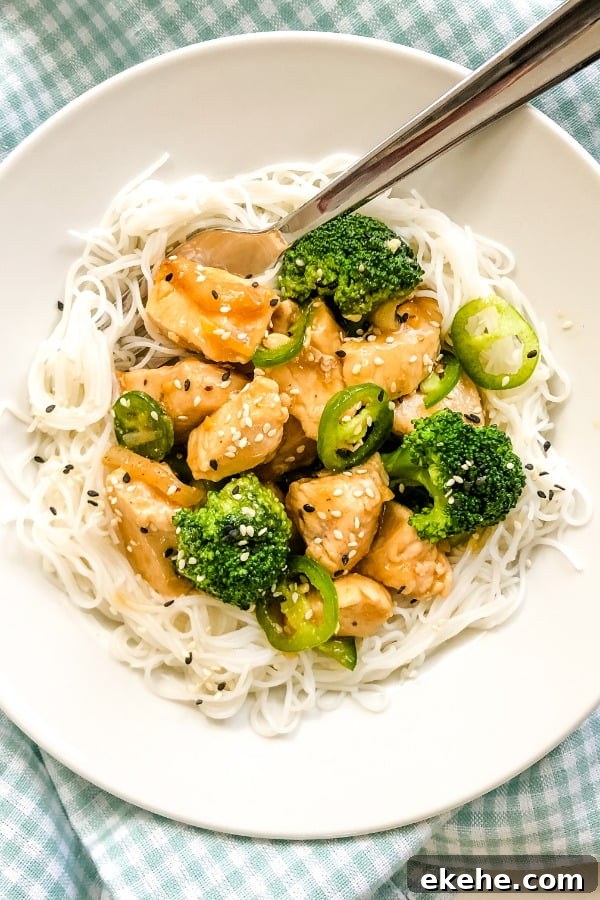
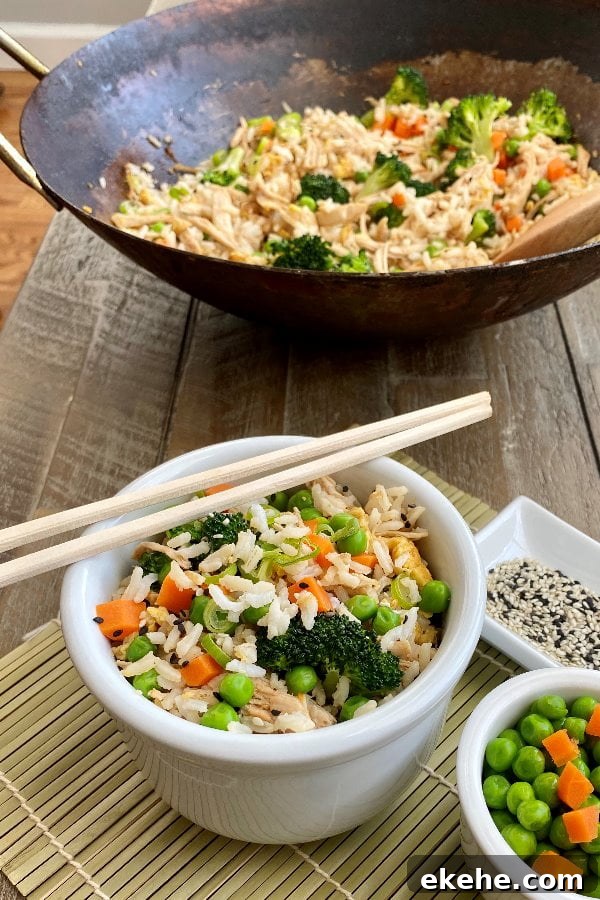
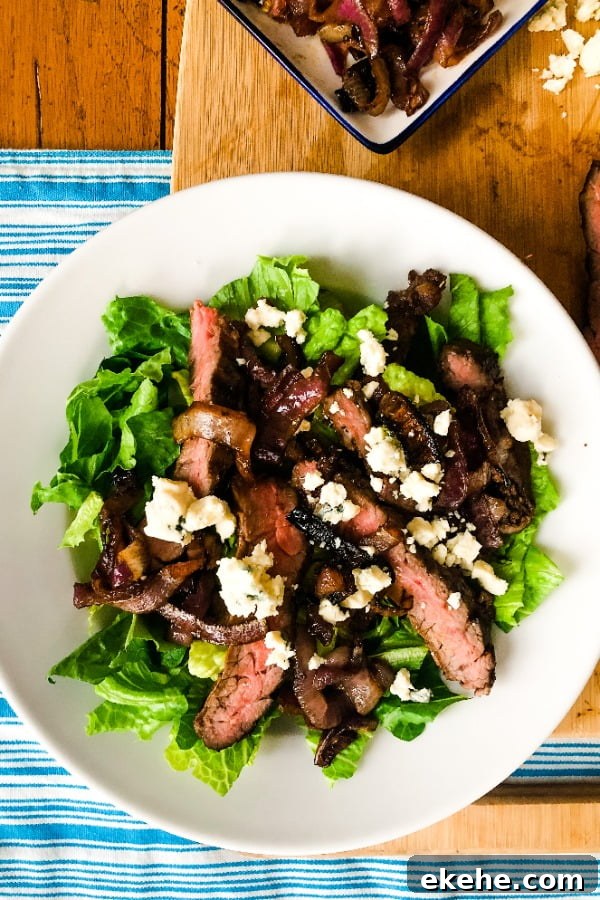
Other menu items that day included a spicy Jalapeño Chicken and Broccoli Stir-Fry and Vegetable Fried Rice with peas, carrots, and sesame-scrambled eggs. A Balsamic Steak Salad with Roasted Red Onions and Blue Cheese provided a cool, flavorful option—the steak can be reheated or served cold over greens.
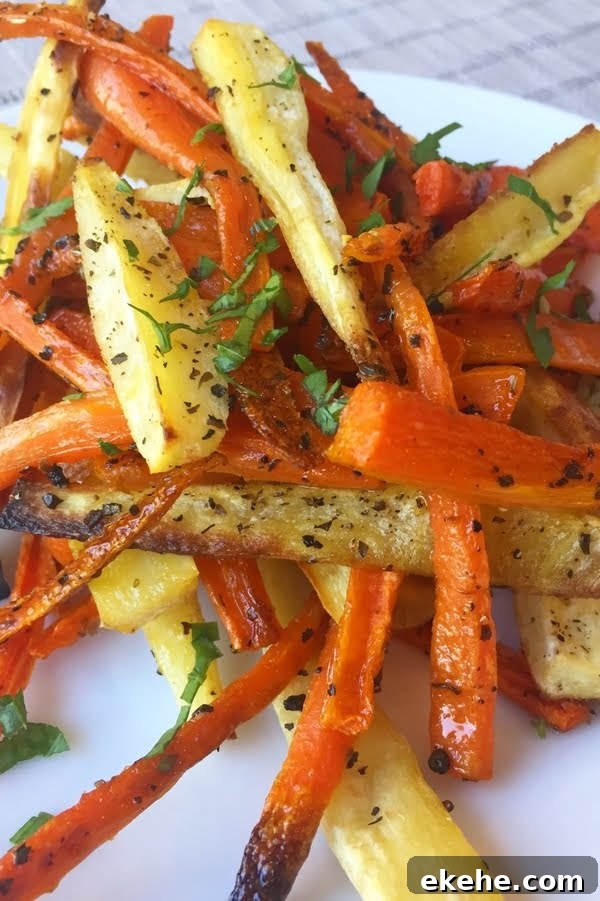
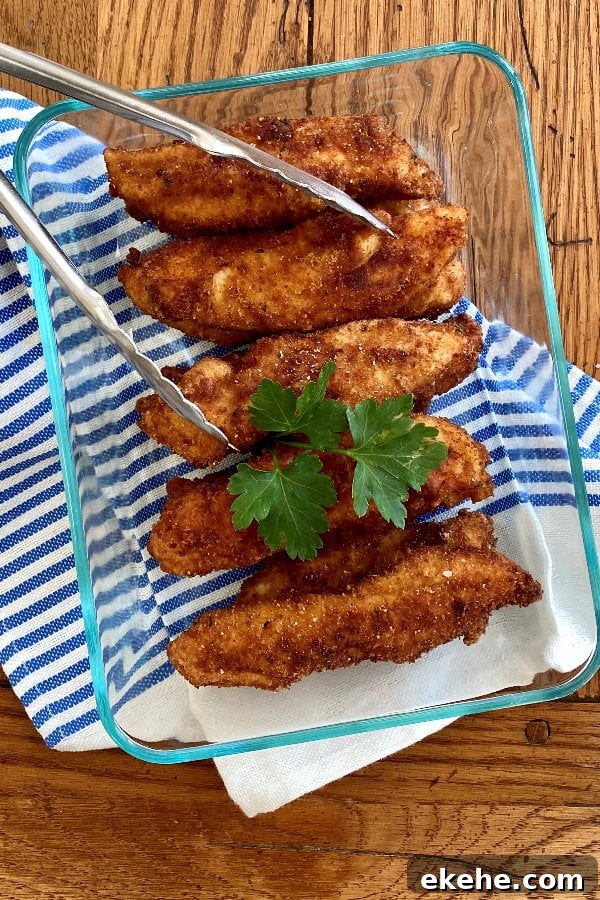
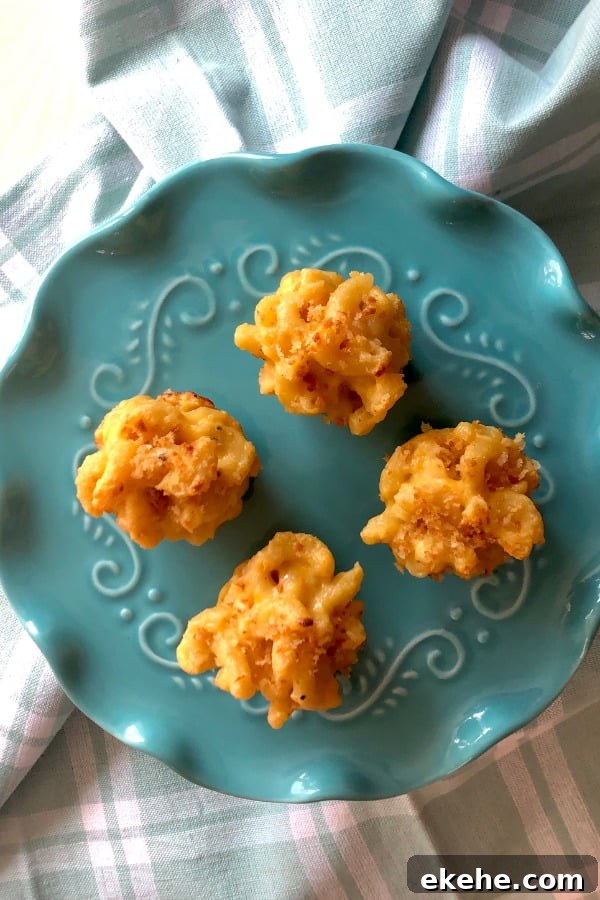
Vegetable sides that complemented the menu included Roasted Carrot and Parsnip Fries. For the kids (and the grown-ups who love them) I prepared Buttermilk Fried Chicken Tenders with Mini Mac and Cheese Bites as a fun, two-bite side.
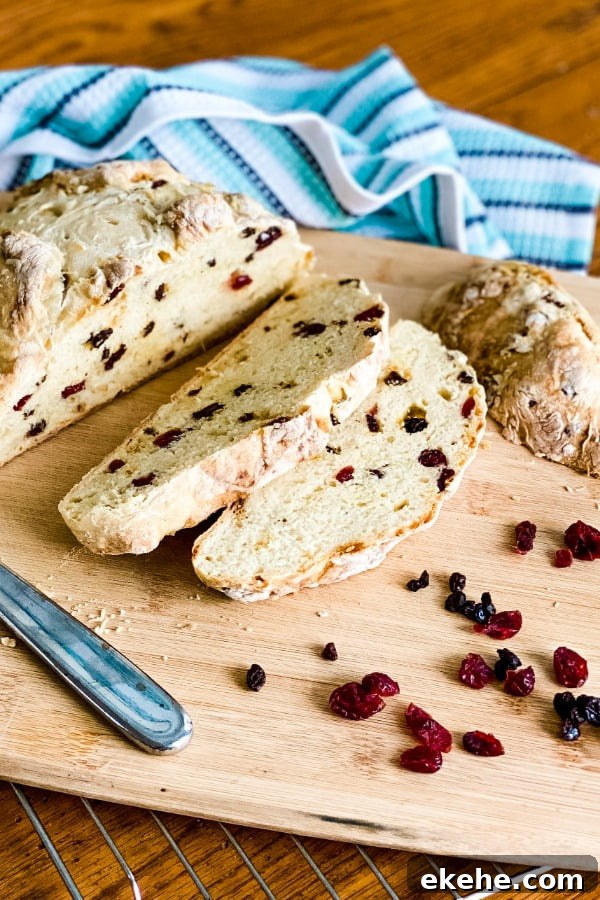
On occasion clients request an add-on. This family asked for my Irish Soda Bread, so the home filled with the warm aroma of freshly baked bread that day.
How a personal chef packages meals
Most clients prefer durable glass storage containers that go from fridge to oven to table; clients simply provide clean containers before each visit. Others choose disposable plastic to-go containers for convenience and easy recycling.
I share daily updates, recipes, and behind-the-scenes photos on social media. If you try any of my recipes I’d love to hear about it.
Recipe — Baked Salmon with Creamy Coconut Spinach Sauce
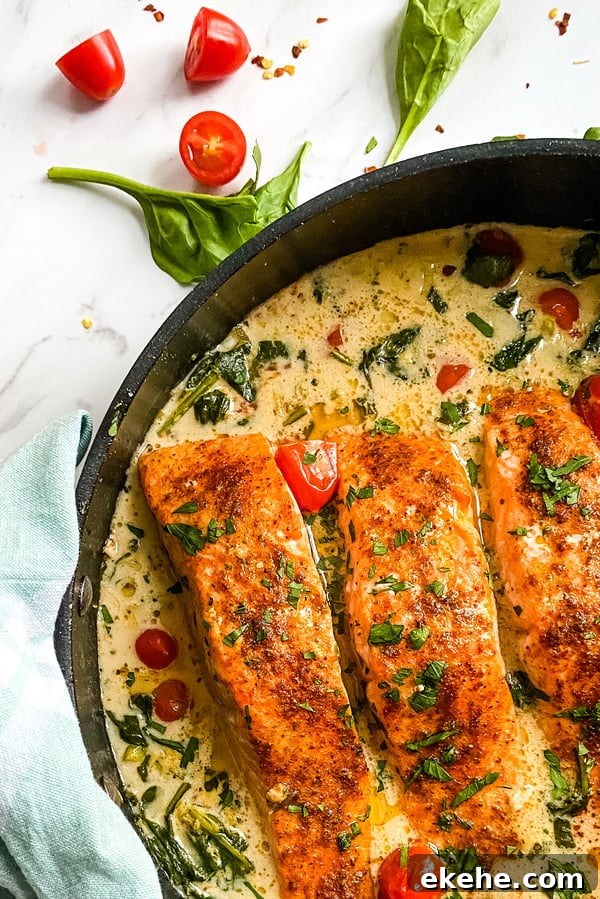
Baked Salmon with Creamy Coconut Spinach Sauce
Servings: 4 | Prep time: 5 minutes | Cook time: 15 minutes | Total time: 20 minutes | Calories: 348 kcal
Ingredients
- Extra virgin olive oil
- 4 salmon filets (about 6 ounces each; with or without skin)
- Old Bay seasoning
- 3 scallions, thinly sliced
- 1 cup cherry tomatoes, halved
- 3 garlic cloves, chopped
- 1 teaspoon Italian seasoning blend
- Red pepper flakes, to taste
- 1 tablespoon Dijon mustard
- 1 (13.5 oz) can coconut milk (full fat or light)
- 5 ounces fresh baby spinach
- Fresh parsley, chopped, for garnish
- Kosher salt and freshly ground black pepper
Instructions
- Preheat oven to 425°F. Line a baking sheet with foil and set aside.
- Place salmon filets on the prepared pan. Drizzle with oil and season generously with Old Bay. Bake for about 14 minutes, or until the internal temperature reaches 145°F.
- While the salmon bakes, make the sauce: heat 1 tablespoon oil in a large sauté pan over medium heat. Add scallions and cherry tomatoes, season with salt and pepper, and sauté 3–4 minutes until just beginning to wilt.
- Add garlic and Italian seasoning; sauté 1 minute more.
- Stir in red pepper flakes and Dijon mustard.
- Add the coconut milk, bring to a gentle boil, then add the spinach and stir until wilted.
- Taste and adjust seasoning with salt and pepper.
- Remove salmon from the oven and gently place each filet into the pan with the sauce. Spoon sauce over the salmon.
- Serve garnished with fresh parsley.
Notes
- Salmon portion: 6 ounces per piece is a good serving size.
- Bake to 140–145°F for moist, tender fish. A quick-read thermometer ensures accuracy.
- Prep sauce ingredients ahead of time; it cooks quickly. A straight-sided sauté pan works well for this recipe.
- To reheat, microwave at 60% power for about 1 minute, then continue in 30-second intervals until warmed—this prevents overcooking.