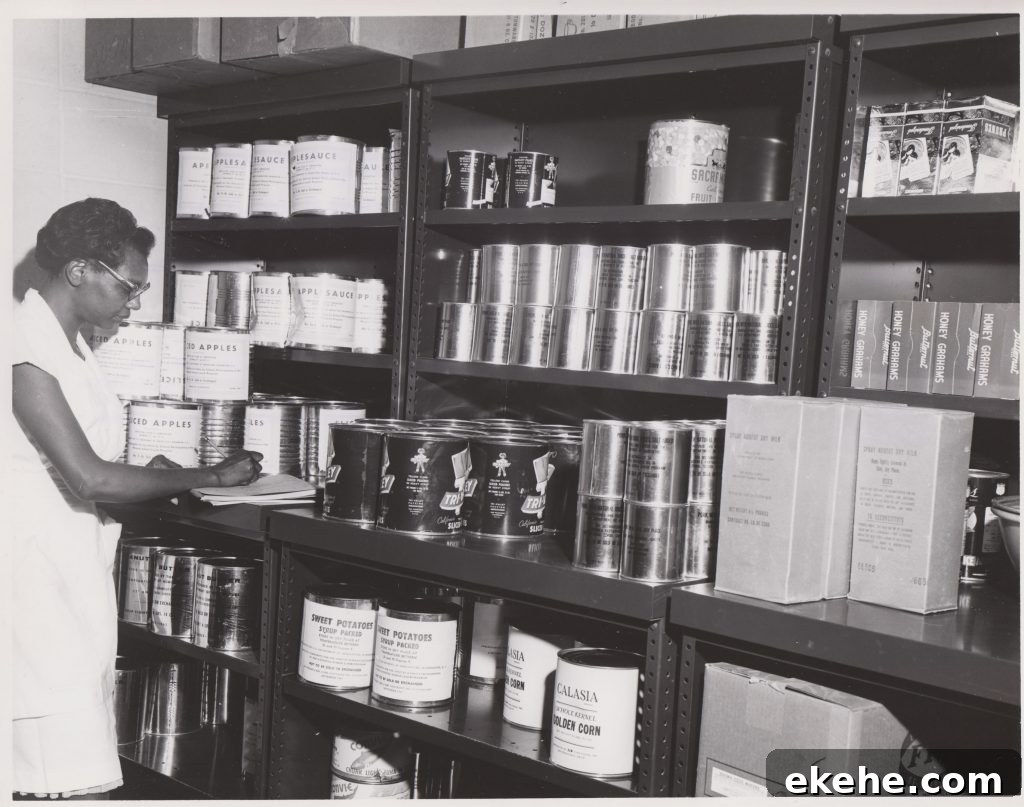
May 1st is School Lunch Heroes Day, a time to honor the school food professionals who quietly ensure children are fed, comforted, and cared for every school day. These dedicated individuals have stood by students through kindergarten milestones, classroom triumphs, and graduation celebrations. Today many also serve as first responders, meeting the nutrition needs of their communities in times of crisis.
School food service has a deep and proud history in the United States, with professionals serving children for more than a century. To celebrate, here are some moments and memories from past school lunch heroes who helped build the programs we rely on today.
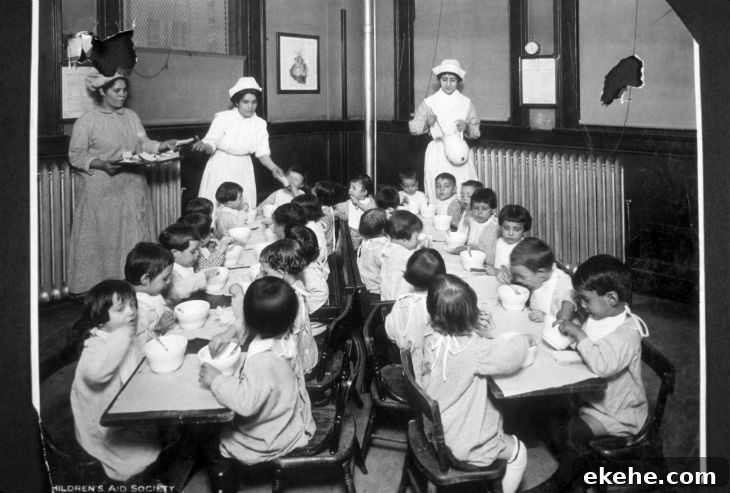
One of the first school feeding programs in the United States was started by the Children’s Aid Society of New York City in 1853.
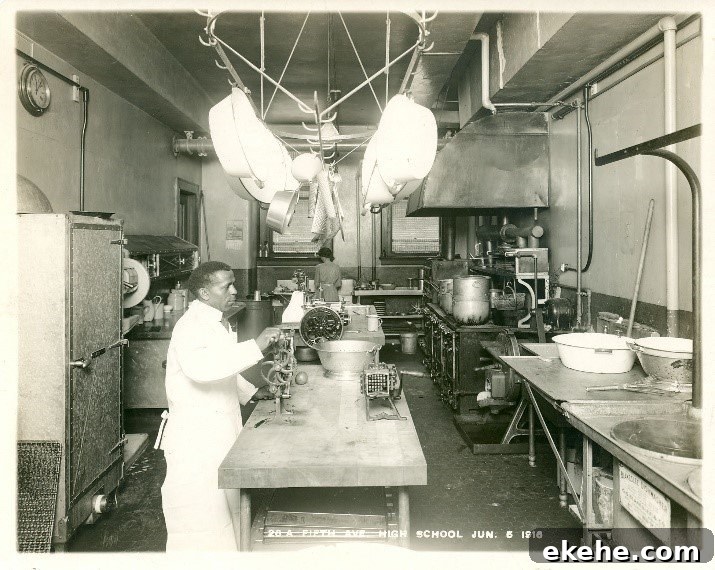
By 1913, school meal efforts were active in fourteen states, often run by parents and volunteers. A 1916 high school kitchen photo from Pittsburgh shows a man peeling potatoes and preparing fries—an early sign that some menu favorites have long roots.
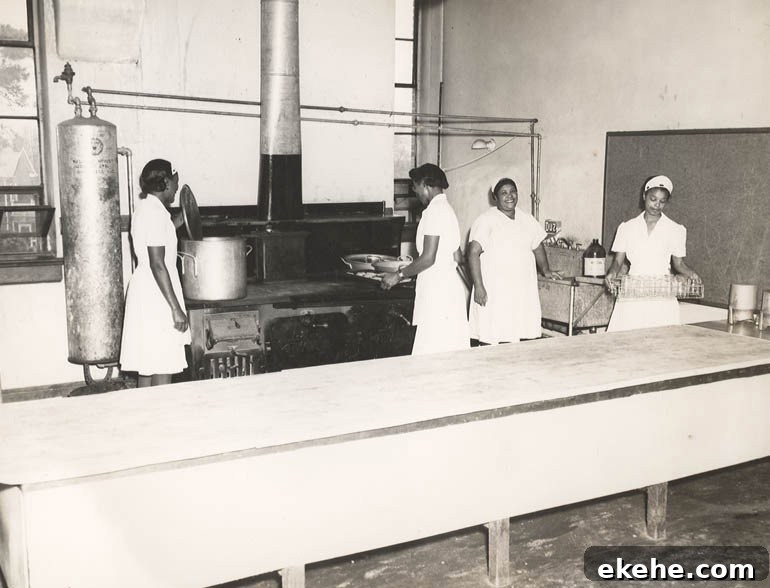
While kitchens and service lines were often simple, the food was thoughtfully prepared and staff uniforms were neat and professional.
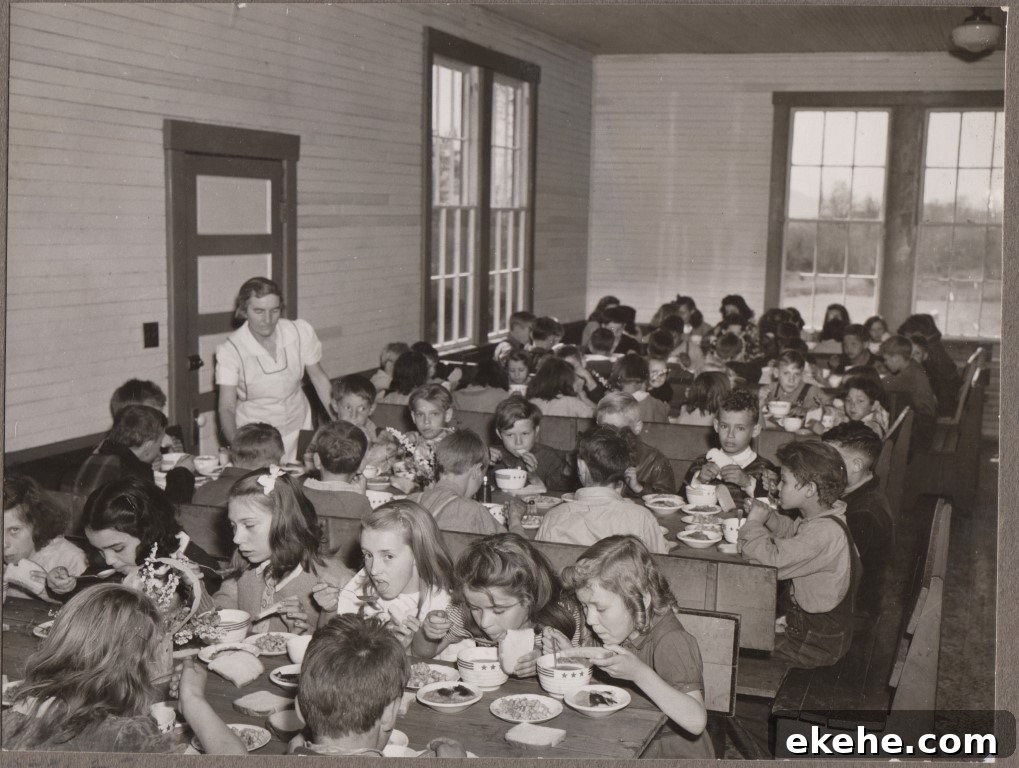
The Works Progress Administration (WPA), created in 1935, provided jobs on public projects, including support for school lunch programs. The WPA played an important role in establishing rural school lunch services.
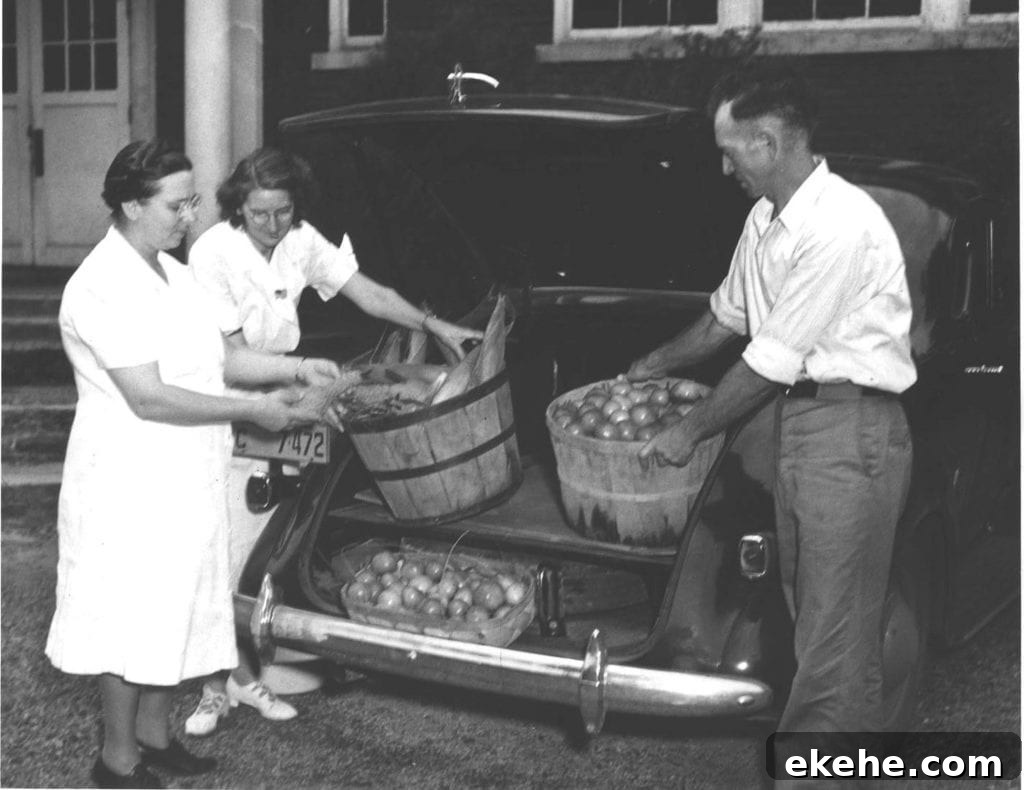
Early farm-to-school efforts are visible in photos from around 1942, illustrating the longstanding connection between local agriculture and school meals.
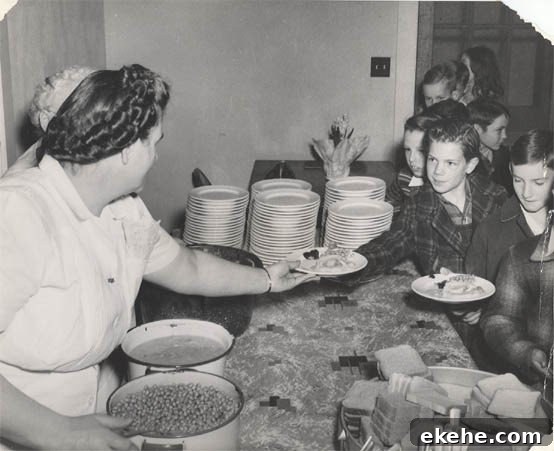
In 1943, South Carolina became the first state to pass legislation promoting and supervising school lunch programs. A 1940s photo shows children at Indian Land School in Lancaster, South Carolina, filing past the service line to receive a nutritious meal.
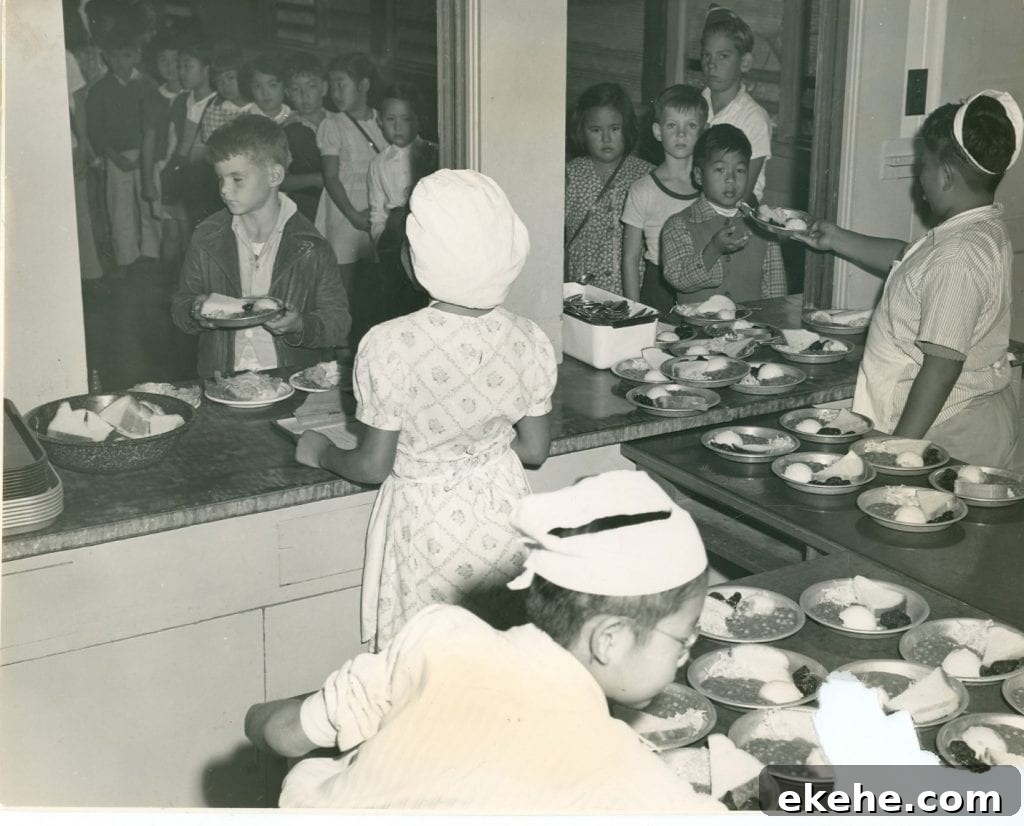
In January 1947, servers at the Thomas Jefferson Cafeteria in Hawaii plated meals the year after the National School Lunch Act permanently authorized federal support for school lunches. The pie plates used then remind us of how serving styles have evolved over time.
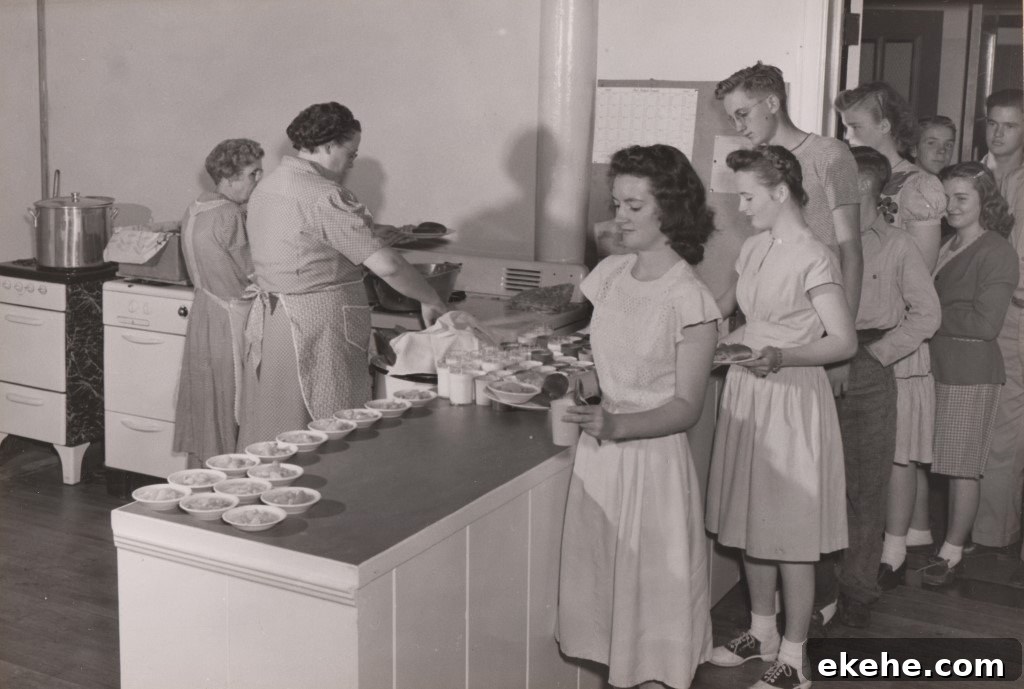
Kitchens and serving lines have modernized considerably, but historical photos show early examples of serving stations that might be seen today in open kitchens—though without today’s hygiene features like sneeze guards.
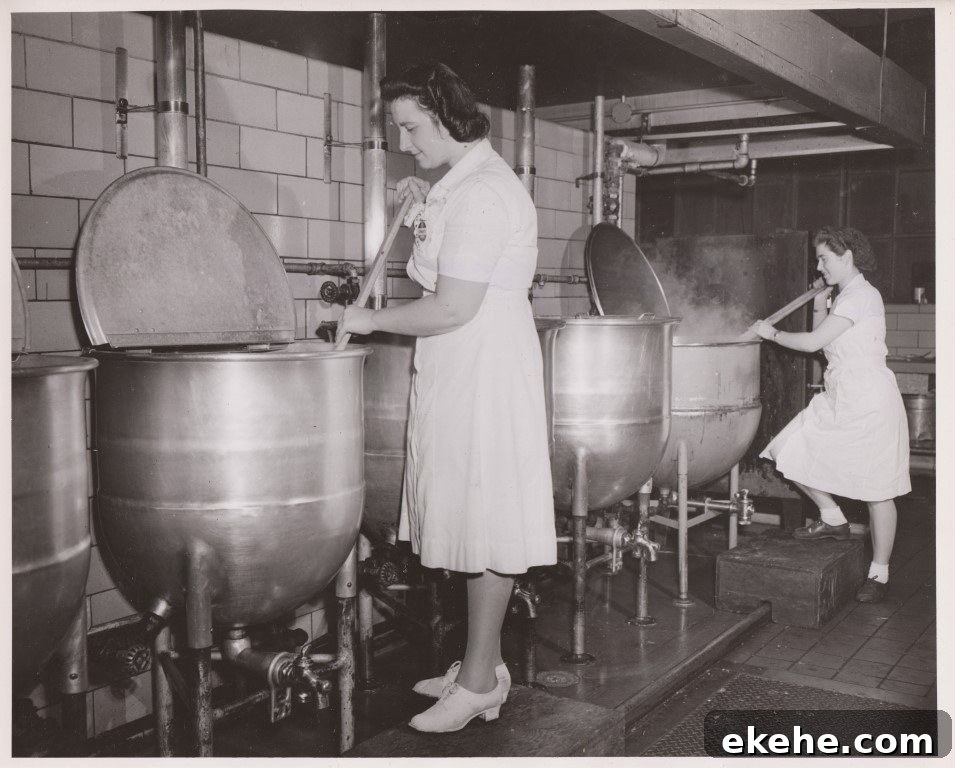
By the 1950s, school nutrition programs expanded nationwide. This image of two uniformed workers tending steam kettles captures the pride and craftsmanship of school cooks. Simple tools, like wooden boxes used as steps, were common in busy kitchens.
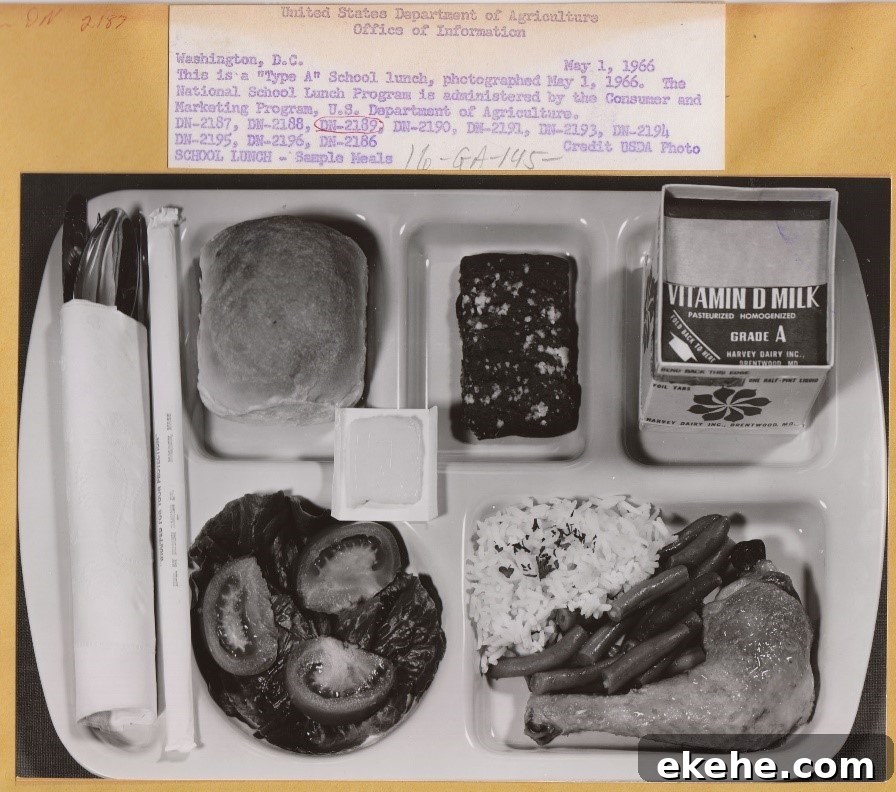
Congress designated National School Lunch Week to raise awareness and participation in school meal programs; the first observance was October 9, 1962. The classic “Type A” school lunch of that era included a protein, fruits and vegetables, bread, butter, and milk.
Many recipes from that era remain popular; oven-fried chicken is a classic example of a school lunch staple that continues to appeal to students today.
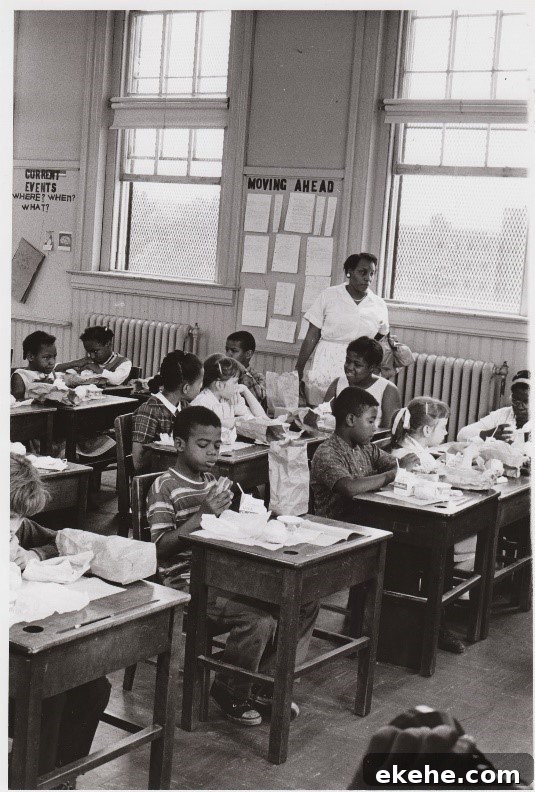
Serving meals in classrooms or providing bagged lunches is not new. In June 1965, children at Lenox School in southeastern Washington, DC, received bagged lunches—an early example of flexible meal service.
Photo courtesy of Child Nutrition Archives, Institute of Child Nutrition, University of Mississippi, Records of the Office of the Secretary of Agriculture, 1960-1975.
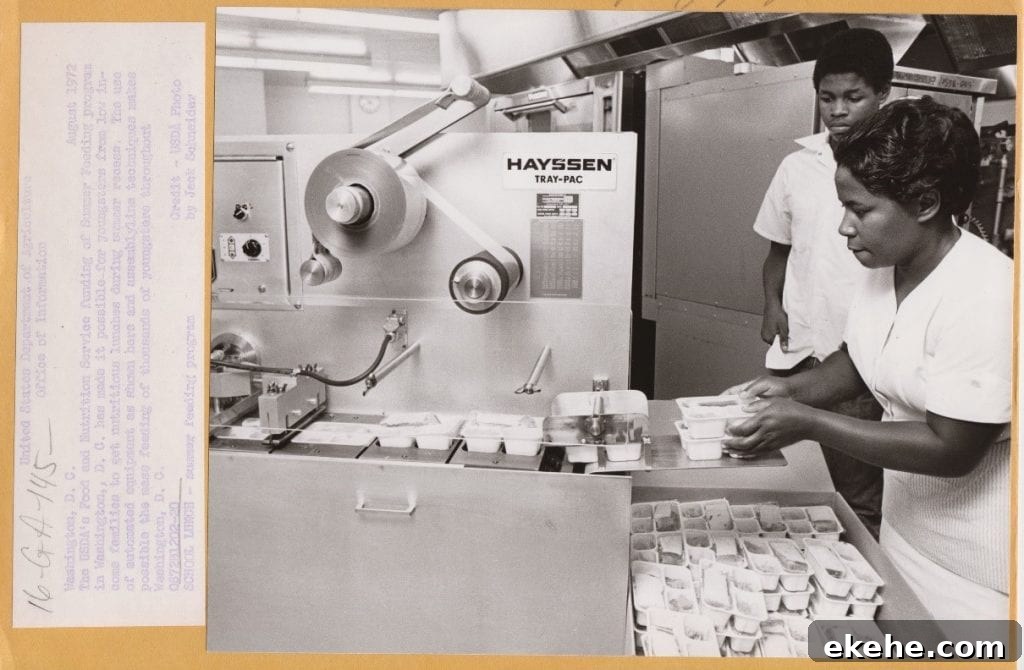
By 1972, automated equipment and assembly-line techniques made it easier to prepare and transport meals for off-site feeding programs, such as summer meal services in urban areas. Those innovations helped extend the reach of school nutrition to children beyond the cafeteria.
My school nutrition hero and mentor
Dr. Josephine Martin devoted her career to advancing child nutrition. From 1950 onward, she guided the expansion of school meal programs while keeping child health and well-being at the center of that work. Her leadership influenced major federal child nutrition policies, and she has testified before Congress numerous times, starting in 1968.
-

Photo Credit: Josephine Martin collection. -
Photo credit: Cathy Powers
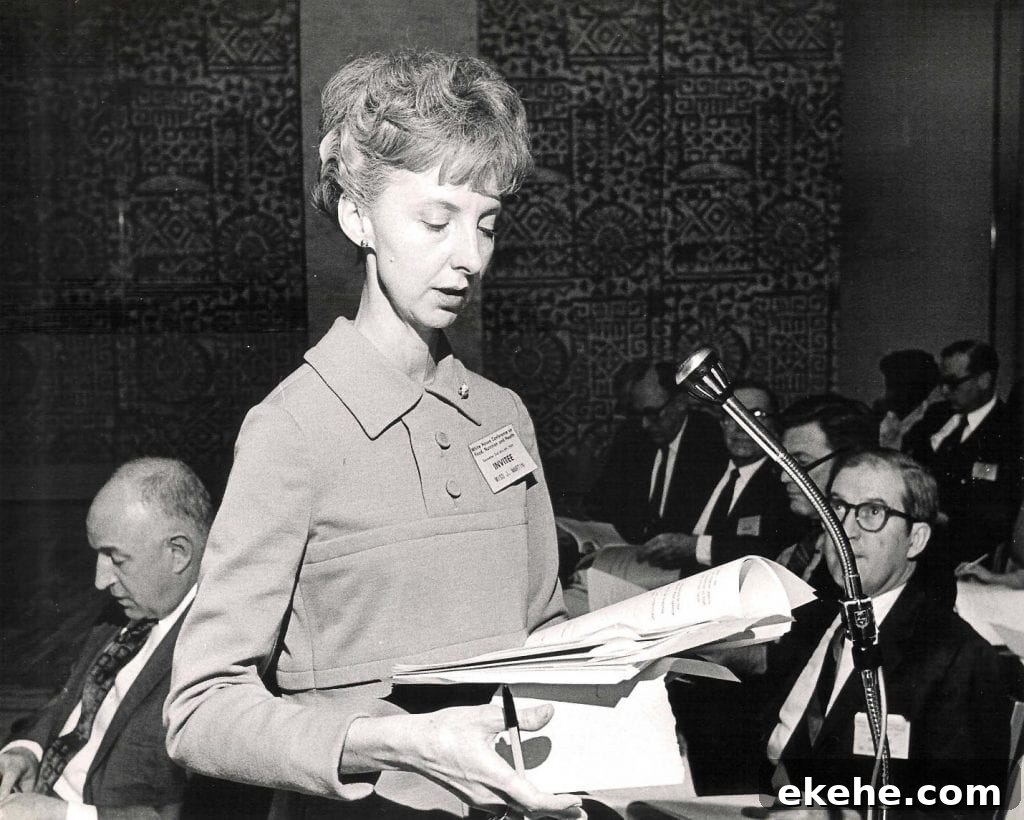

Dr. Martin held influential roles throughout her career. She served as president of the American School Food Service Association in 1976-77 (now the School Nutrition Association), was the first executive director of the National Food Service Management Institute (now the Institute of Child Nutrition), and played a central role in creating that Institute. Earlier, she served as Director of School Nutrition Programs and Associate State Superintendent of Schools for the Georgia Department of Education.
I had the privilege of collaborating with Dr. Martin on several initiatives, beginning in 1995 to develop a culinary training program. She is generous with her time and expertise and consistently focused on the future of school nutrition. Her leadership and vision have shaped the field, and her work continues to inspire those who serve children through school meal programs.