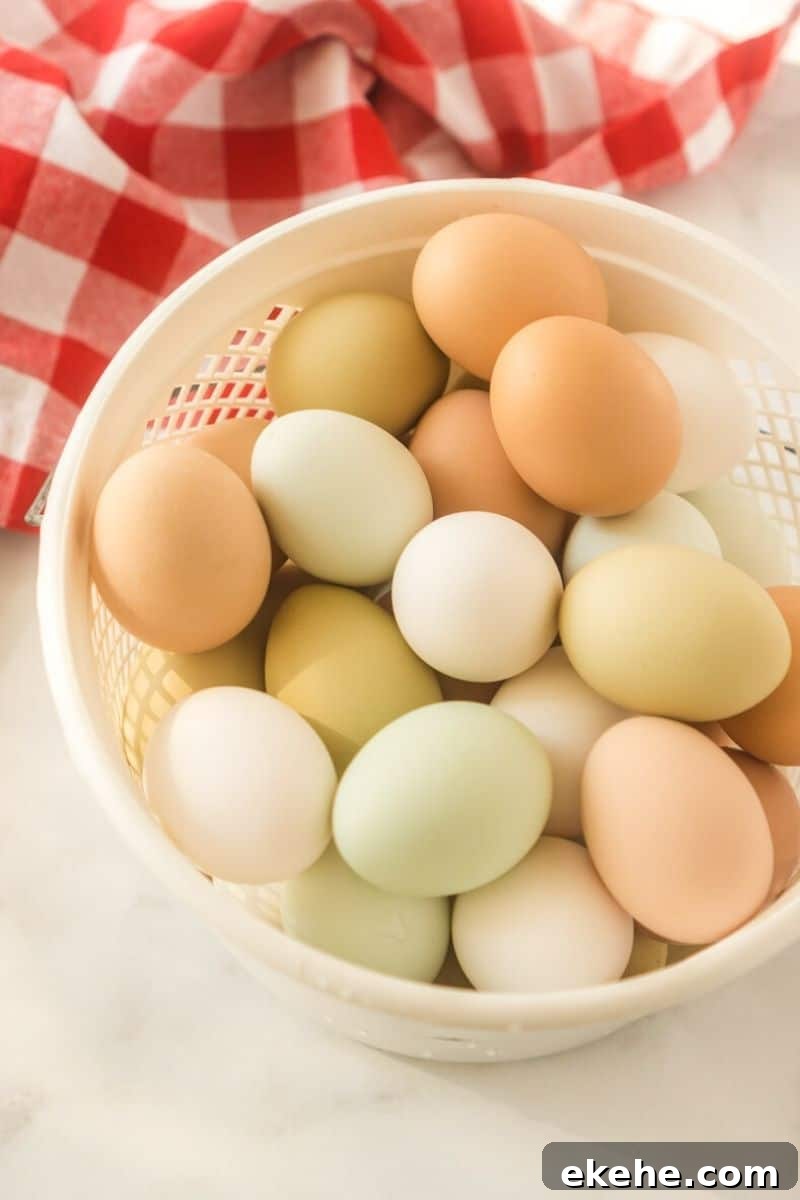
Here are the chicken breeds that lay colored eggs, so your kitchen can be filled with eggs that are fresh, delicious, and visually appealing.
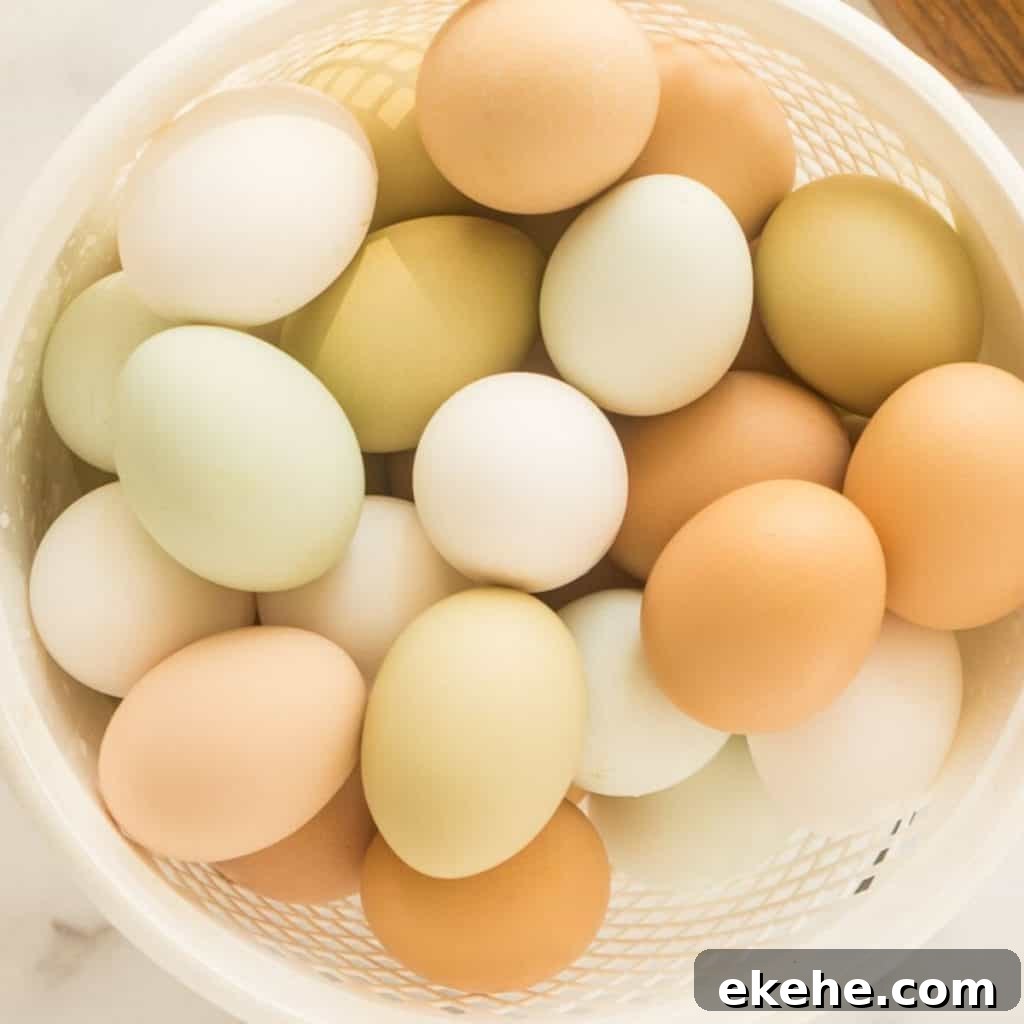
Why are some chickens’ eggs blue, green, or brown instead of white?
The primary reason is genetics: the shell color is determined by the hen’s genes. Diet, environment, or management don’t create true shell color, although factors like excess calcium or dietary changes can cause spots or bumps. Colored shells originate from pigments deposited during egg formation, and that trait is inherited.
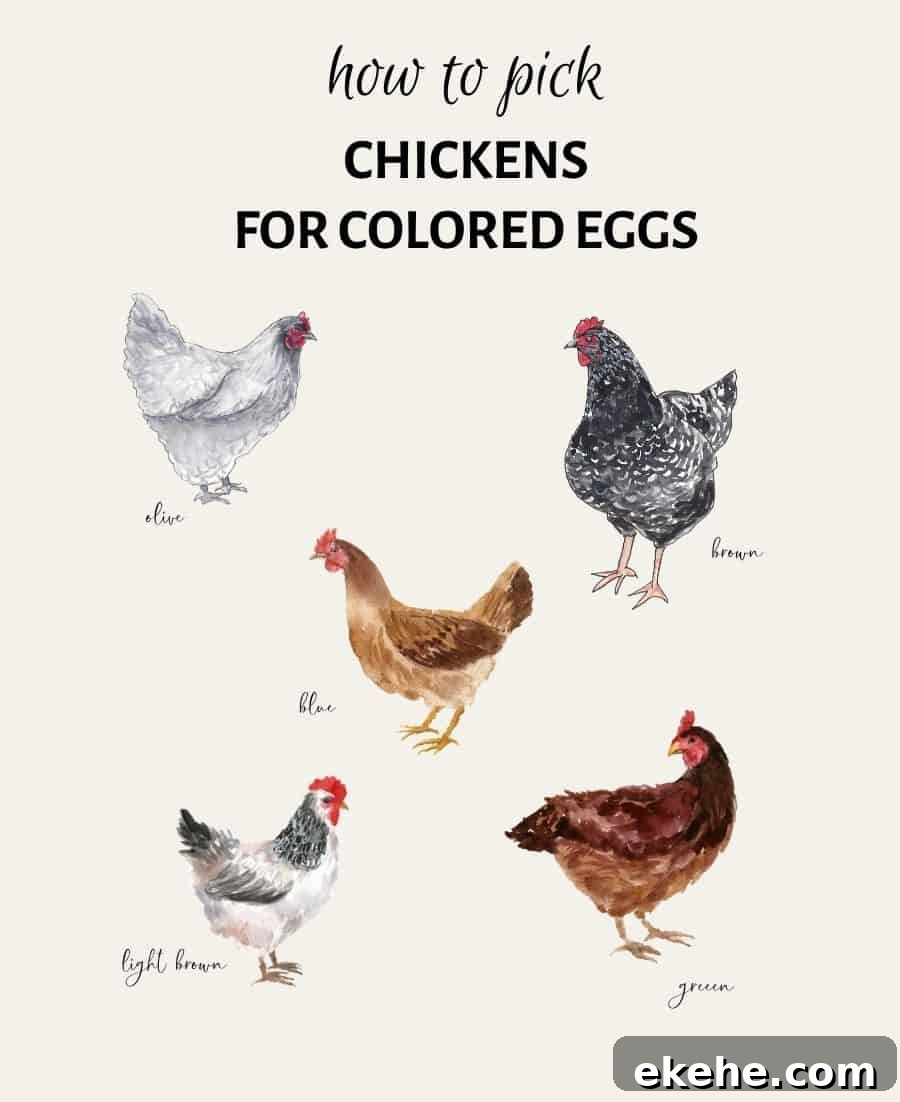
Is there an advantage to choosing chickens that lay colored eggs?
Functionally, colored-egg breeds offer no major production advantage—mostly they are chosen for appearance. Many of these breeds can be pricier, and some lay fewer eggs while consuming more feed compared with highly productive commercial layers. For practical egg production, common brown and white layers often remain the most economical choice.
That said, colored eggs can add value if you sell them. Specialty cartons with mixed blues, greens, and browns often command higher prices at farmers’ markets and specialty stores. If you keep chickens for aesthetic appeal or to delight family and friends, colored eggs are a charming reason to select certain breeds.
Orpingtons and Wyandottes for soft brown eggs
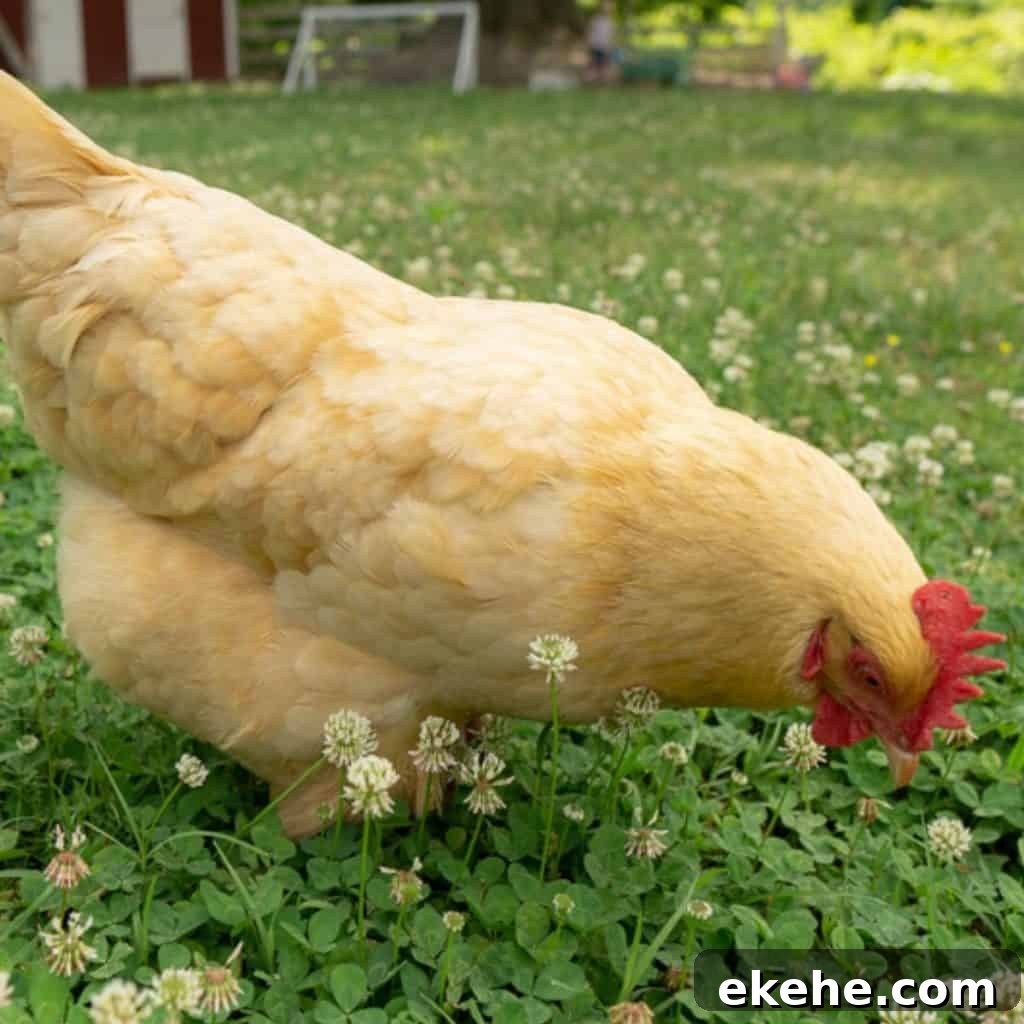
Orpingtons—especially the Buff Orpington—and Wyandottes are excellent backyard birds known for laying attractive soft-brown eggs. Brown is the most common backyard egg color, and breeds such as Barred Rocks and Rhode Island Reds also produce brown eggs. While brown isn’t the same novelty as blue or green, these breeds are solid all-around choices for reliable egg production and friendly temperaments.
Easter Eggers for blue-green eggs
Easter Eggers are among the most popular colored-egg layers. They are typically inexpensive and hardy, but note that “Easter Egger” is not a standardized breed—it’s a mixed-type bird. Their eggs can vary widely in shade, from olive green to aqua to true blue. If you want a consistent specific color, a breed with stable genetics may be a better option.
Olive Eggers for olive green eggs
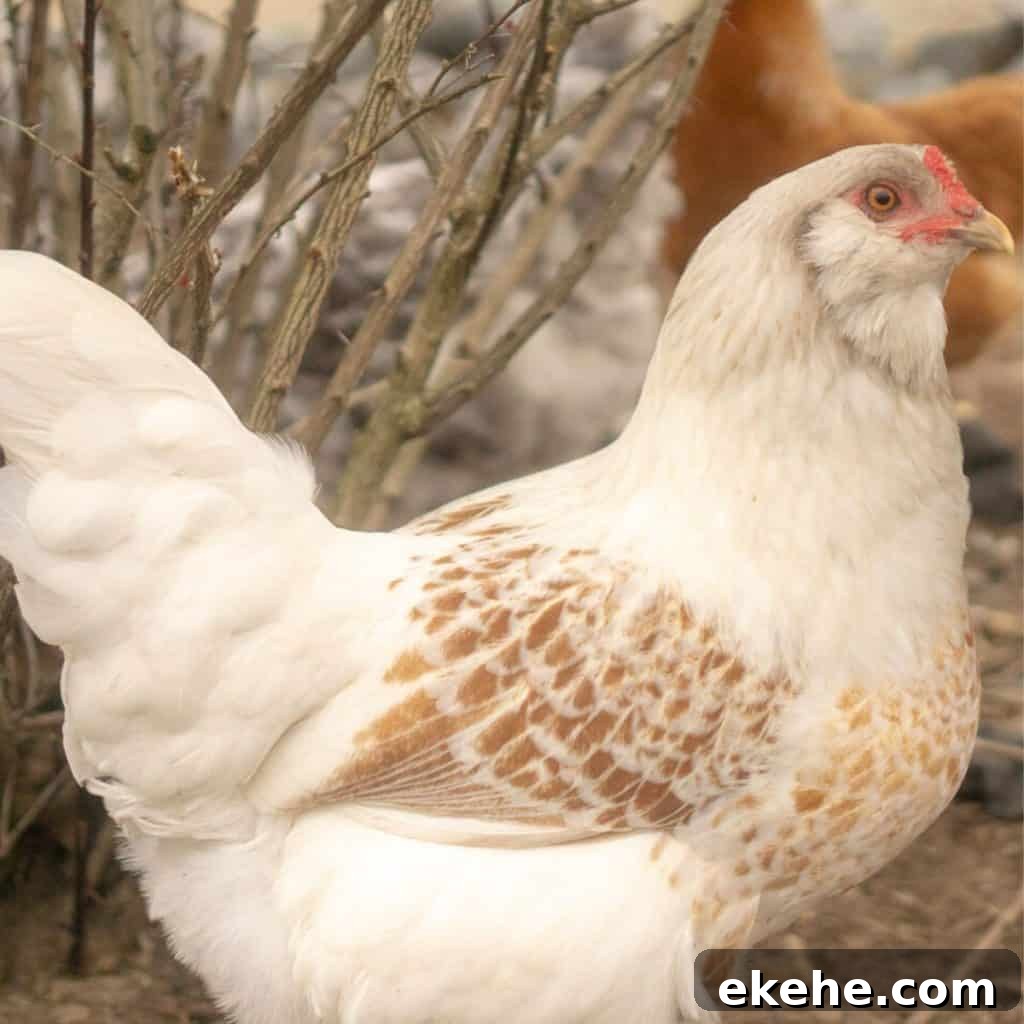
Olive Eggers are crosses between a blue-egg layer and a brown-egg layer, producing eggs in shades of green—ranging from brownish-olive to a clearer green. Like Easter Eggers, they are mixed-heritage birds rather than standardized breeds, but they make a lovely and colorful addition to a backyard flock.
White Leghorns for white eggs
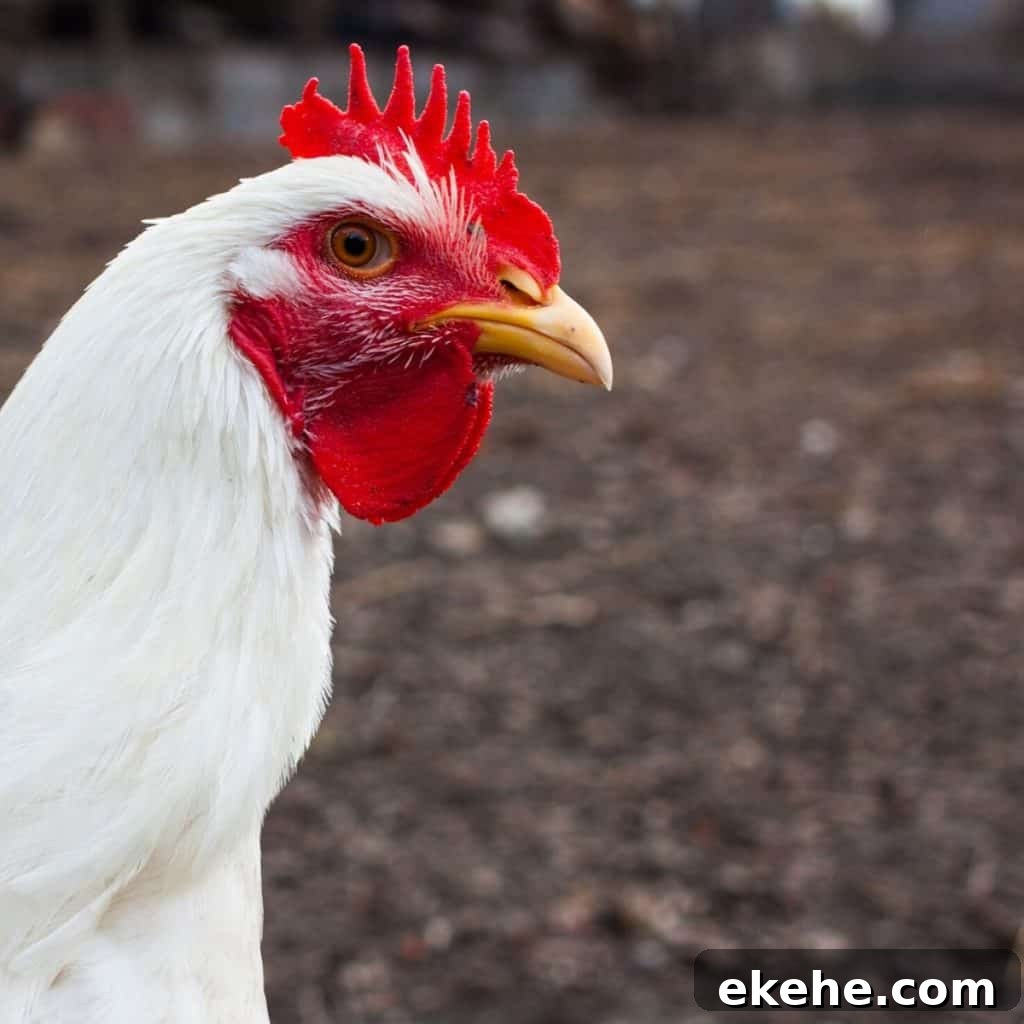
White Leghorns are renowned for consistently producing large, white eggs and for their strong laying performance. Including white-egg layers in a mixed flock creates visual contrast that enhances the color variety in your egg basket, making the overall display more attractive.
Ameraucanas and Cream Legbars for true blue eggs
If you want reliably blue eggs, Ameraucanas and Cream Legbars are good choices. These standardized breeds tend to produce a consistent blue shell color, more dependable than mixed-type birds. They can be pricier than Easter Eggers, but they deliver predictable, beautiful blue eggs.
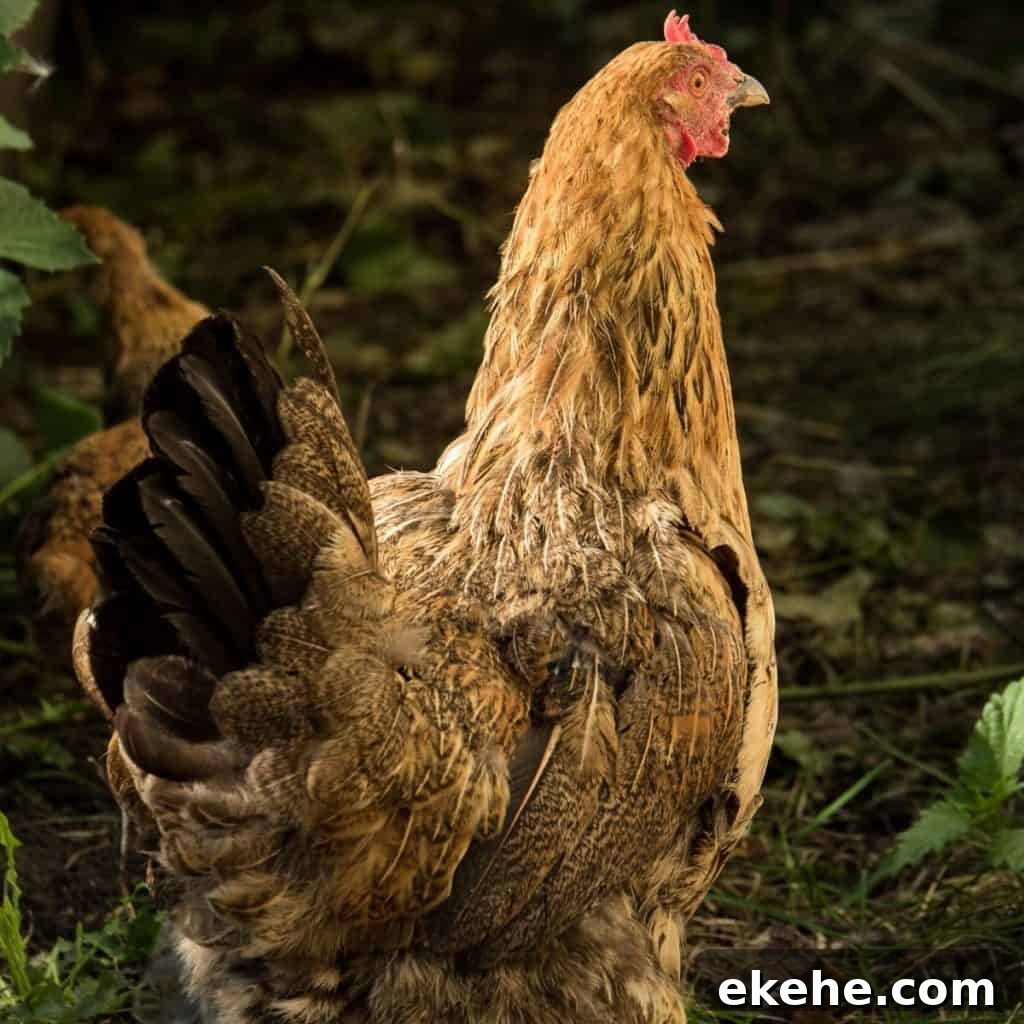
Welsummers and Marans for deep chocolate-brown eggs
Welsummers and Marans are known for producing very dark brown eggs—nearly chocolate-colored. These deeper brown shells are striking in a mixed carton alongside whites and blues, and they add another rich tone to the variety of natural egg colors available from backyard flocks.
Summary
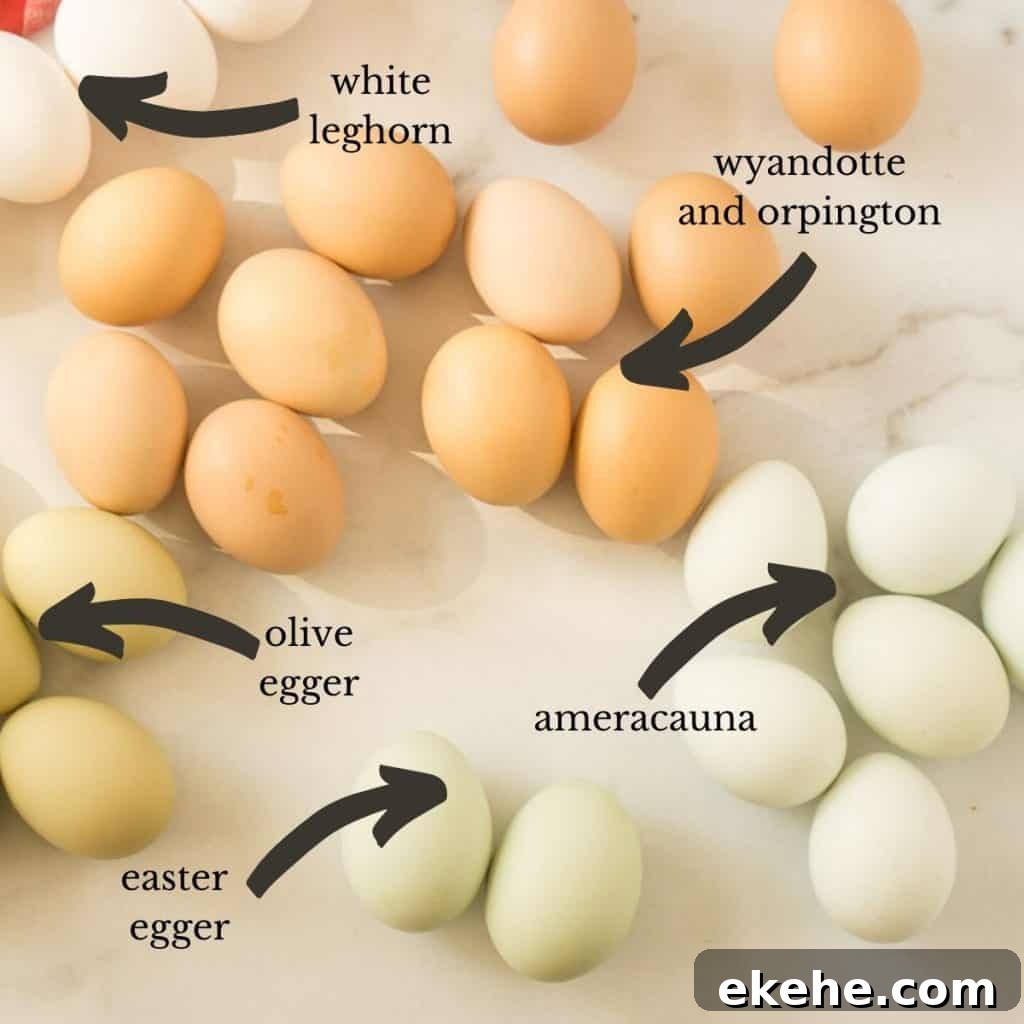
Blue eggs: Ameraucanas, Cream Legbars, and some Easter Eggers.
Brown eggs: Orpingtons, Wyandottes, Barred Rocks, Rhode Island Reds, and many other popular backyard breeds.
Green eggs: Olive Eggers and some Easter Eggers.
Ready to add chickens to your flock?
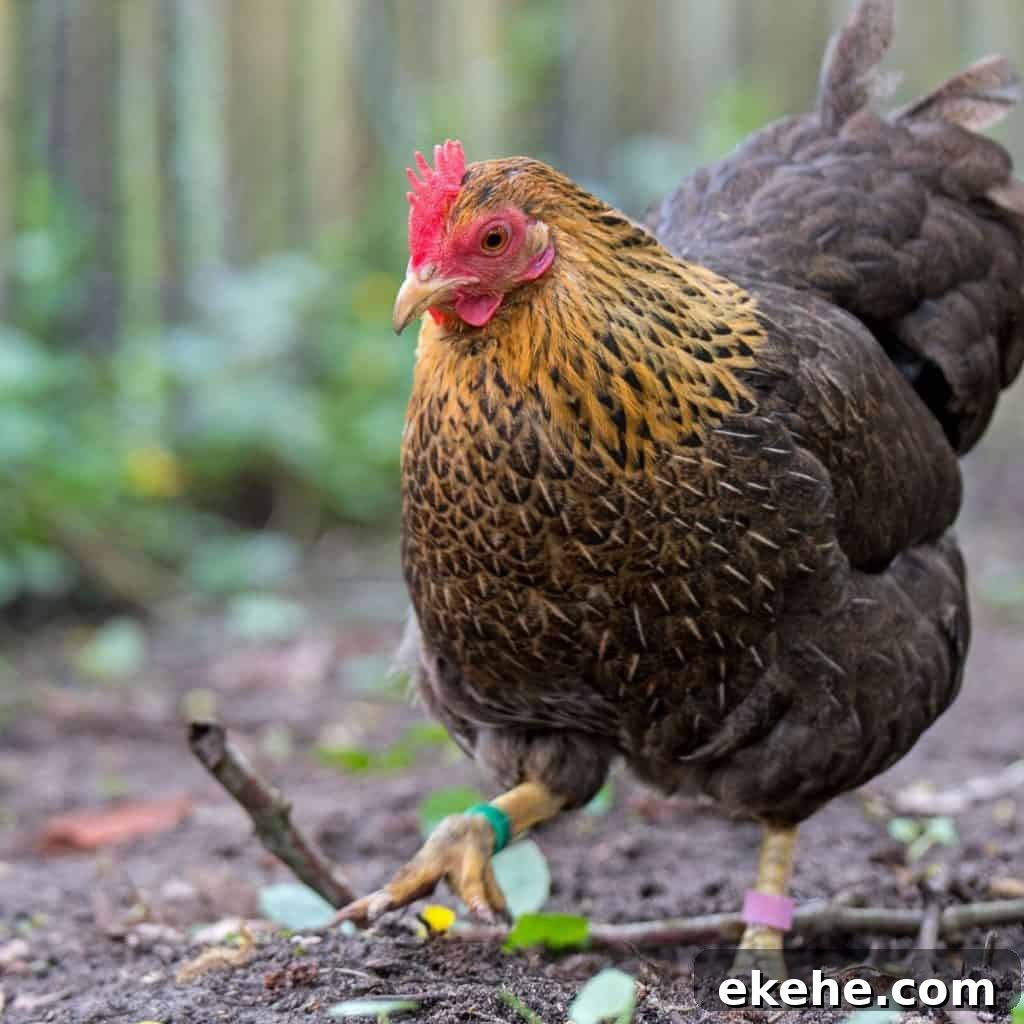
- Learn the basics of chicken care before ordering chicks—understanding housing, feed, health, and biosecurity will help your flock thrive.
- Research hatcheries and source birds from reputable suppliers; locally based hatcheries often reduce stress and shipping time for chicks.
- Plan recipes and storage for extra eggs so you can enjoy or preserve the harvest—eggs are versatile and keep well refrigerated.
Happy egg collecting!