I was born in the countryside of Colle Val d’Elsa, between Siena and Florence. The sea is only an hour away as the crow flies, and on a windy summer day I can almost smell the brackish air on the breeze. Yet fish rarely featured in our traditional cuisine. Until a few decades ago, my grandmother told me, the only fish available at the Friday market was salt cod, sometimes hake or cuttlefish. The same ingenuity used to transform vegetables, inexpensive cuts of meat and offal was not applied to fish.
I learned everything I know about fish by trying and making mistakes, reading cookbooks and—above all—by going to the market and asking fishmongers for help: what is that? what can I do with it? how do I cook it? how long in the oven? how do I clean it?
Our trips along the Tuscan coast—from Viareggio to Livorno, down to Maremma and the Argentario—to research, write and photograph From the Markets of Tuscany. A cookbook taught us a great deal. Thanks to the generosity of fishermen and fishmongers we discovered not only new recipes but, most importantly, the value of simplicity: straightforward techniques that let the freshness of the fish shine.
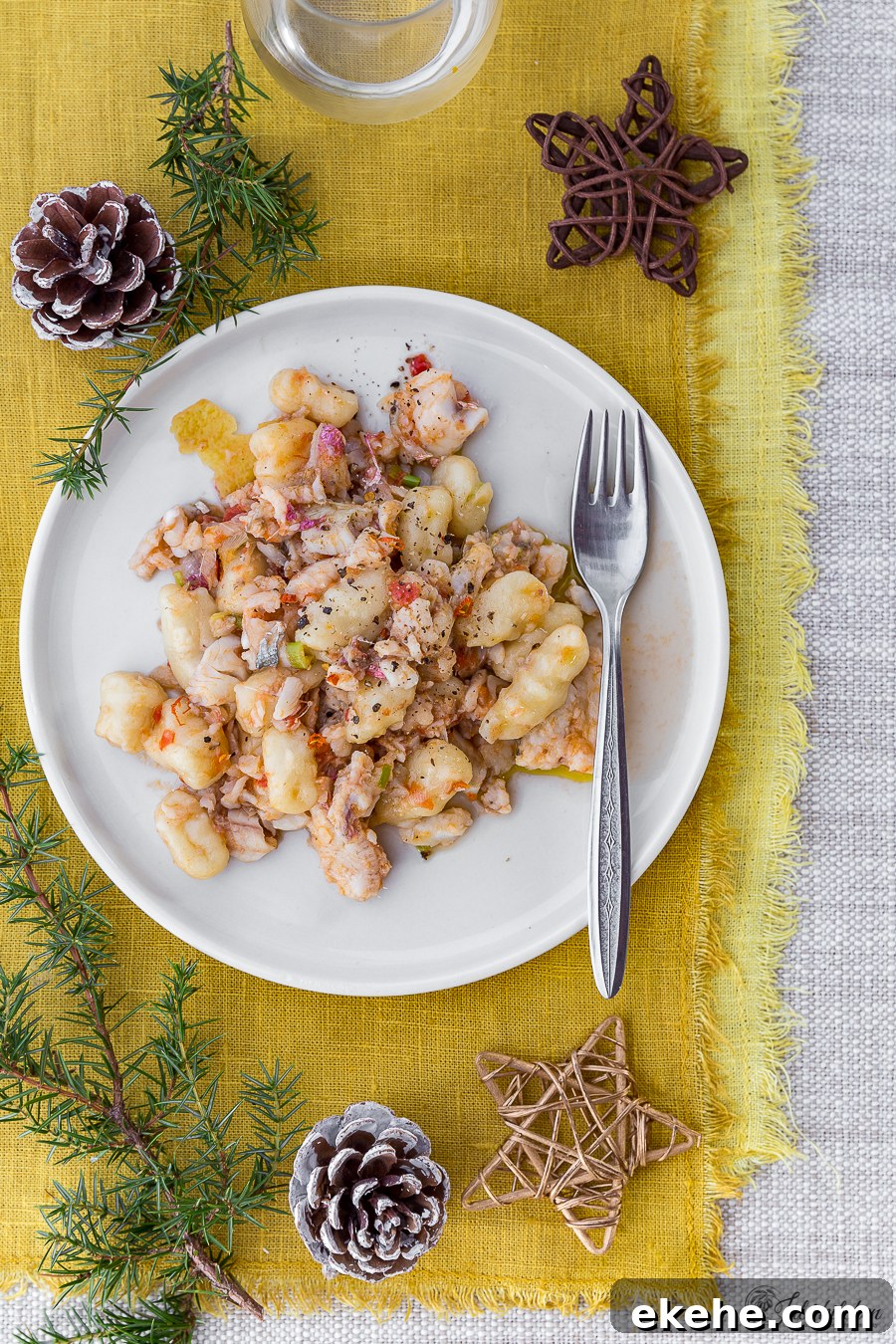
As a gift, here is an excerpt from the Versilia chapter and a recipe worthy of a Christmas fish menu: gnocchi alla trabaccolara.
Viareggio, the fish market on the pier
Fishing vessels typically dock around 10am in Viareggio, delivering the previous night’s catch to the stands along the pier. The colorful, talkative merchants who hang around their stalls are often the fishermen themselves. Haggling can yield prices lower than a regular fish shop, but it requires skill and experience to recognize quality.
The selection is narrower than in a dedicated fish shop because everything sold on the pier was caught only hours earlier. It’s about as local, seasonal and sustainable as you can get.
Further along are stalls run by the Mare Nostrum cooperative—another excellent option for fresh fish and a good choice for non-experts. It was there that I met Moreno Pellegrini.
Moreno Pellegrini and his stamp-sized kitchen
Moreno is more than a fisherman: he runs fishing trips for tourists, offering sea lovers a unique experience on his boat. The day’s catch becomes the meal, prepared in Moreno’s very small but well-equipped galley. Watching him work in that tiny space made me rethink my views on small kitchens.
My day in Viareggio was one of the most meaningful of my market odyssey through Tuscany. Moreno set up a table on his boat, squeezed into his kitchen and invited us to lunch. With the sea rolling beneath us and the aroma of garlic and olive oil in the air, I watched the secrets of cooking seafood unfold: impeccable fresh fish, very short cooking times and, according to Moreno, a finishing grating of lemon zest that lifts every dish.
On his boat we ate a memorable trabaccolara pasta that inspired the recipe below. For a Christmas version I replaced fresh tomatoes with tomato purée and swapped mezze maniche for homemade potato gnocchi.
Gnocchi alla trabaccolara
This dish takes its name from the trabaccolo, a fishing vessel used by sailors from San Benedetto del Tronto, though it’s equally rooted in Viareggio tradition. In the years between the world wars many fishing families left the Adriatic coast and settled in Viareggio, bringing recipes and techniques with them.
Trabaccolara is a peasant dish made with demersal fish that didn’t sell at market. Traditionally it dresses bowls of spaghetti or linguine, but compact hollow pastas like paccheri or mezze maniche also work well because the sauce clings and fills them. In this version the sauce dresses fresh gnocchi.
If you want to make your own gnocchi, find an old recipe on the blog for potato gnocchi.
Ingredients
For the fish fumet
- Bones from the fish used for the sauce
- 1 basil leaf
- 1 tablespoon tomato purée
- 1 teaspoon salt
For the gnocchi sauce
- 300 g fish fillets (mullet, rockfish, striped seabream, gurnard, weever or similar)
- 2 white parts of spring onions
- 1 piece dried chili pepper
- 2 tablespoons tomato purée
- Zest of 1/2 organic lemon
- A few basil leaves
- Extra virgin olive oil
- 1/2 cup white wine
- 800 g fresh gnocchi
Instructions
- Ask your fishmonger to fillet the fish or fillet it yourself if you can. Reserve the carcass. Put the bones into a pot with 2 litres of water, add the tomato purée, a basil leaf and 1 teaspoon of salt. Simmer gently for about an hour, then strain the liquid. Top it up with fresh water to use for cooking the gnocchi.
- Make the sauce: finely slice the spring onion whites and add them to a large pan with the tomato purée, a piece of dried chili and the lemon zest. Tear in some basil leaves, add a little olive oil and cook very gently for 7–8 minutes.
- Pour in the white wine, raise the heat briefly and reduce until the alcohol evaporates.
- Add the fish fillets to the pan and cook until they are tender and can be flaked with a fork. Remove the pan from the heat and set aside.
- Cook the gnocchi in the fumet (or salted water if you prefer). When the gnocchi float, scoop them out gently with a slotted spoon.
- Add the gnocchi to the pan with the sauce along with a ladleful of the cooking liquid. Toss gently so the sauce coats the gnocchi, then serve immediately with a final grating of lemon zest and a drizzle of extra virgin olive oil.
Ideas for an Italian Christmas Eve Seafood Feast
My family didn’t celebrate Christmas Eve with a large meal; we preferred something simple and then attended midnight Mass at the little country church. Yet I have collected ideas from the blog archive for a festive fish-based menu. If you mark Christmas Eve with a seafood feast, these suggestions may add new dishes to your repertoire.
Starters
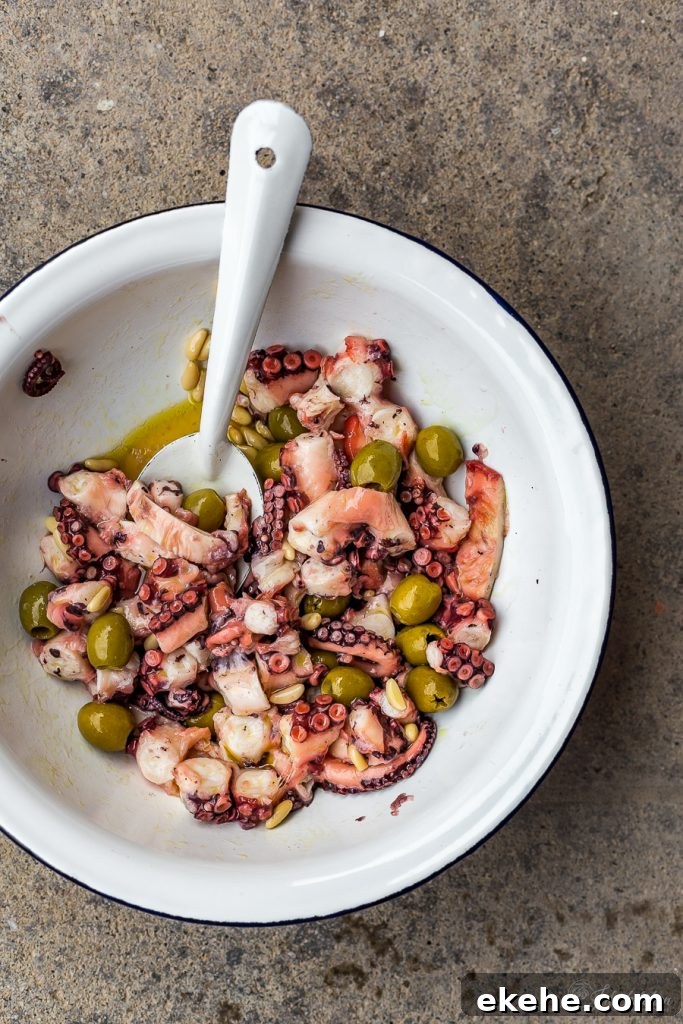
Octopus salad with olives and pine nuts
An octopus salad with olives and pine nuts works as a bright, uncomplicated starter for a festive fish menu. Boiled octopus, tangy green olives and toasted pine nuts come together with a light drizzle of fruity olive oil to create a refreshing dish you can prepare in under half an hour.
Anchovy and breadcrumb cake
Anchovies are affordable, sustainable and flavorful. They make an excellent base for a flavorful anchovy and breadcrumb cake—an economical and tasty starter for a seafood feast. Keep seasonality in mind when choosing fish.
First courses
Butternut squash risotto with clams
This risotto pairs sweet butternut squash with salty clams. The result is a surprisingly harmonious contrast: generous clams add a briny counterpoint and a striking color contrast with the orange risotto. Make it simply with extra virgin olive oil and garlic for a light but creamy first course.
Main dishes
Sweet and sour salt cod
Baccalà in agrodolce—salt cod with raisins and pine nuts—is a Livornese recipe that blends humble ingredients, tomato and foreign influences into a comforting, flavorful dish that reflects the city’s maritime culinary character.
Sea bream with lemon, bergamot and sandy potatoes
An inspiration rather than a strict recipe: oven-roast a whole sea bream lined with lemon and bergamot slices, scatter sliced red potatoes around it and top with a mixture of breadcrumbs, pistachios and fennel fronds. Drizzle with olive oil, season with salt and pepper and roast at 200 °C until cooked through—timing depends on the fish size (a 1 kg sea bream takes about 35 minutes).
Side dishes
Spinach flan
A spinach flan makes a comforting side dish that pairs well with oven-roasted fish, offering a creamy, savory contrast.
Fennel and orange salad
A shaved fennel salad with orange segments, briny olives and a simple dressing of olive oil, orange juice, salt and pepper is a seasonal, refreshing accompaniment that brightens up any seafood feast.