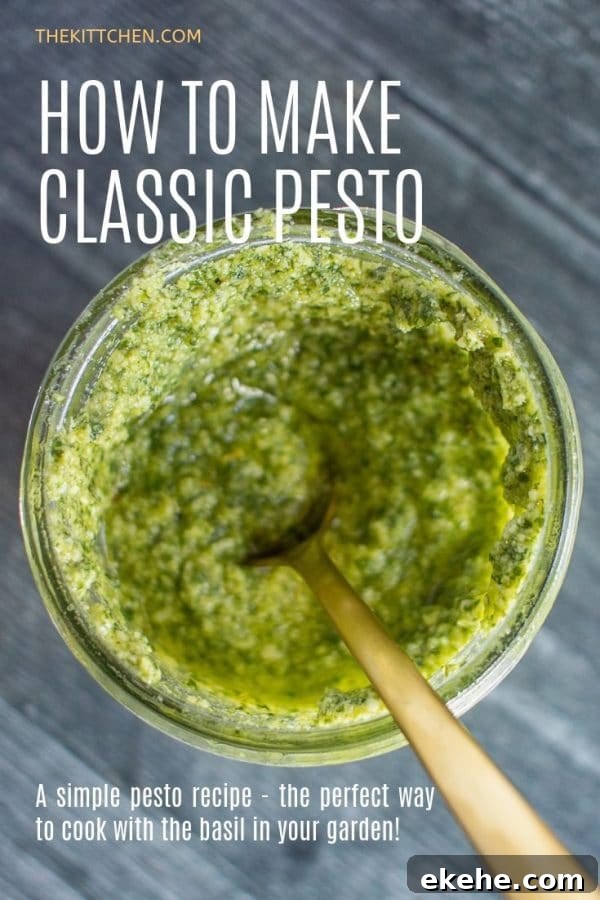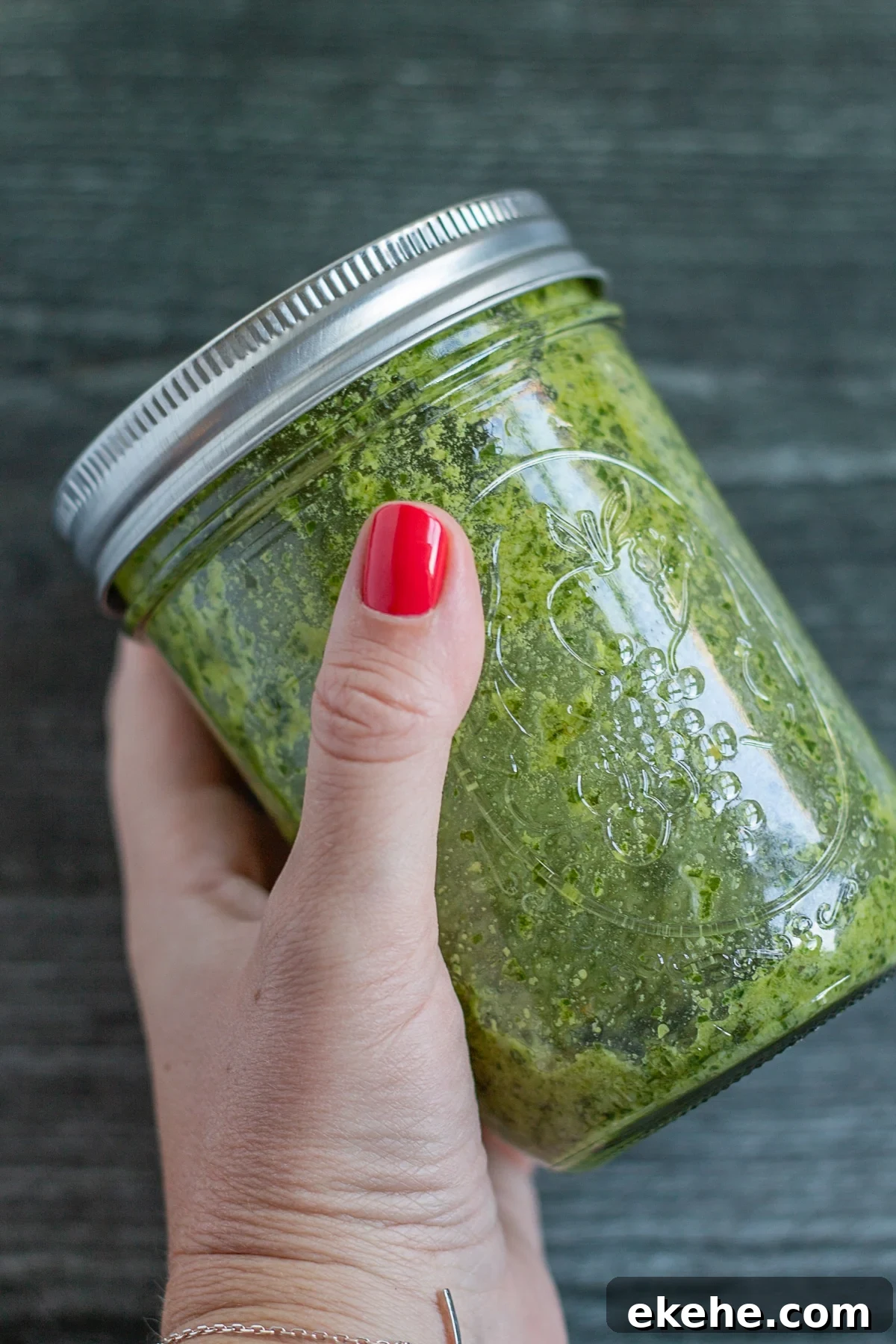
Learn how to make pesto with this super simple classic pesto recipe.
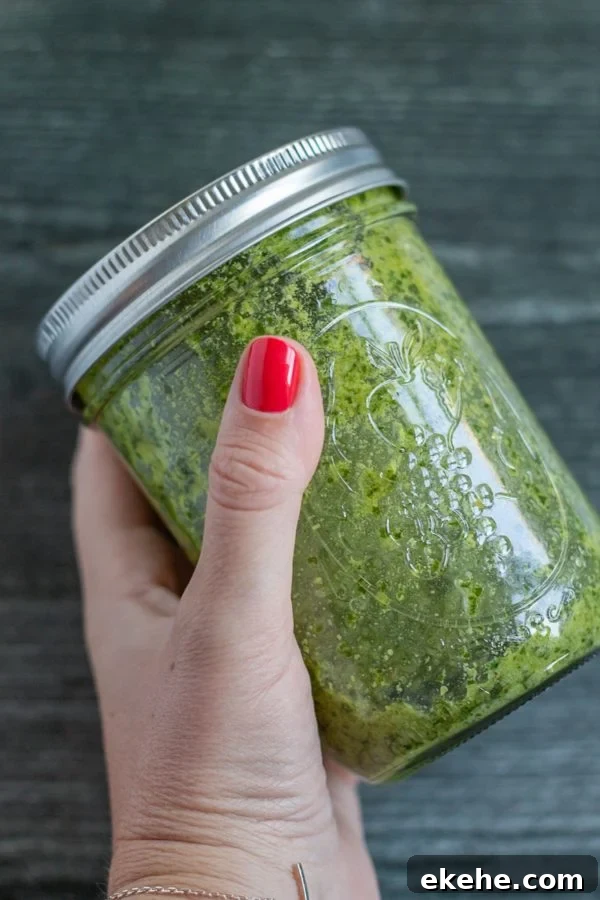
Do you have a basil plant that is growing out of control? Make pesto. It’s quick—ready in about five minutes—and you can scale the recipe to make as much or as little as you need.
Basil is an easy herb to grow and often produces more leaves than we can use. If your plant is prolific, turning the excess into pesto is a delicious way to preserve the flavor and enjoy it all season.
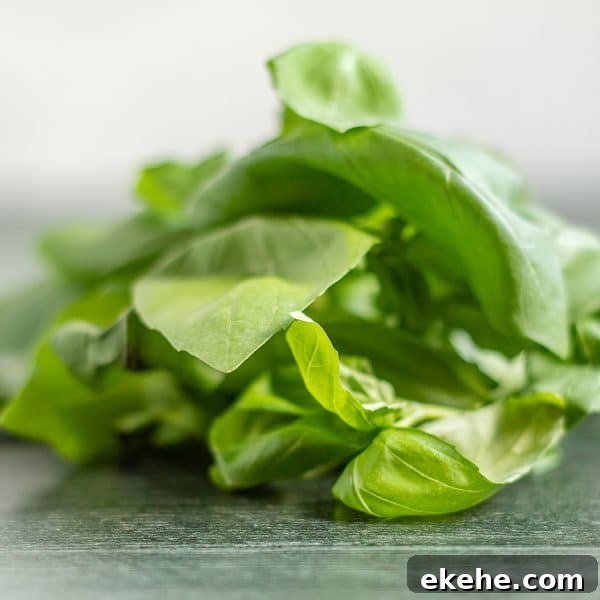
How to Harvest Basil:
Harvest basil before it flowers to avoid bitterness. Regular pruning prevents blooming and encourages the plant to produce more leaves. When you prune, work from the top down and leave the two sets of leaves at the base of each stem so the plant can continue to grow.
The best time to harvest is on cool, dry mornings when the leaves are fresh and flavorful. Remove any blossoms as soon as they appear to keep the foliage tasting sweet rather than bitter.
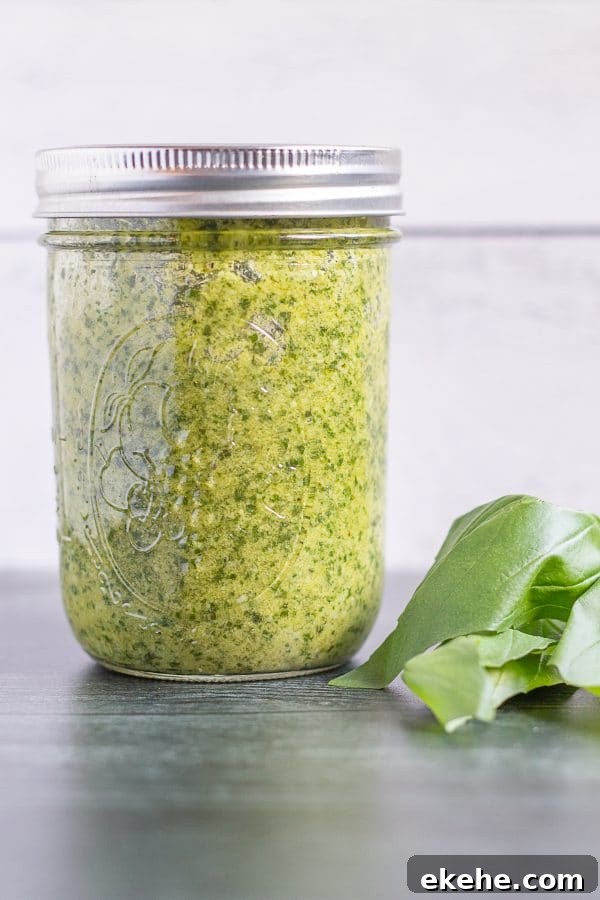
How to Freeze Pesto:
Pesto freezes well. Spoon it into an ice cube tray for small portions you can toss into sauces or soups, or pack larger amounts into freezer-safe containers or bags. Frozen pesto cubes are ideal for cooking for one or whenever you want a quick burst of basil flavor.
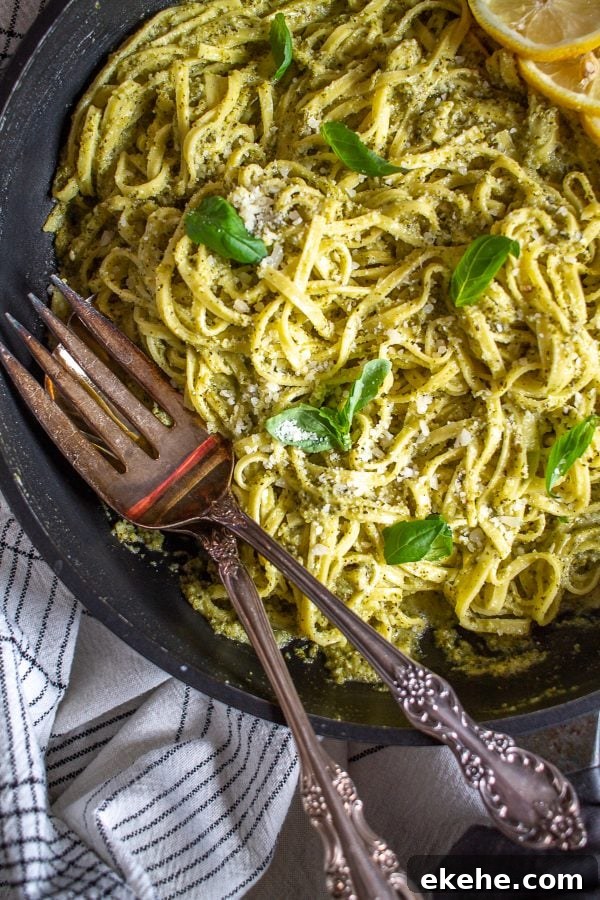
How to Make Pesto:
Toasting pine nuts enhances their flavor, so I usually toast them for a minute or two before adding them to the pesto, but raw pine nuts work fine if you prefer. If you have a nut allergy, omit the nuts entirely—the pesto will still be delicious.
Classic Pesto Recipe:
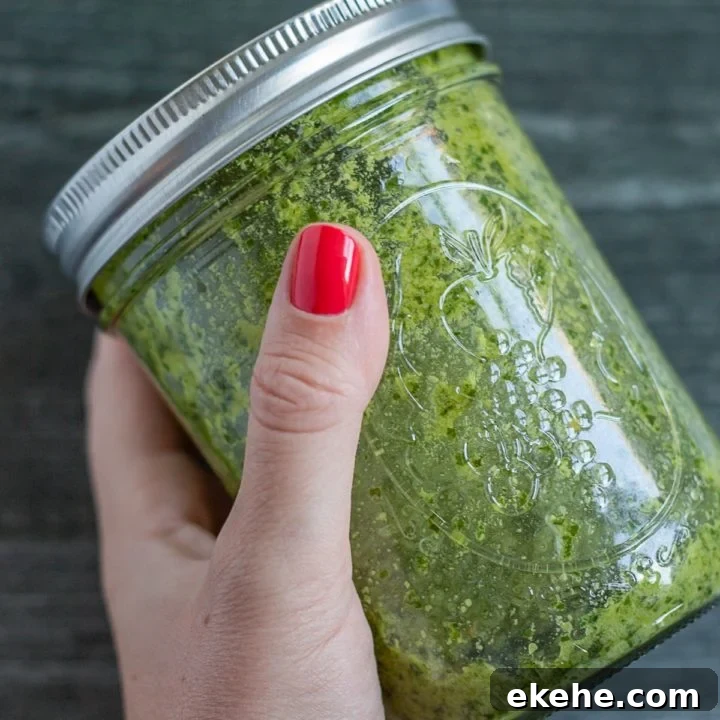
How to Make Pesto
My classic pesto is made with fresh basil, garlic, toasted pine nuts, olive oil, Parmesan, and a touch of lemon juice, salt, and pepper.
Ingredients
- 2 ½ cups fresh basil
- 3 cloves garlic
- 1 cup grated Parmesan
- about ½ cup plus 1 teaspoon olive oil
- ¼ cup pine nuts
- 2 tablespoons lemon juice
- about ½ teaspoon sea salt
- about ¼ teaspoon ground black pepper
Instructions
- Toast the pine nuts: drizzle 1 teaspoon olive oil into a skillet over medium-low heat. Add the pine nuts and stir constantly for 1–2 minutes until they turn golden. Remove them from the skillet immediately to prevent burning and let cool.
- In a food processor, pulse the basil and garlic until broken down. Add the Parmesan, cooled pine nuts, and lemon juice and pulse to combine.
- With the processor running, slowly stream in the olive oil until the pesto reaches your desired consistency. Season with salt and pepper to taste.
- Use the pesto right away or freeze portions for later use.
Notes
I prefer a thicker pesto, but add more olive oil if you’d like a thinner texture.
Save and share these instructions for how to make pesto for later: