This website uses affiliate links that may earn commission from purchases. This is at no additional cost to you.
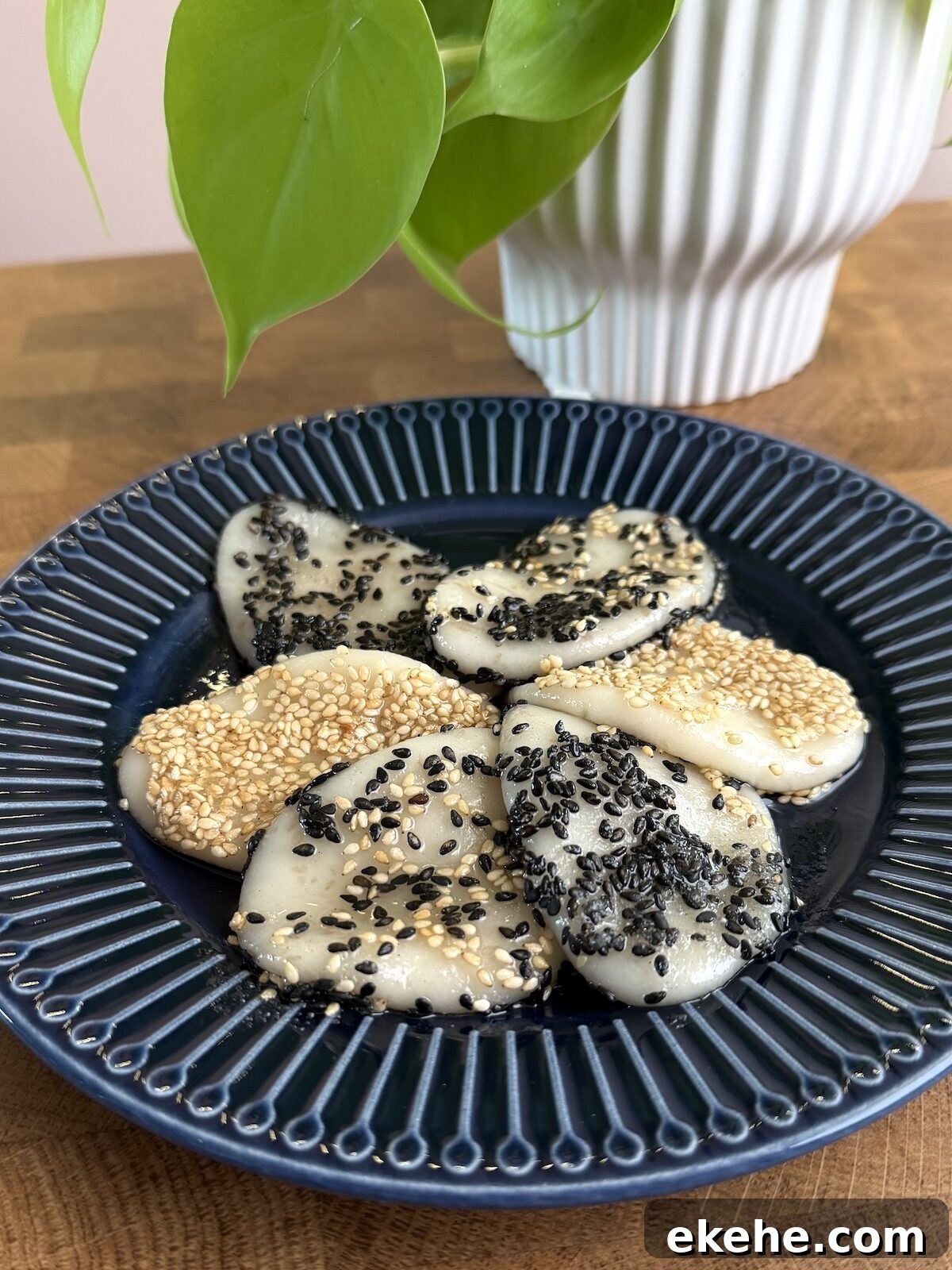
This is the easiest kakanin (Filipino rice-based dessert) I’ve ever made. I used to make palitaw even before I learned to cook full meals. This quick palitaw recipe is an ideal introduction to simple kakanin desserts. Below I also share my favorite topping: sweet sesame seeds.
What is Palitaw?
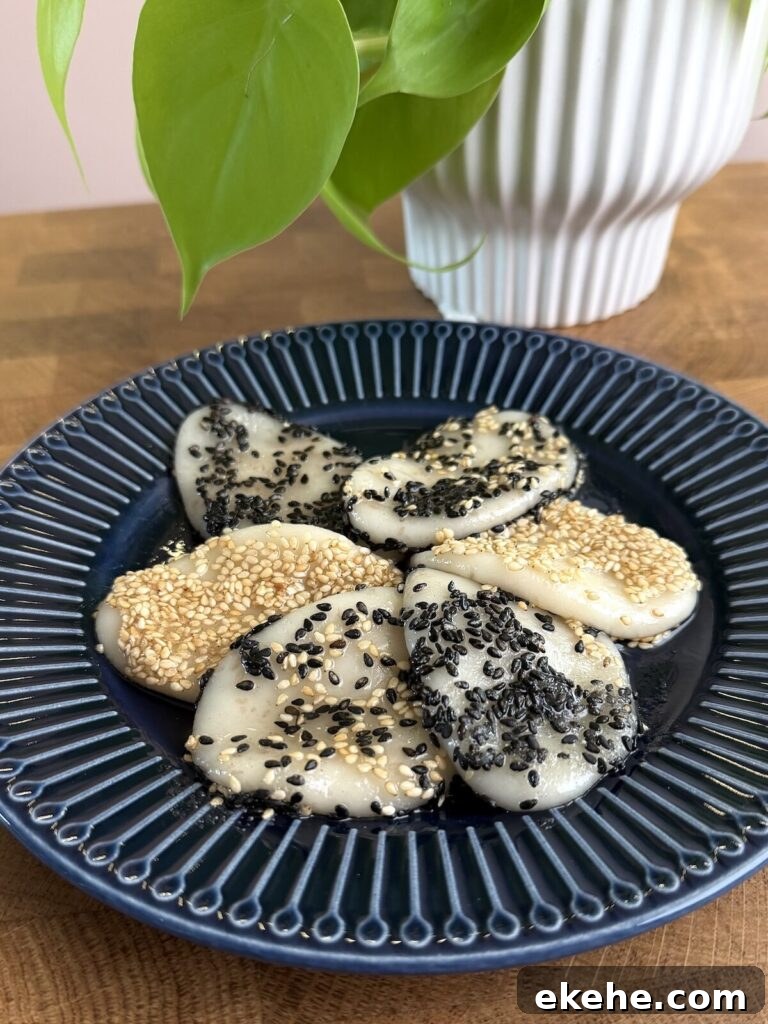
Palitaw is a simple Filipino street snack. Its name comes from the Filipino word litaw, which means “to float,” referring to how the rice cakes are cooked—dropped into boiling water until they rise to the surface. The result is soft, chewy discs similar in texture to Japanese mochi. Traditional palitaw dough usually contains no sugar; sweetness comes from the toppings, giving you freedom to choose the flavor profile.
Ingredients for Palitaw
The dough is made from glutinous rice flour and water. Use glutinous (sweet) rice flour—regular rice flour will not produce the same sticky, chewy texture. Mochiko (Japanese sweet rice flour) works as a substitute. For toppings, you can use anything from granulated sugar and sesame seeds to coconut, peanut, or syrup. The toppings listed in this recipe are my personal favorites.
Tips for Perfect Palitaw
Getting the dough consistency right is the most important step. Different brands of glutinous rice flour absorb water differently, so add water gradually until the dough is pliable—neither crumbly nor overly sticky. Shape each piece to a similar size and thickness so they cook uniformly. The photos in this post show the ideal texture and portion size.
How to Make Palitaw (Step by Step)
For the full ingredient measurements and exact steps, see the recipe section below.
Palitaw is extremely simple: mix glutinous rice flour with salt and water, shape the dough into small discs, boil until they float, then coat with your preferred topping.
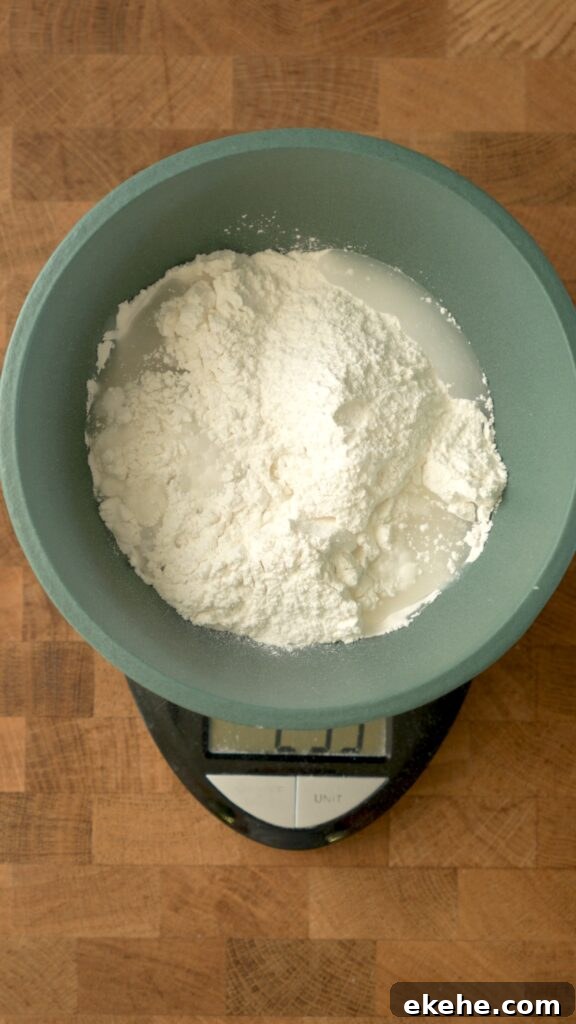
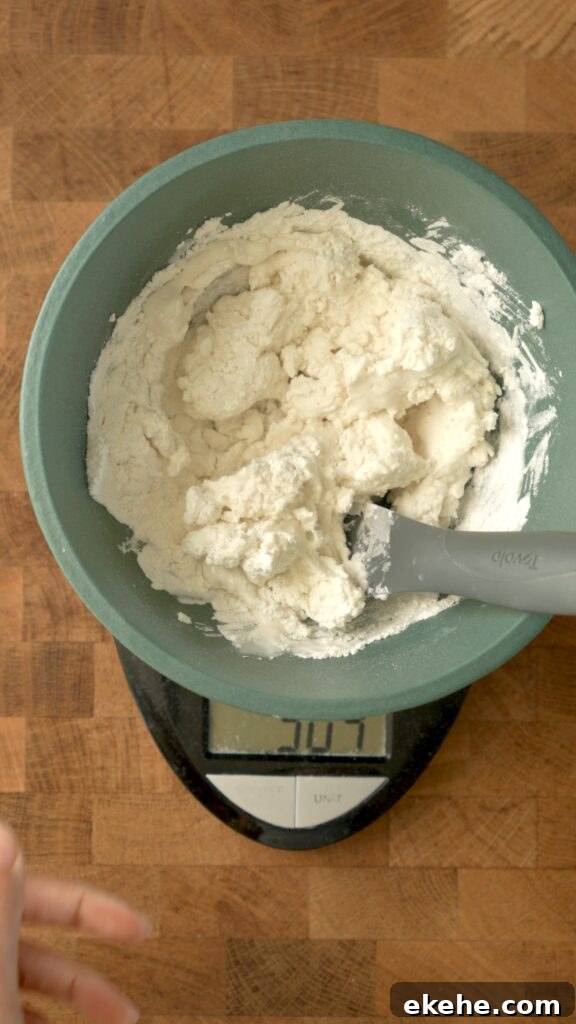
Combine glutinous rice flour, a pinch of salt, and water and mix until uniform. The images above show the beginning and middle stages of mixing.
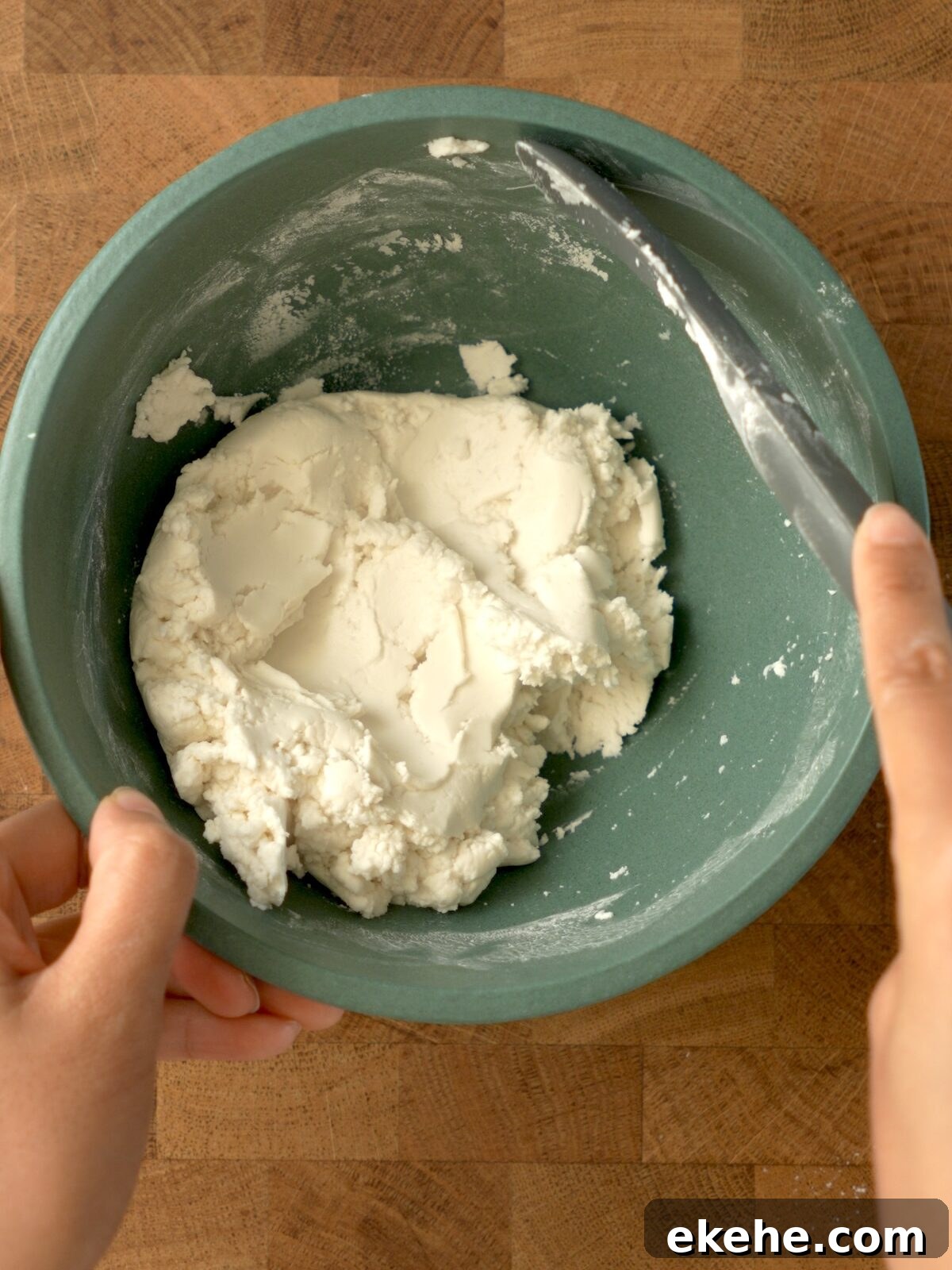
The dough should be smooth and pliable. If it’s too dry, add a little more water; if too wet, add a bit more flour. Small adjustments are normal as brands differ.
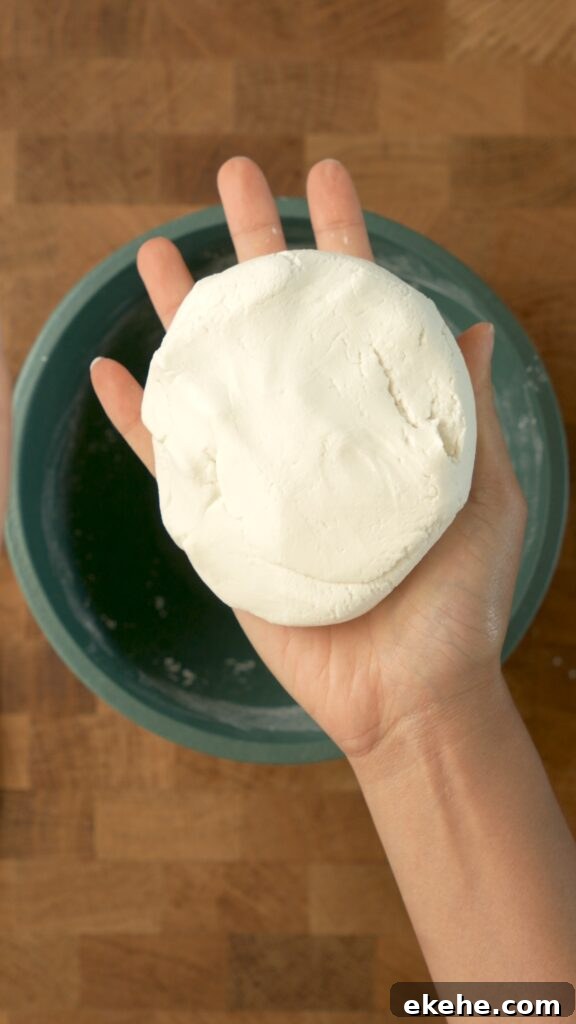
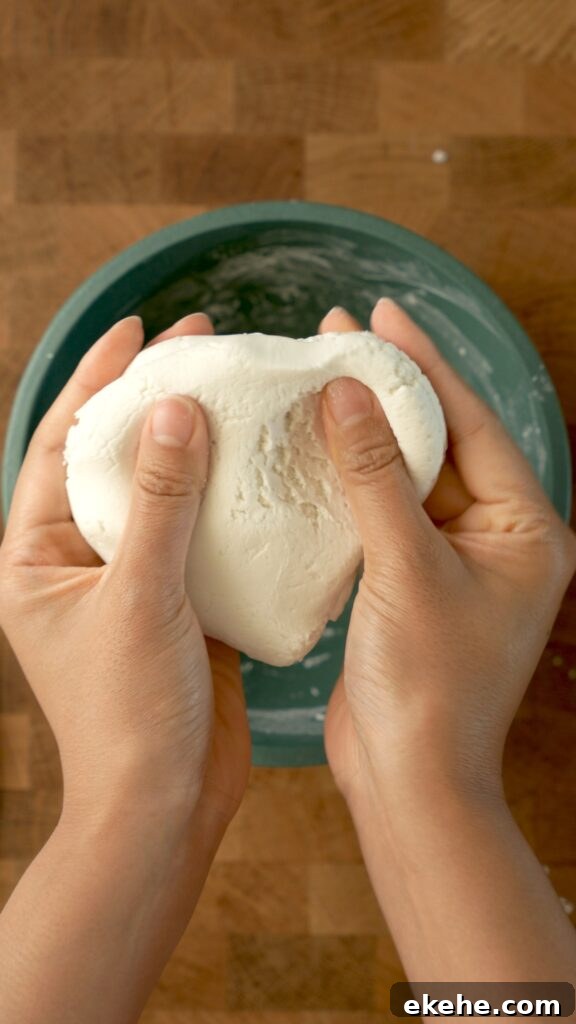
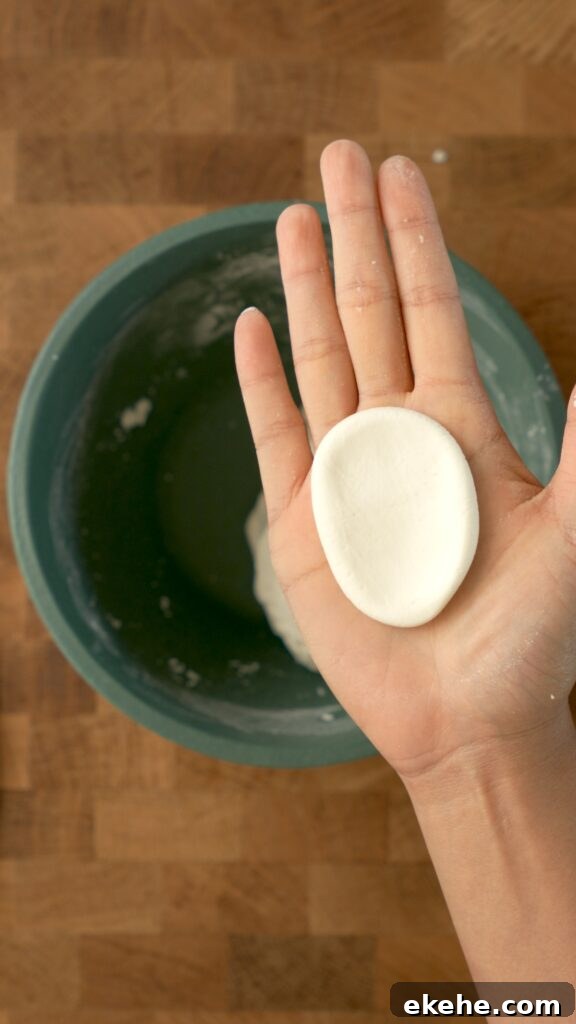
Portion the dough and shape into small flattened discs. The middle photo shows tearing off a piece to shape; the texture should look cohesive and soft.
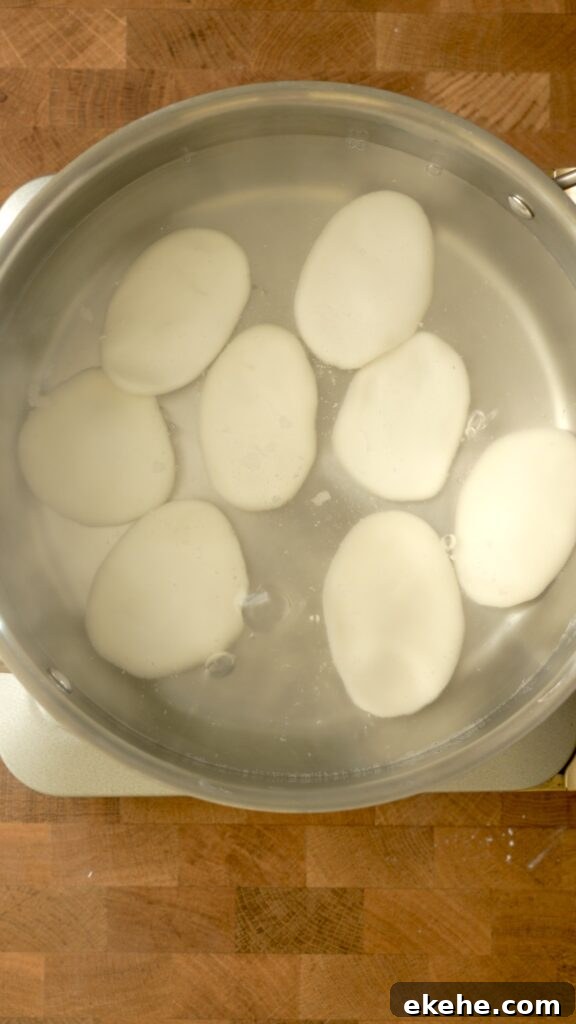
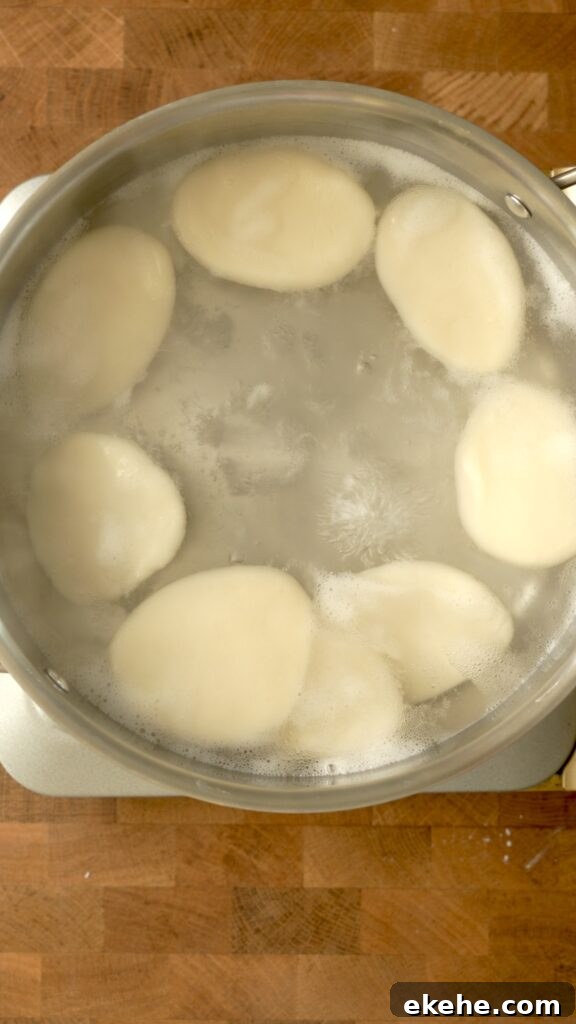
Drop the discs into boiling water. They will sink briefly, then float when cooked—remove them as soon as they reach the surface.
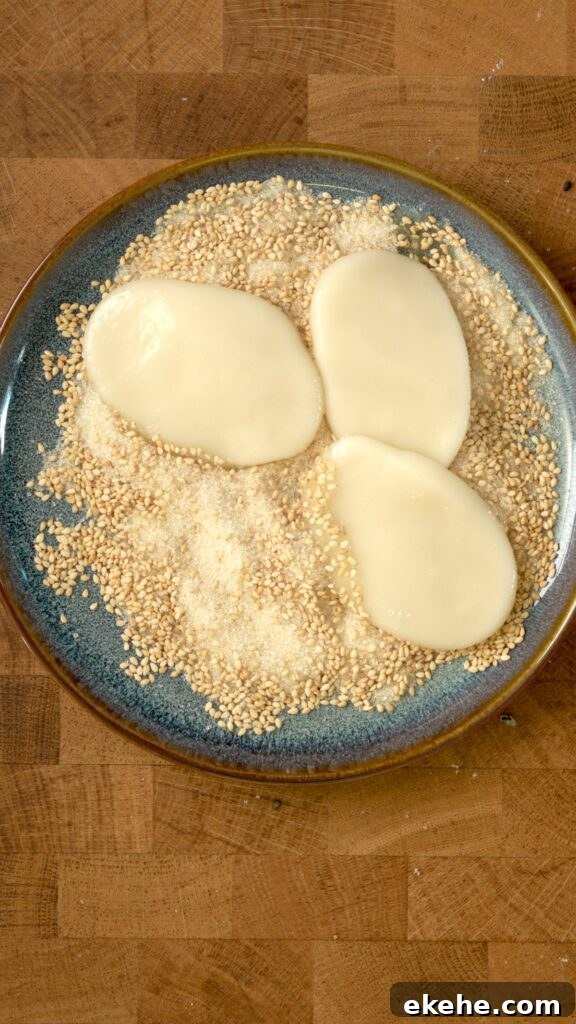
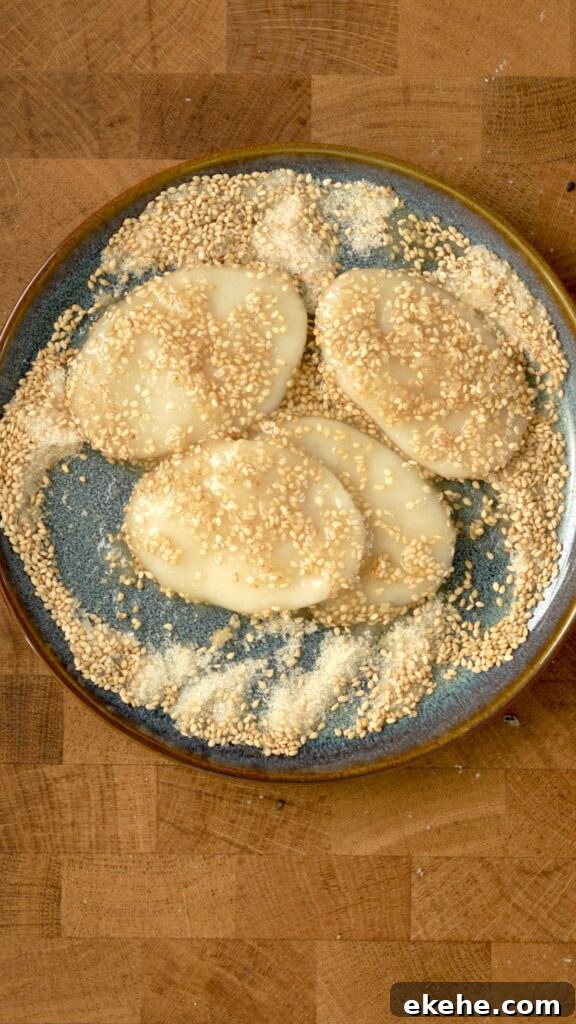
While still warm, dredge the palitaw through a mixture of granulated sugar and sesame seeds so the topping adheres well.
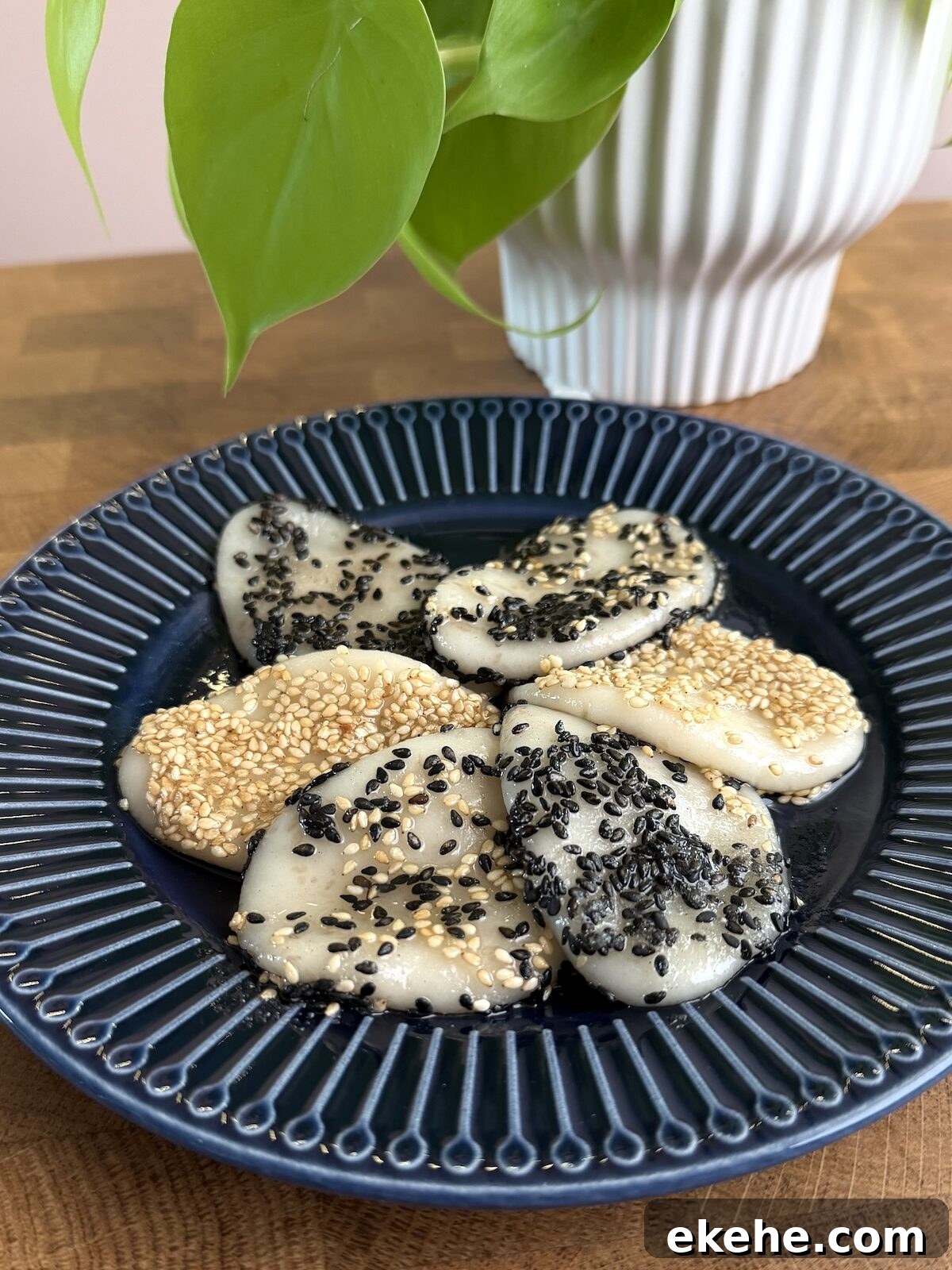
Serve immediately and enjoy this comforting Filipino snack.
Variations of Palitaw
The classic version I grew up with is topped with sugar and sesame seeds. To vary things, I sometimes color and flavor the dough with ube or pandan extract for purple or green palitaw. Other popular toppings include shredded coconut, crushed peanuts, peanut butter, kinako (roasted soybean powder) with kuromitsu syrup, or sweet coconut milk. For a modern twist, try spreads like Biscoff or Nutella, or use black sesame paste for deeper flavor.
FAQs
The name comes from the Filipino word litaw, meaning “to float.” The rice cakes are called palitaw because they rise to the surface of boiling water when they’re cooked.
Palitaw is made with glutinous rice flour (also called sweet rice flour). This gives it a soft, chewy texture. Regular rice flour will not produce the same result.
Yes. Although grated coconut is traditional, palitaw can be rolled in roasted sesame seeds or crushed peanuts, or drizzled with syrup or chocolate.
Yes. Palitaw is naturally gluten-free because it’s made from glutinous rice flour, which contains no gluten; “glutinous” refers to its sticky texture, not gluten content.
Both are chewy rice cakes, but palitaw is boiled and typically coated with sugar and toppings, while mochi is often steamed or pounded and frequently filled.
Recipe
Last updated October 2025
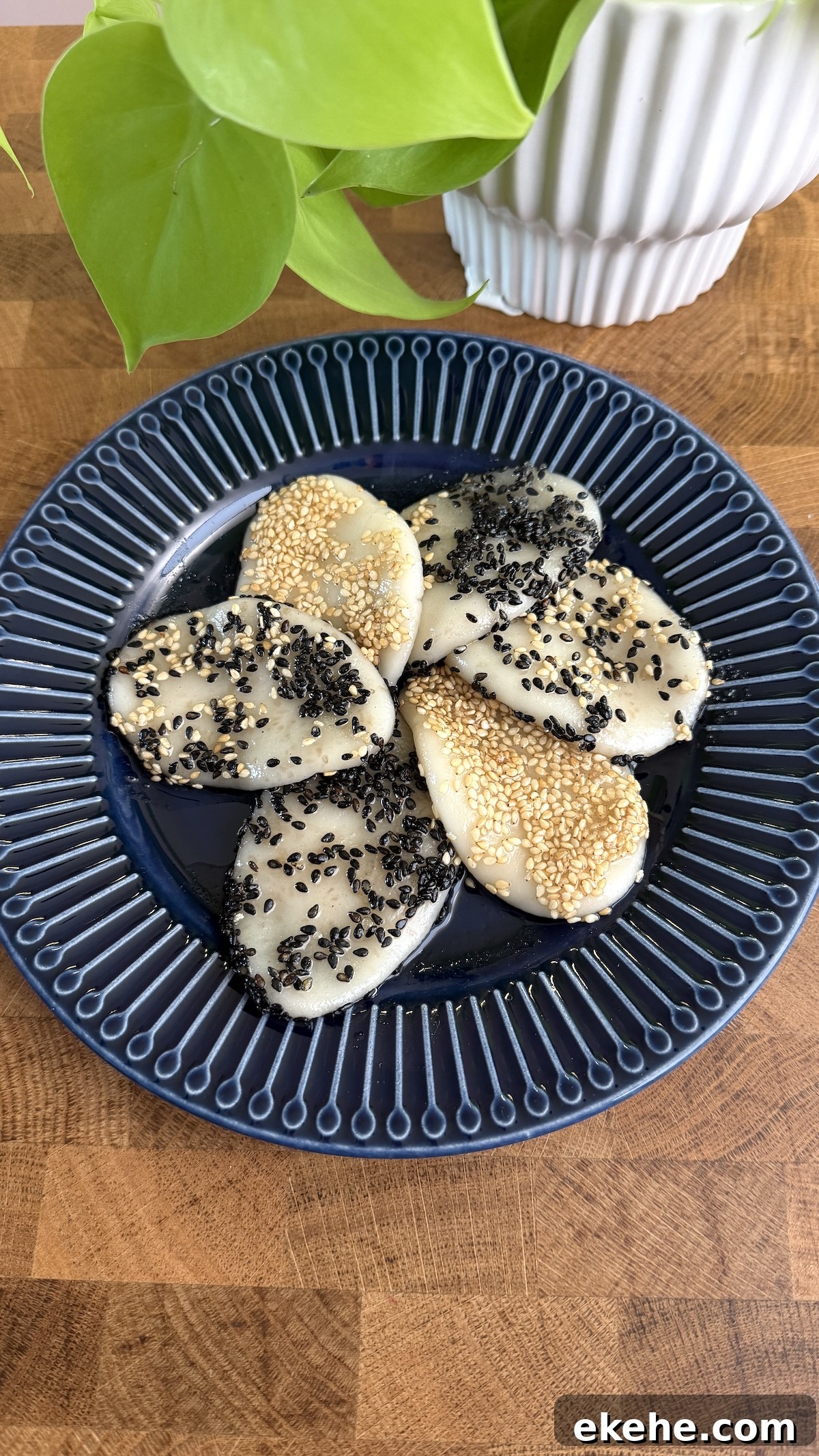
Palitaw
Ingredients
- 1 cup (120 grams) glutinous rice flour
- pinch of salt
- ½ cup water
- ¼ cup granulated sugar muscovado sugar is even better
- 2 tablespoons white sesame seeds use black sesame seeds if you want a more intense sesame flavor
Method
-
In a medium bowl, combine the glutinous rice flour, salt, and water. Mix until smooth. Adjust water as needed—different flours absorb differently. The photos show the desired consistency.
-
Bring a pot of water to a rolling boil—enough for the palitaw to sink and then float.
-
Shape the dough into small flattened discs or your preferred shape.
-
Gently drop the discs into boiling water, stirring briefly so they don’t stick to the pot bottom.
-
When a palitaw floats, remove it from the water and set it aside.
-
On a small plate, mix the sugar and sesame seeds. While the palitaw are still warm, dredge them through the mixture so the topping sticks.
-
Serve immediately and enjoy.
Other Recipes You’ll Love
This is one of many kakanin desserts. I also have recipes for kutsinta (a steamed rice cake), puto (a fluffy rice cake often topped with cheese), and my favorite, biko (a caramelized sticky rice served on banana leaves). If you want Filipino-inspired treats beyond rice desserts, try ube crinkle cookies or pandan crinkle cookies.