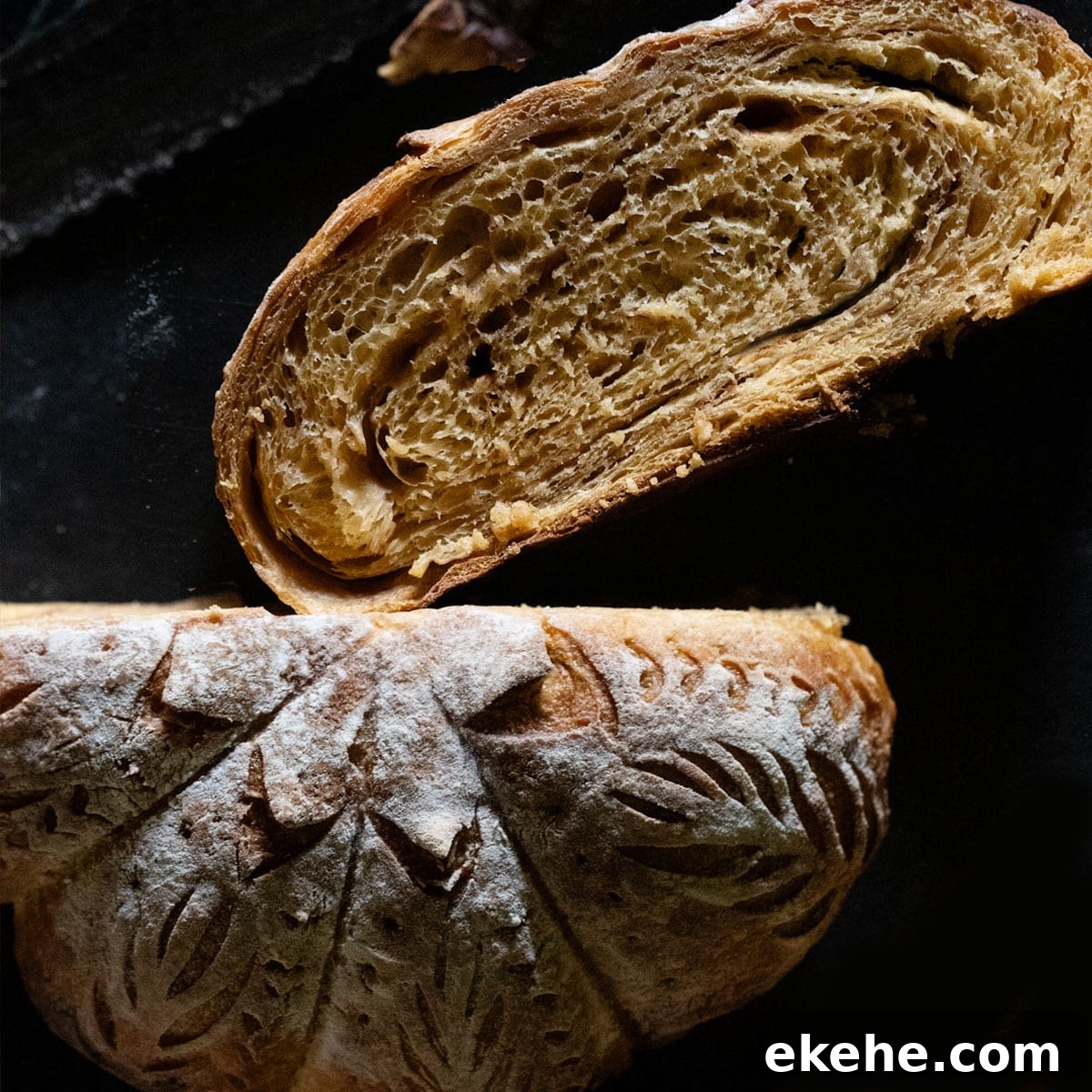
She’s crisp yet soft and unbelievably fragrant — a pumpkin sourdough loaf with a cinnamon-sugar swirl.
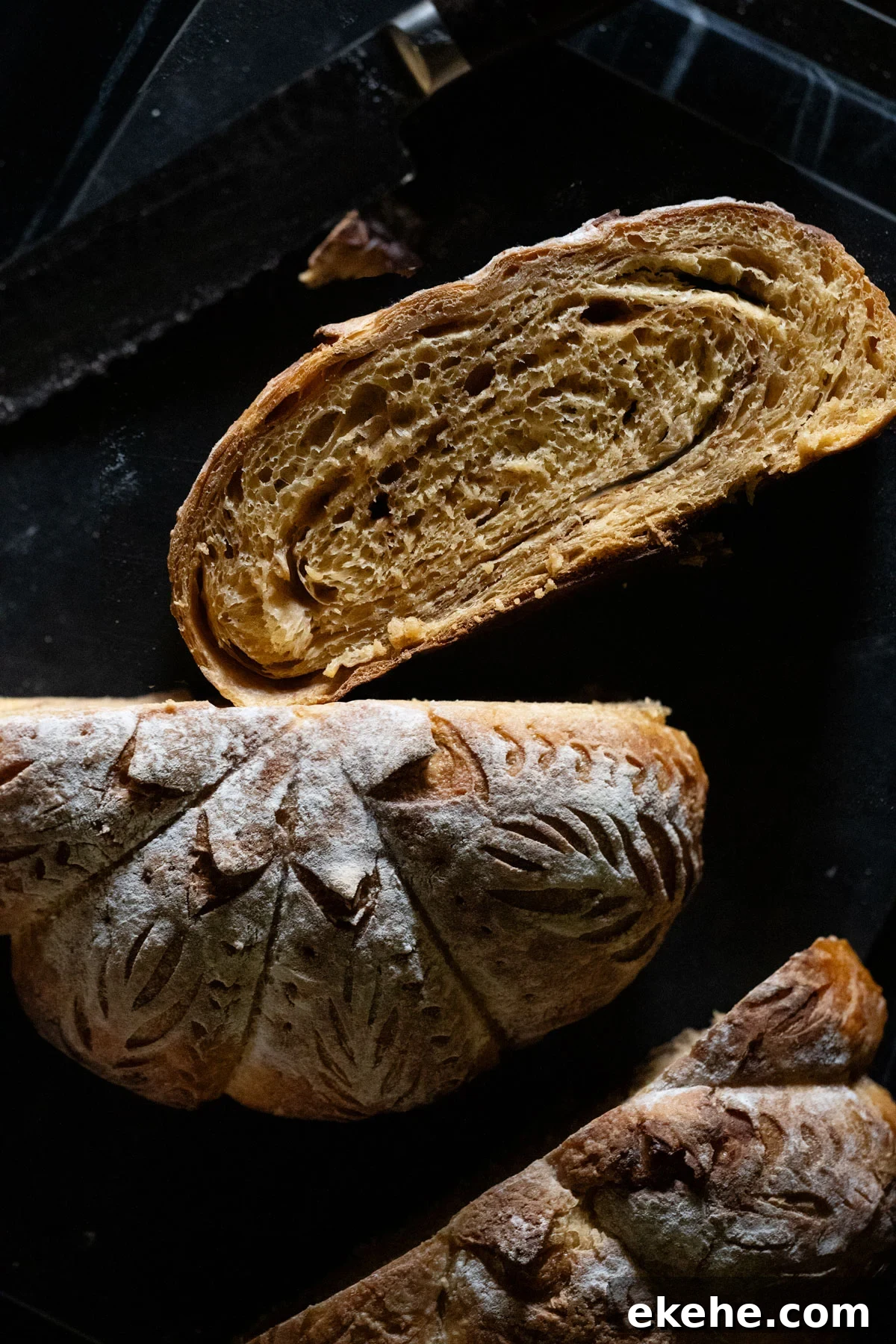
Pumpkin Sourdough Bread 🍂
with a cinnamon sugar swirl!
This is a must-make sourdough loaf when you want cozy, autumn vibes. It’s very lightly sweetened with honey, so it works beautifully with both sweet and savory pairings — from apple butter on toast to a rich grilled cheese with smoked gouda and sage butter.
My top tip: stay nearby while the loaf bakes to enjoy the full sensory experience (and, if you like, pair it with a warming hot toddy).
Laminating the cinnamon swirl
Before laminating with the cinnamon sugar and shaping, the dough should have at least doubled during the first bulk fermentation. I often let mine approach a triple rise because a slightly over-proofed sourdough can yield a softer crumb and be easier to digest. Pumpkin puree can slow gluten development, so the dough will often be a bit shaggier and more fragile during stretch-and-folds. That’s normal — use a strong bread flour and, if you prefer, replace 10% with rye for added character.
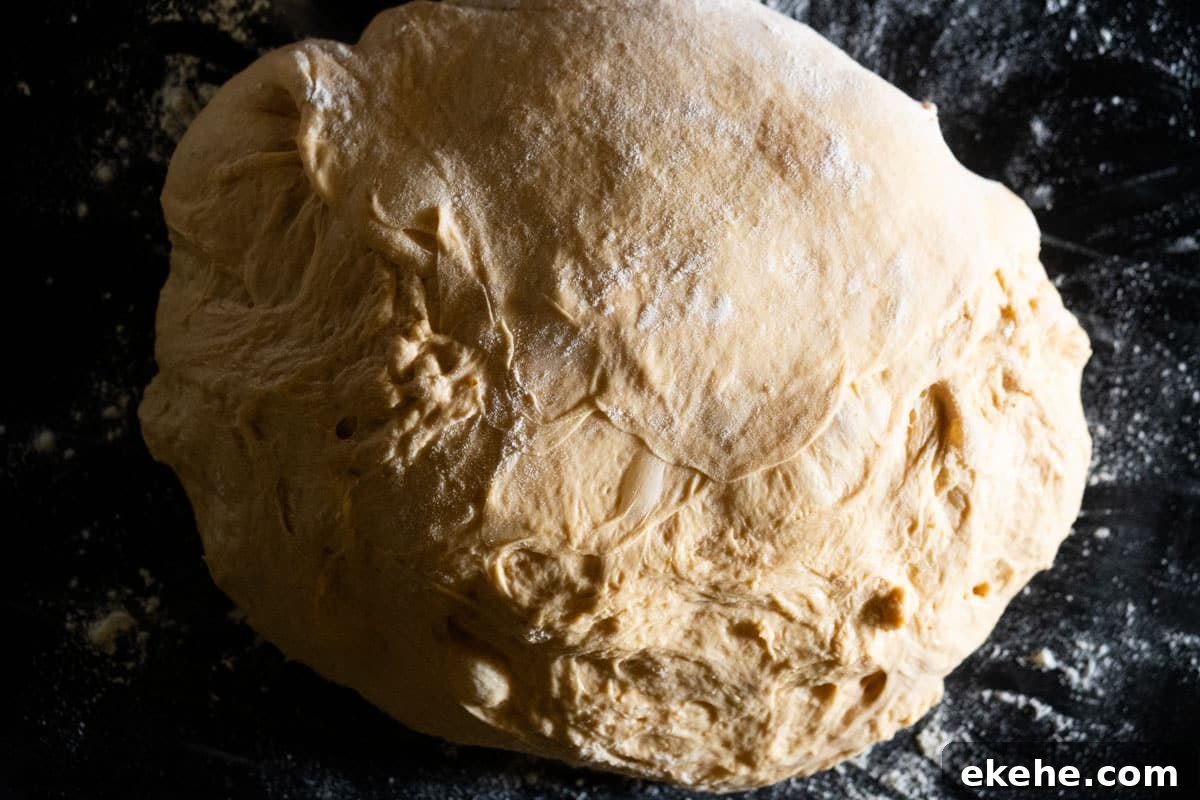
1. Laminate the dough
On a very lightly floured surface, gently stretch the dough. If it resists, let it rest 10–15 minutes and try again. Sprinkle a generous layer of cinnamon sugar (or plain cinnamon or pumpkin spice if you prefer). The sweetness is optional but delicious.
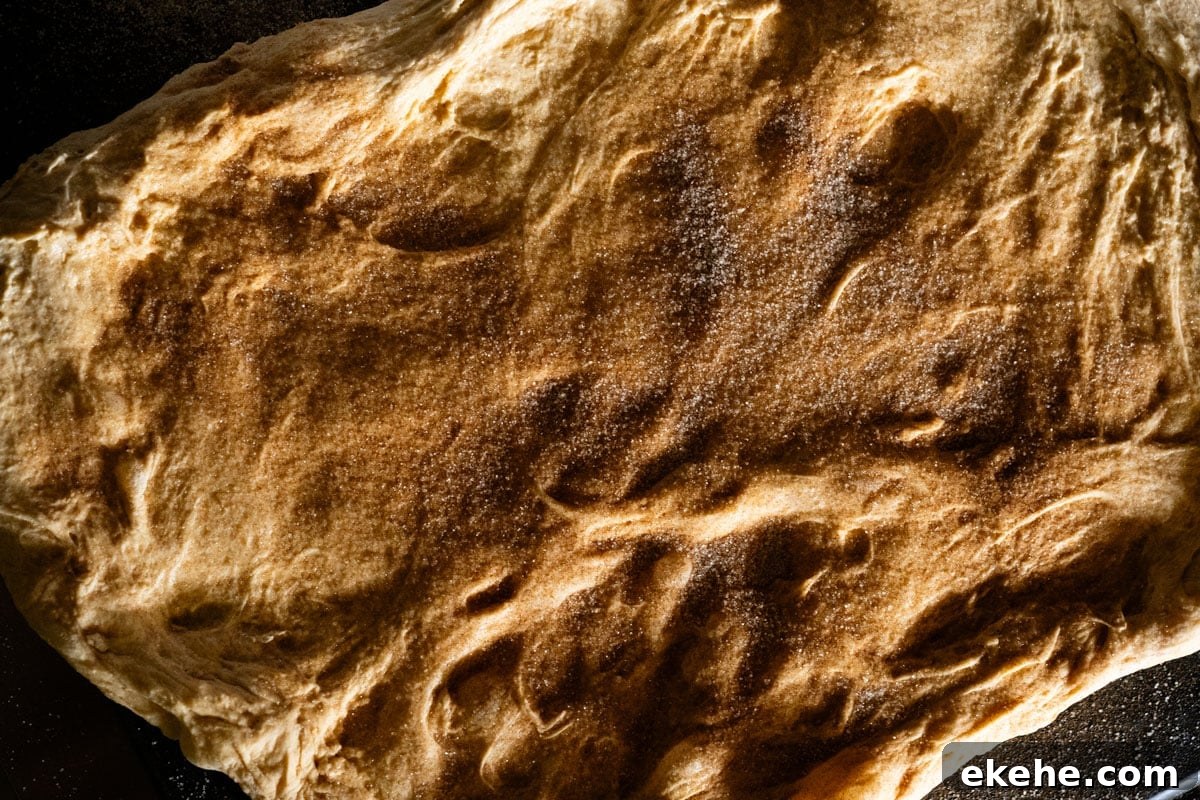
2. Fold it
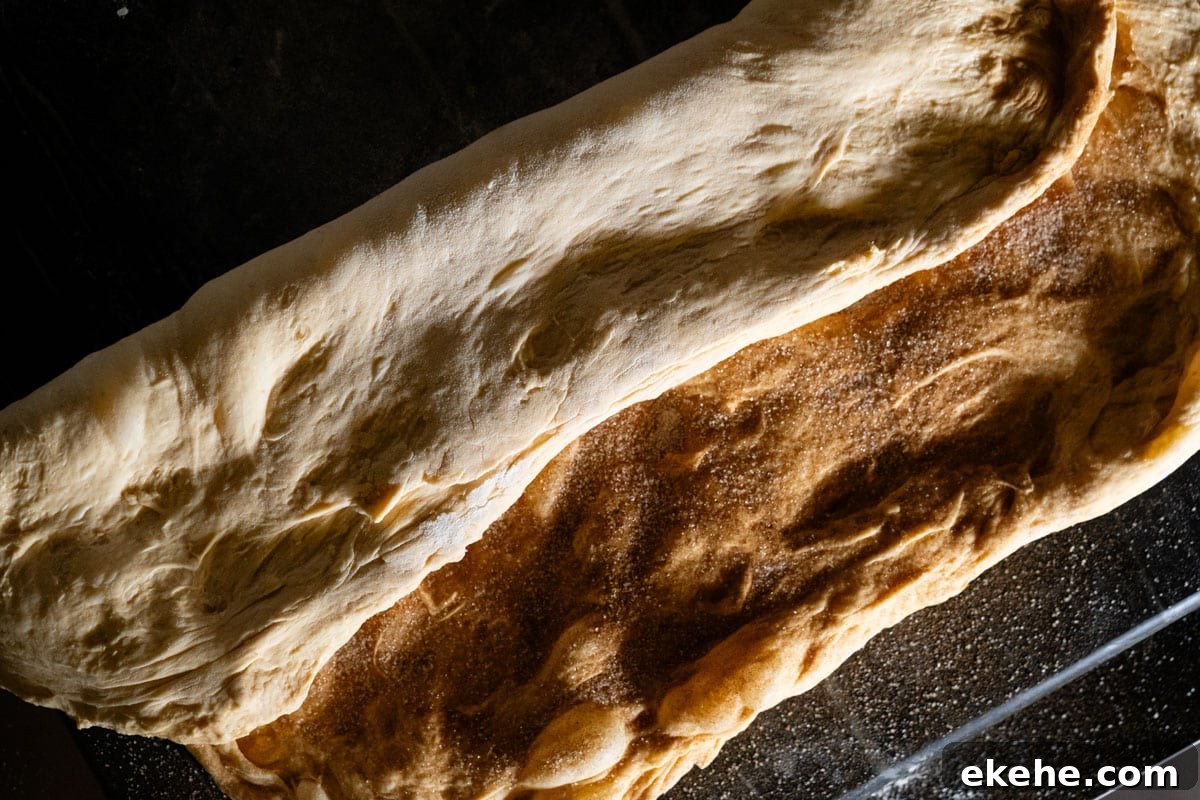
3. Fold it again
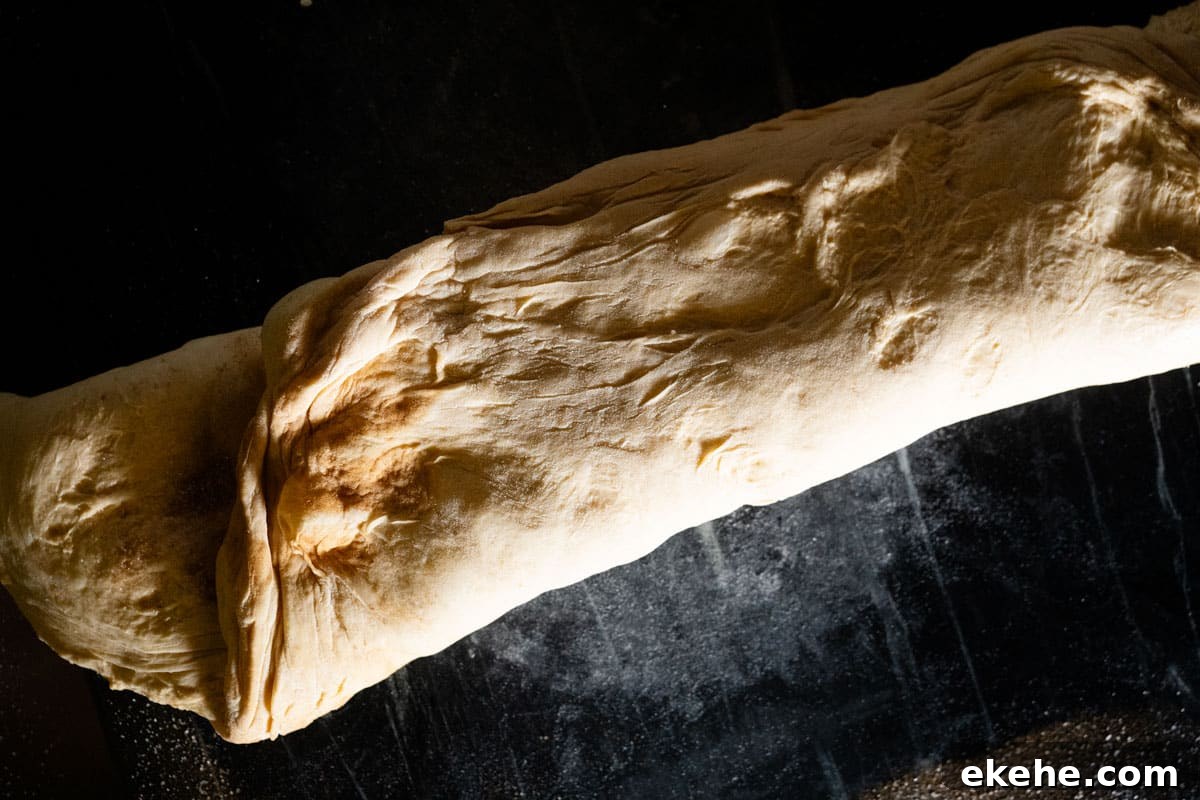
4. Add a touch more cinnamon and roll it up
Roll the loaf as tightly as you can with minimal extra flour. Creating surface tension is key for a crisp, bubbly crust. After shaping, place the loaf into a very well-floured banneton and proof in the refrigerator for at least 6 hours and up to 24 hours. Because pumpkin and honey speed fermentation, try not to over-extend the cold proof. You can also proof at room temperature, but chilled dough is easier to score cleanly — a short chill of one hour can make scoring less tricky.
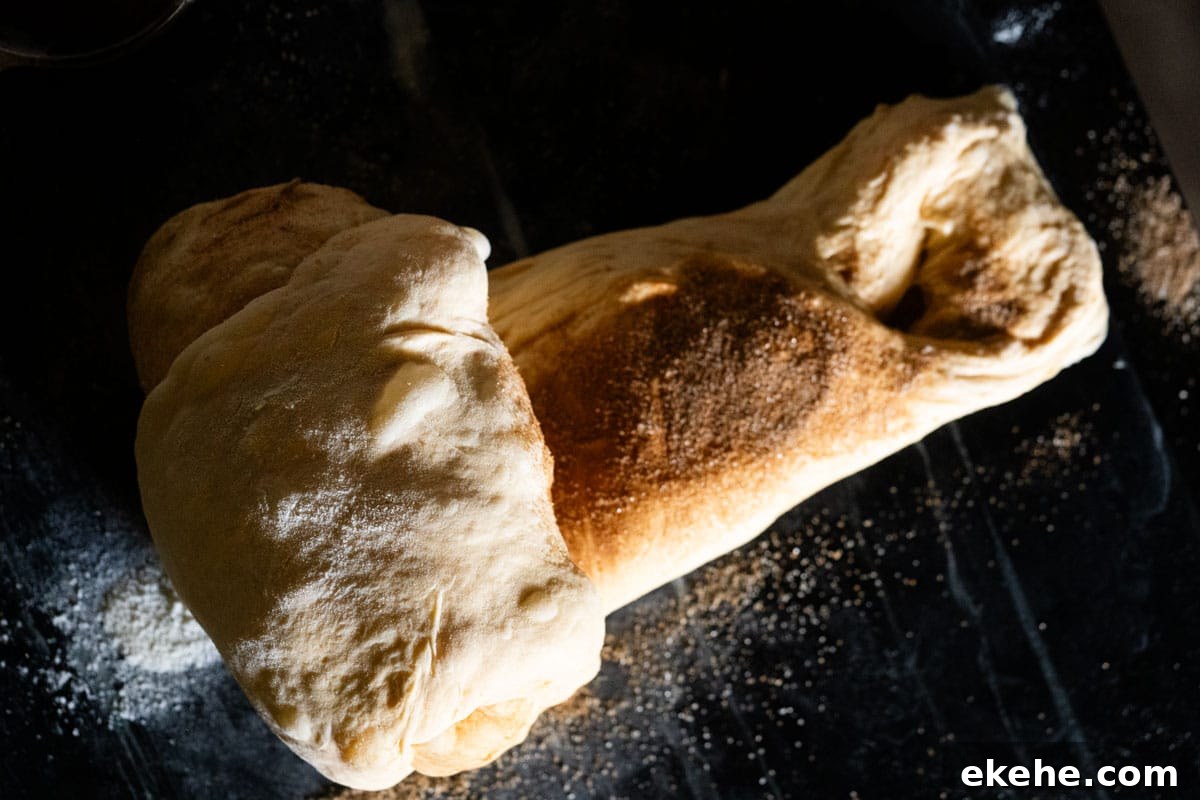
5. Shape it and bake
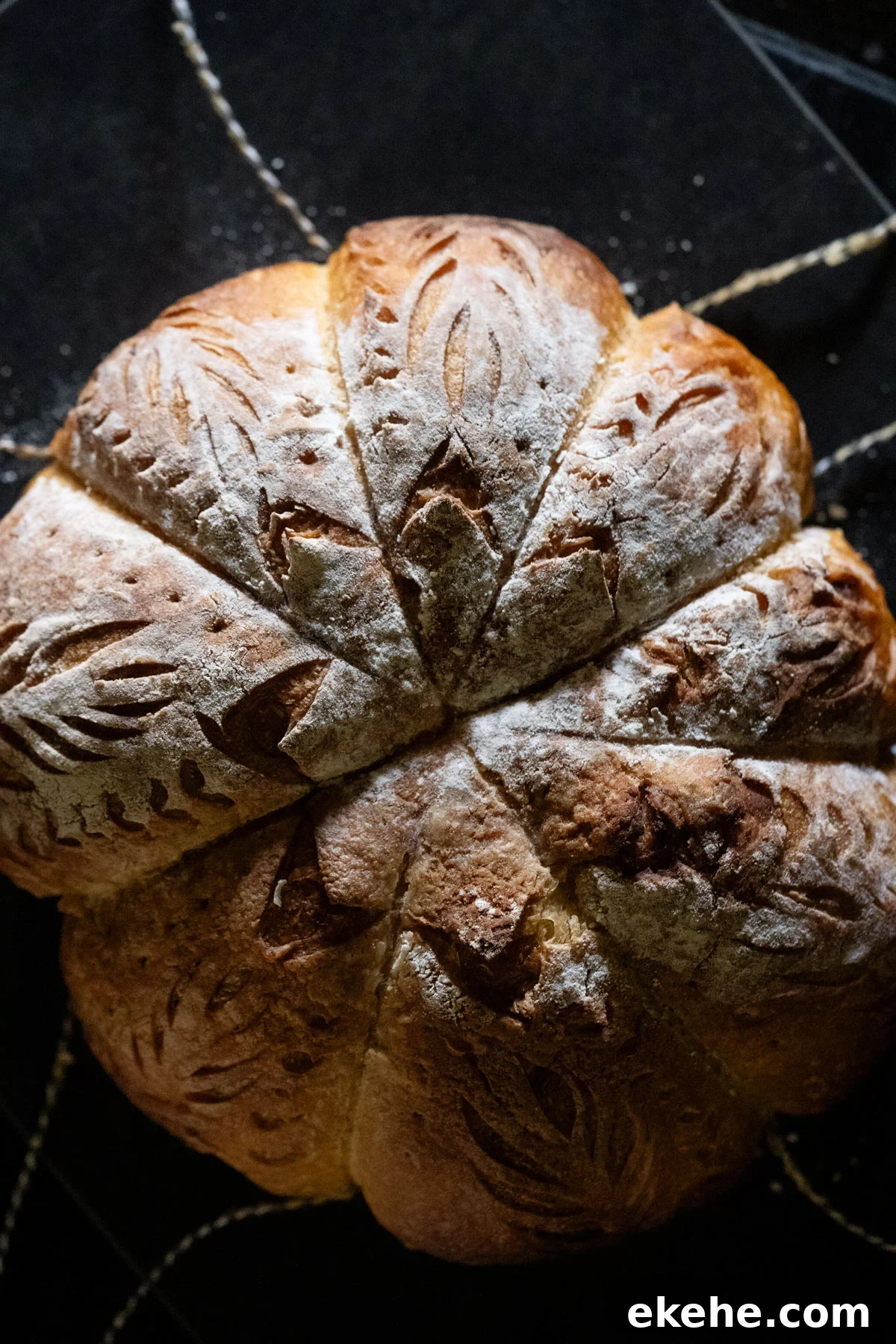
For a festive finish, shape the loaf like a pumpkin using baker’s twine. Rub a little oil on the twine first so it won’t stick to the crust. This simple shaping step gives the loaf a beautiful, seasonal look.
xo! Paola
The video story 📹

Pumpkin Sourdough Bread (with a cinnamon swirl!) 🍂
Pin Recipe
Equipment
-
baker’s twine
-
Dutch oven or cast-iron pot for baking
Ingredients
- 250 g spring water
- 200 g pumpkin puree
- 100 g active starter
- 50 g raw honey
- 500 g strong bread flour*
- 7 g sea salt
For the cinnamon sugar swirl
- 2 tablespoons cinnamon
- 1/4 cup sugar (optional)
Instructions
Feed your starter
- Add roughly 50 g of flour to feed your starter so you have 100 g of active starter for the recipe. If your starter is small or taken from the fridge, feed it once or twice until it’s strong and active.
- Mix in spring water until the starter resembles a thick pancake batter. A 100% hydration (equal grams of water and flour) works well; reduce hydration slightly in very warm conditions for stability.
- Let the starter rest 3–6 hours in a warm spot until doubled. Use the float test to check activity — an active starter should float in water.
3–6 hours later: make the dough
- Combine the water (room temperature), pumpkin puree, active starter, and honey in a large bowl. Mix by hand until incorporated.
- Add the flour and salt and mix until the dough is shaggy and sticky.
- Cover with a towel and let rest 30 minutes.
30 minutes later: bulk rise with stretch-and-folds
- Perform a set of stretch-and-folds: lift the dough, stretch upward and fold toward the center. Rotate and repeat four times.
- Repeat three more sets every 30 minutes. Pumpkin doughs can need extra time to develop gluten.
- Transfer to a smaller bowl so you can more easily judge rise, cover, and allow to rest 3–10 hours until the dough has at least doubled (or near tripled if you prefer a very soft crumb).
4–8 hours later: shape
- Lightly flour your work surface and turn out the dough. If it resists, let it rest 10 minutes then continue. Stretch gently, sprinkle with the cinnamon sugar, fold the sides in, and roll tightly. Roll the loaf against the counter toward you several times to create surface tension.
- Place the loaf into a well-floured banneton or small bowl, cover, and refrigerate 6–24 hours. Alternatively, proof at room temperature about 2 hours until it springs back to gentle touch.
Bake
- Preheat the oven to 450°F (230°C) with your Dutch oven inside for 20 minutes.
- Wrap the loaf with baker’s twine and score the top. Chilling the dough briefly makes scoring easier.
- Bake with the lid on for 20 minutes, then remove the lid and bake another 20 minutes until deeply golden and sounding hollow when tapped on the bottom.
- Cool completely for the best crumb, or wait 20 minutes if you can’t resist slicing right away. Store the loaf in your Dutch oven or a bread box for best results.
Notes
Whip up this recipe?Comment below or tag @paola.vanderhulst and use #gnomgnomyum to share your loaf!