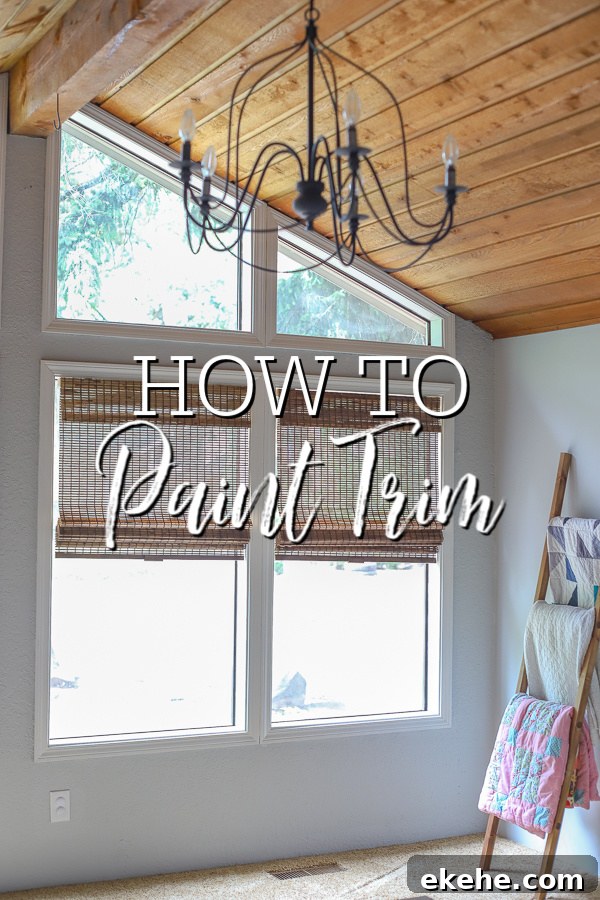
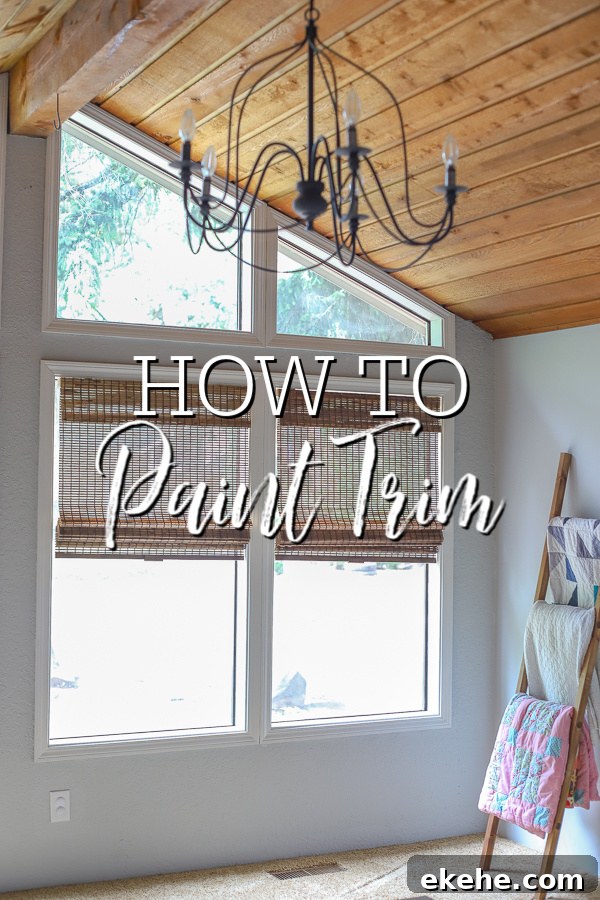
Learn an easy, effective way to paint trim and refresh your home without spending a fortune. A new coat of paint on trim can dramatically brighten rooms and give your entire space an updated look.
Table of Contents
When we moved into our house about a year and a half ago, I couldn’t wait to make changes. The place felt dark despite enormous windows. Dark olive-green walls, deep-stained wood trim and a forested yard combined to keep the rooms shadowed.
We started by painting the main living areas white, which immediately brightened the space. But the dark trim still stood out, and after living with it for a while I decided to paint most of the trim white as well. The change was transformative: rooms felt lighter, fresher and much more modern.
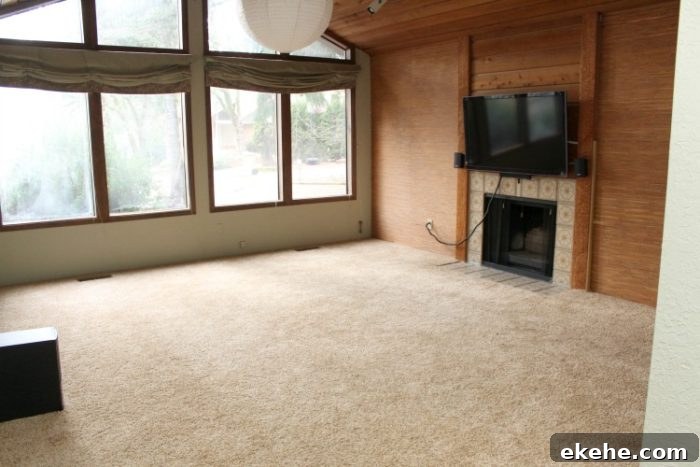
Before
A small amount of paint can make a big visual difference. We also updated other areas on a budget, like painting our fireplace tile and giving the kitchen a budget-friendly refresh, which further opened up the home’s look.
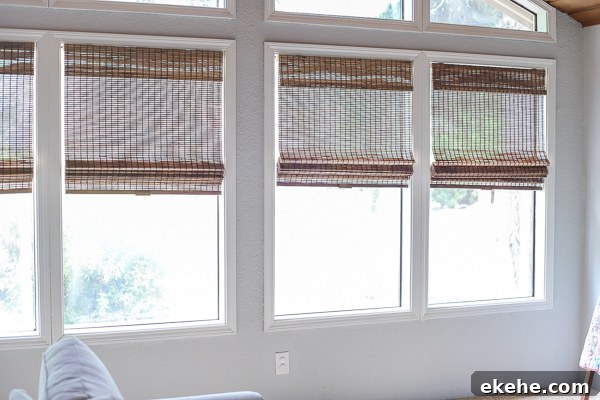
After
There is a right way and a wrong way to paint trim. I learned the hard way by rushing and skipping steps; in a few rooms the paint ended up peeling. After learning the proper method, the trim has stayed looking great without chipping. Follow these simple steps and tips so you get durable, professional-looking results.
What kind of paint do you use on trim?
Semi-gloss is the most popular choice for trim because its slight sheen contrasts nicely with walls and makes cleaning easier. You can use eggshell if you prefer a less glossy finish, but avoid anything flatter than eggshell for trim that needs to stand up to scuffs and cleaning. For paint type, choose an enamel or a durable trim formula. If indoor air quality is a concern, opt for no-VOC or low-VOC paint.
Can I paint trim without sanding?
Sanding is recommended because new paint needs a slightly rough surface to adhere properly. If the trim is previously stained or painted, skipping sanding increases the chance of peeling when it gets bumped. A liquid deglosser can be used if you truly want to avoid sanding, but light sanding is the safer option for long-lasting results.
Do you paint trim before walls?
Many professionals paint trim before walls because it’s often faster to tape trim than to mask entire walls. A common sequence is: trim first, then ceiling, then walls. This approach helps create clean lines and simplifies the taping process.
Best paint brush for cutting in
A short-handled, angled sash brush is my go-to for cutting in trim. The short handle offers great control and makes it easier to paint straight edges. Choose a high-quality brush to reduce brush marks and get smooth coverage.
Tools you will need to paint trim:
Recommended tools:
- Quality angled paint brush (short handle for control)
- Primer
- Semi-gloss or trim-specific paint
- Paint stir sticks and tray
- Sandpaper (100 and 120 grit)
- Spackle and putty knife for filling holes
- Painters tape
- Drop cloths or floor protection
- Tack cloth, damp sponge or paper towels to remove dust
- Paint key or can opener
Love DIY projects? Check out some of our favorites:
- DIY Blanket Ladder
- How to Build a Fireplace Mantel
- How to Paint Fireplace Tile
- Budget Kitchen Renovation
- DIY Side Table Redo
How to paint trim video tutorial
Watch a step-by-step video to see the process in action and to get a clearer sense of brush technique and timing.
How to paint trim
Prepare trim for paint
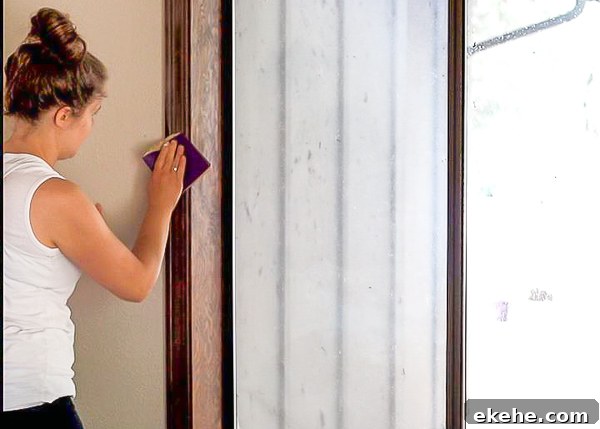
- Wipe down the trim to remove dirt, grease or residue.
- Sand the surface to dull any existing sheen and give paint a key to adhere to.
- Remove sanding dust with a damp cloth or tack cloth.
- Fill holes, cracks and dents with spackle. Let it dry and sand smooth with 120-grit sandpaper. Follow spackle manufacturer’s instructions.
- Wipe the trim again to remove any remaining dust.
- Apply painters tape to protect adjacent walls and floors. Use longer strips and press the tape down firmly to minimize bleed-through.
- Protect floors and furniture with drop cloths or plastic coverings.
- Stir primer thoroughly and pour into a tray.
Painting trim
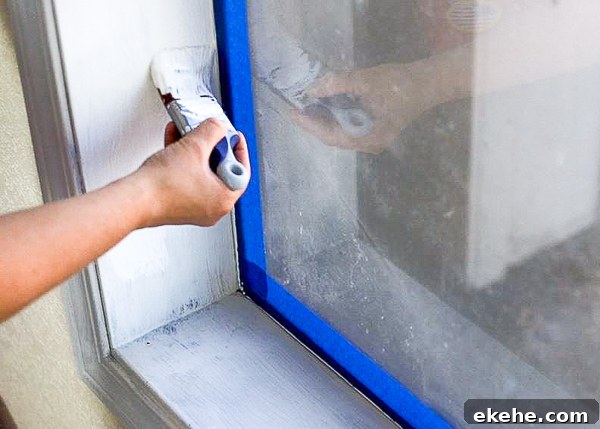
- Apply a coat of primer with an angled brush. Dip the brush about 1/2 inch into the primer so it isn’t overloaded. Allow primer to dry according to label directions; apply a second coat where bare wood shows.
- Lightly sand the primed surface with 120-grit sandpaper, then remove dust. This step smooths any raised grain and improves adhesion.
- Stir the paint thoroughly and pour into a tray.
- Using your angled brush, load only about 1/2 inch of paint on the bristles to avoid drips and heavy brush marks.
- Paint the trim in long, smooth strokes, working in sections until the entire length is covered. Keep a wet edge and maintain consistent brush direction for the best finish.
- If one coat fully covers the surface, remove the painters tape before the paint fully cures to get a crisp line. If a second coat is needed, wait until the first coat is dry and then apply it before removing tape.
- Allow the final coat to dry fully before removing tape or replacing furniture.
How to paint trim with carpet
- Apply painters tape directly to the carpet edge up to the trim.
- Use a putty knife to tuck the tape carefully under the trim for a tight seal.
- Proceed with the same priming and painting steps described above.
Painting trim is a manageable DIY project that delivers major impact for relatively little cost. Even rooms with tall windows and vaulted ceilings benefit from fresh, white trim that reflects light and modernizes the space.
Have you painted your trim yet? With the right preparation and tools, you’ll be surprised how quickly a room can transform.