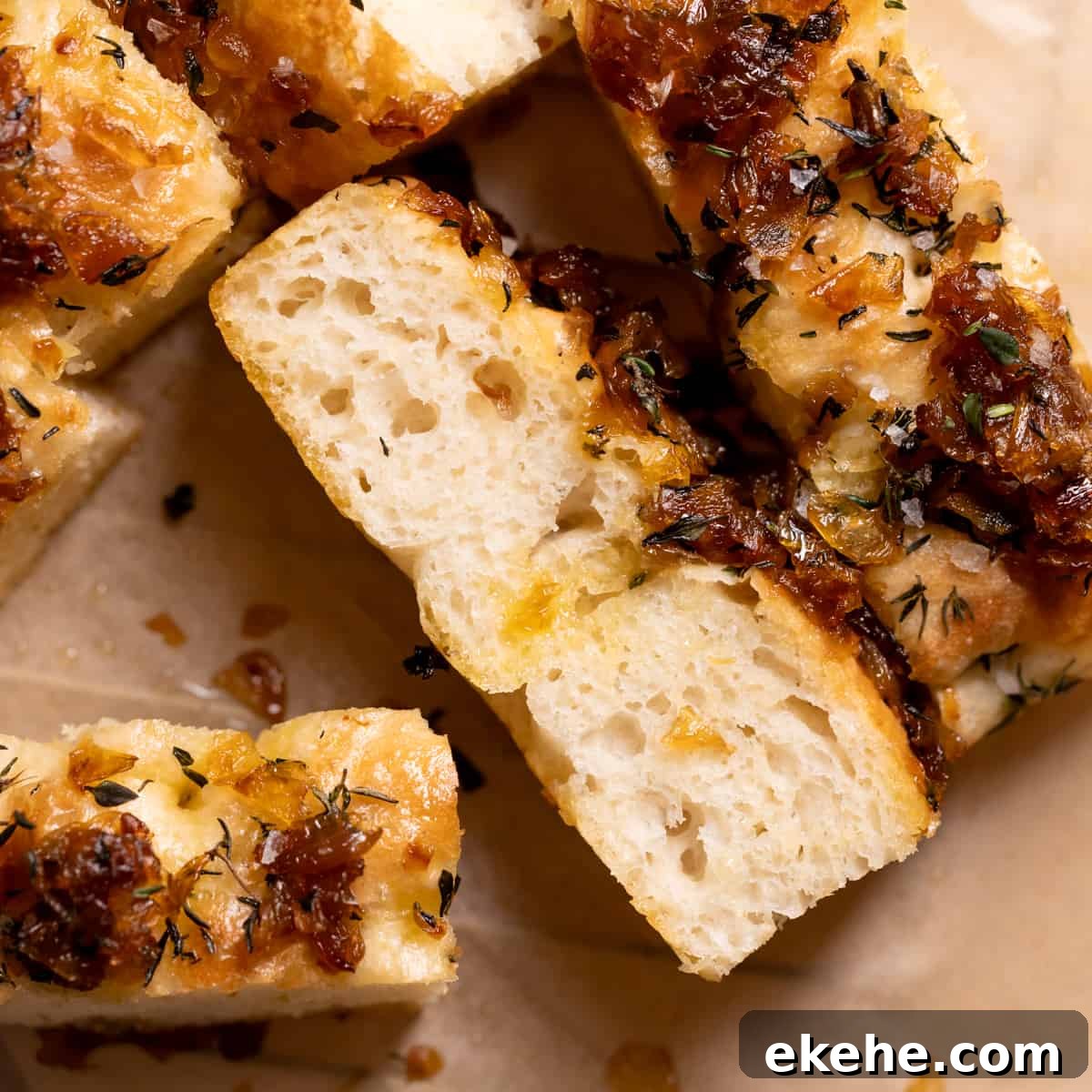
Caramelized onion focaccia – super fluffy focaccia topped with caramelized onions, fresh thyme, and garlic. This easy no-knead yeast bread makes a delicious appetizer or a flavorful side to your favorite meal.
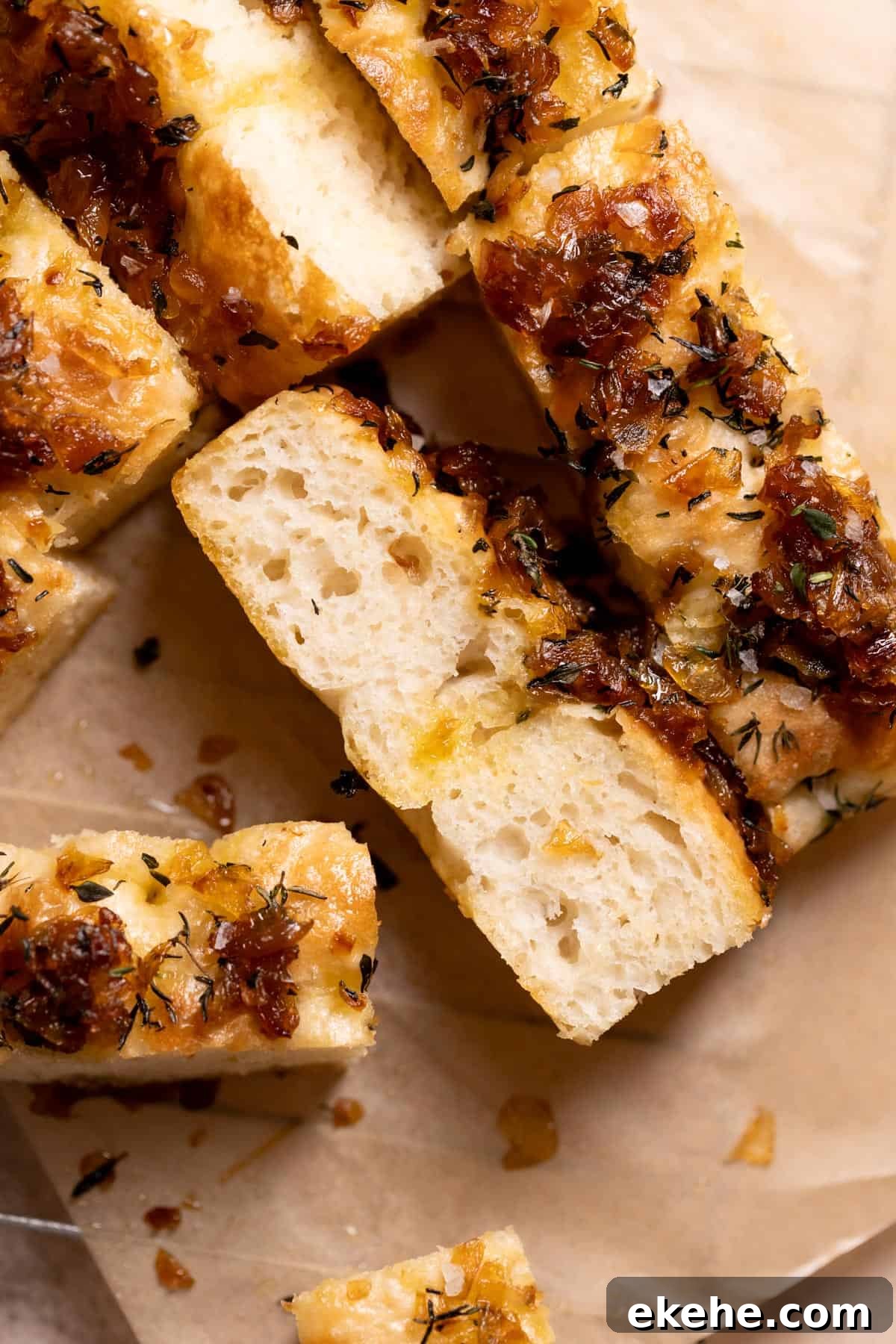
Homemade focaccia is wonderful on its own, but topped with sweet, deeply caramelized onions it becomes truly special. This version is adapted from an easy pizza dough, with a higher hydration so the crumb stays tender and cloud-like.
The bread is brushed with garlic-infused olive oil, sprinkled with fresh thyme, then finished with heaps of caramelized onions. Serve it as a focaccia pizza base, a party appetizer, or alongside soups and salads.
Why You’ll Love This Recipe
- Super-soft, fluffy texture with a flavorful, olive oil–rich crust.
- Make the dough in one bowl with simple pantry ingredients; no kneading required.
- Generous caramelized onions add sweet, savory depth—add cheese on top for a French onion variation.
- Makes a crowd-pleasing appetizer or a satisfying side dish.
Ingredient Notes and Substitutions
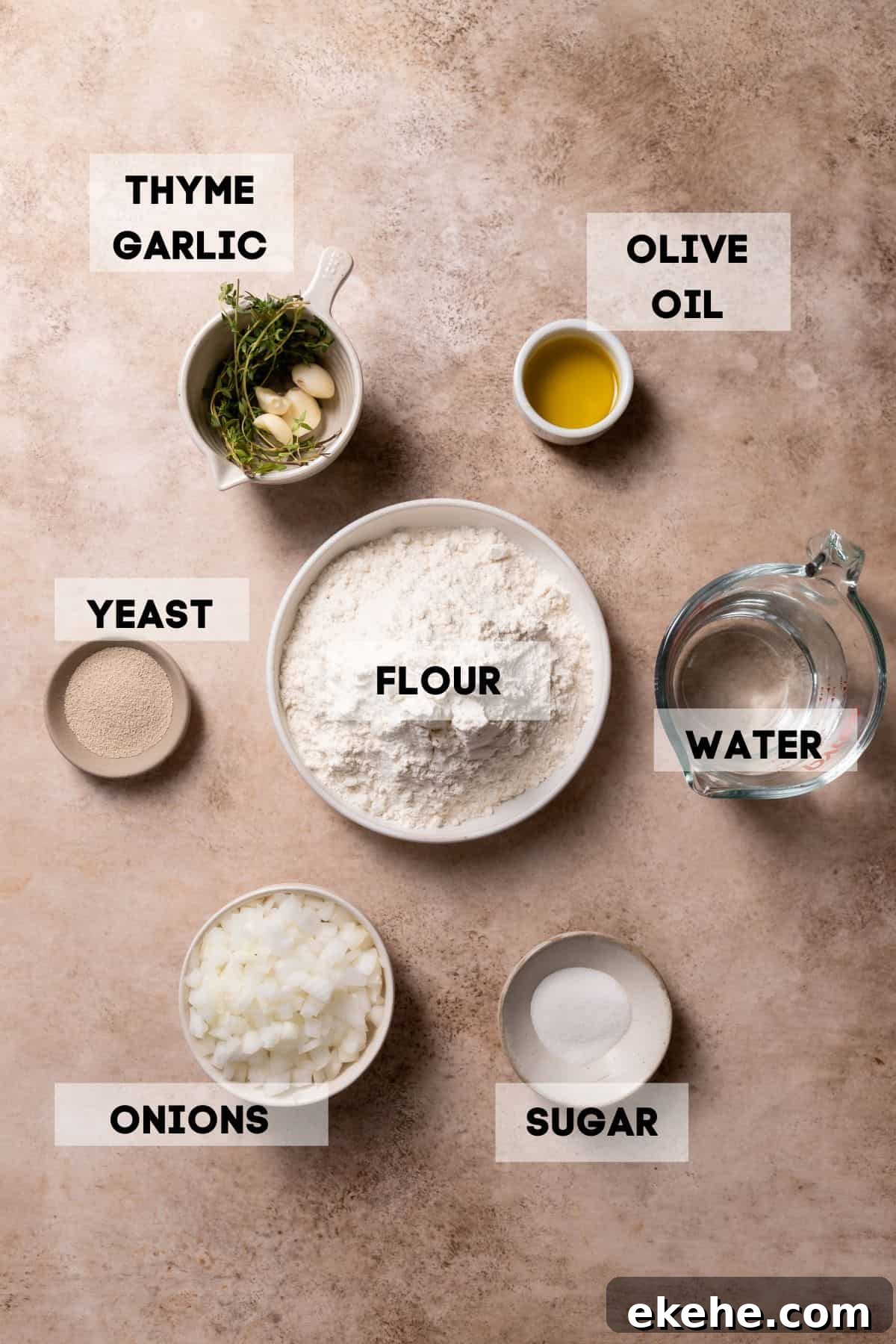
Yellow onions: They caramelize well because of their natural sugars—ideal for this topping.
Olive oil: Extra virgin or regular olive oil gives the best flavor for the dough and finishing oil.
Thyme: Fresh thyme is recommended; fresh rosemary, chives, or other fresh herbs can also work. Dried herbs won’t offer the same bright flavor.
Garlic: Use fresh garlic to infuse the oil; omit if you prefer a milder taste.
Yeast: Instant or active dry yeast both work—if using active dry, dissolve and proof according to package directions.
How to Make Caramelized Onion Focaccia
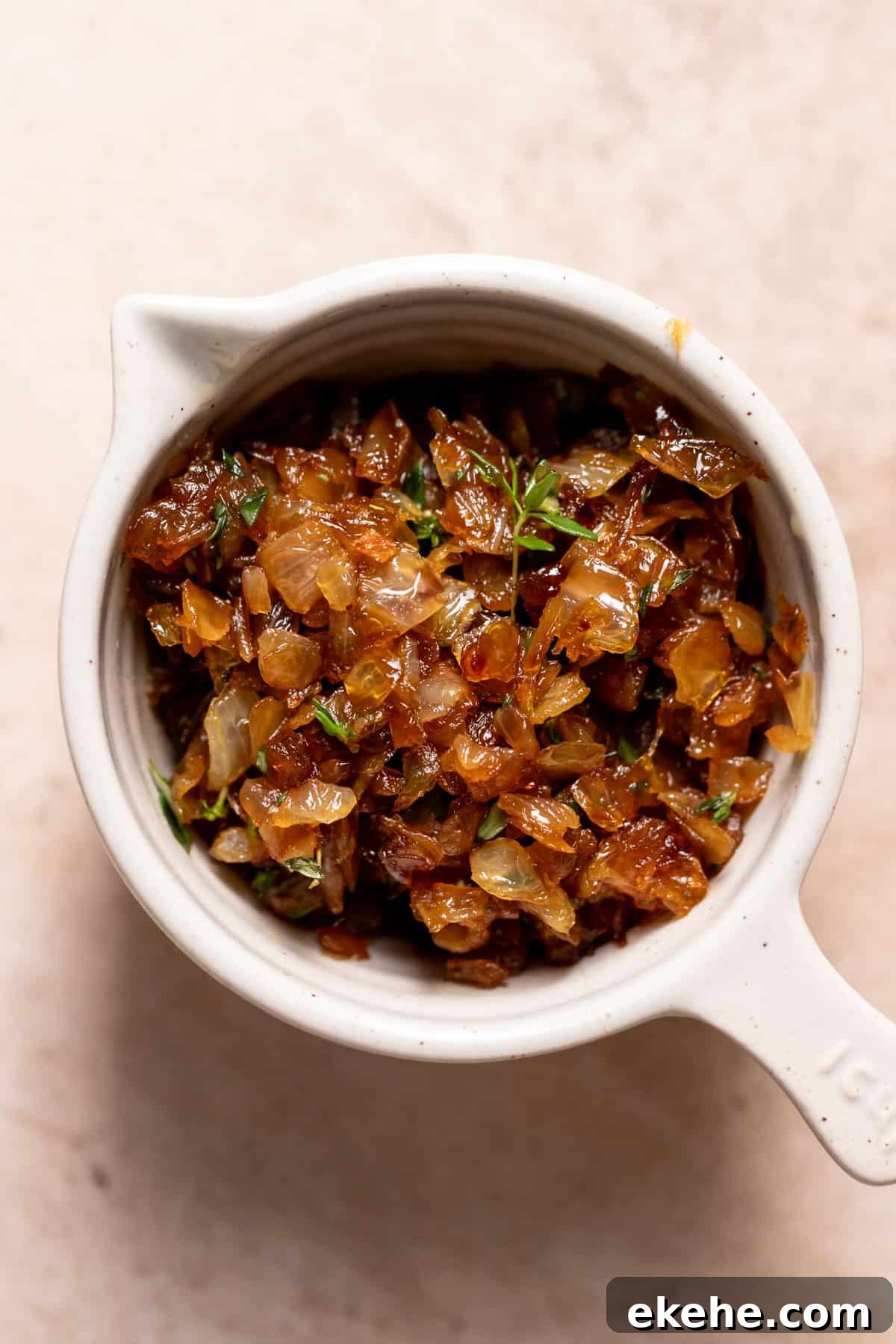
Step 1: Make the caramelized onions. Melt butter with olive oil in a large skillet, add the sliced or diced onions and a splash of water, cover until softened (about 5 minutes), then uncover and reduce heat to medium-low. Stir frequently for roughly 1 hour until the onions are deep golden brown. Stir in chopped fresh thyme and set aside.
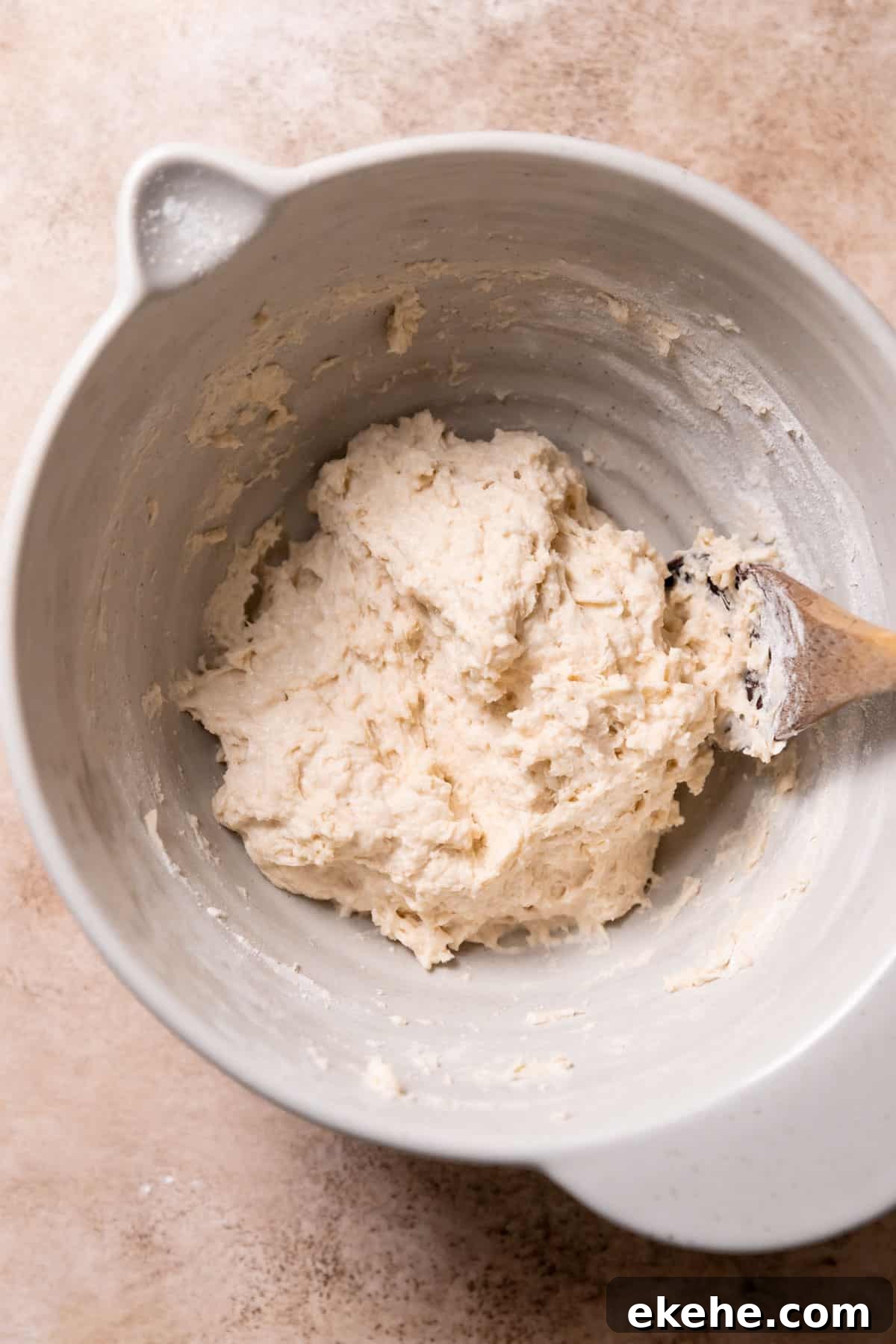
Step 2: Combine the dough. In a large bowl mix all-purpose flour, sugar, salt, yeast, optional parmesan, and lukewarm water with olive oil until a shaggy dough forms. Mix with a wooden spoon or in a stand mixer on low until combined.
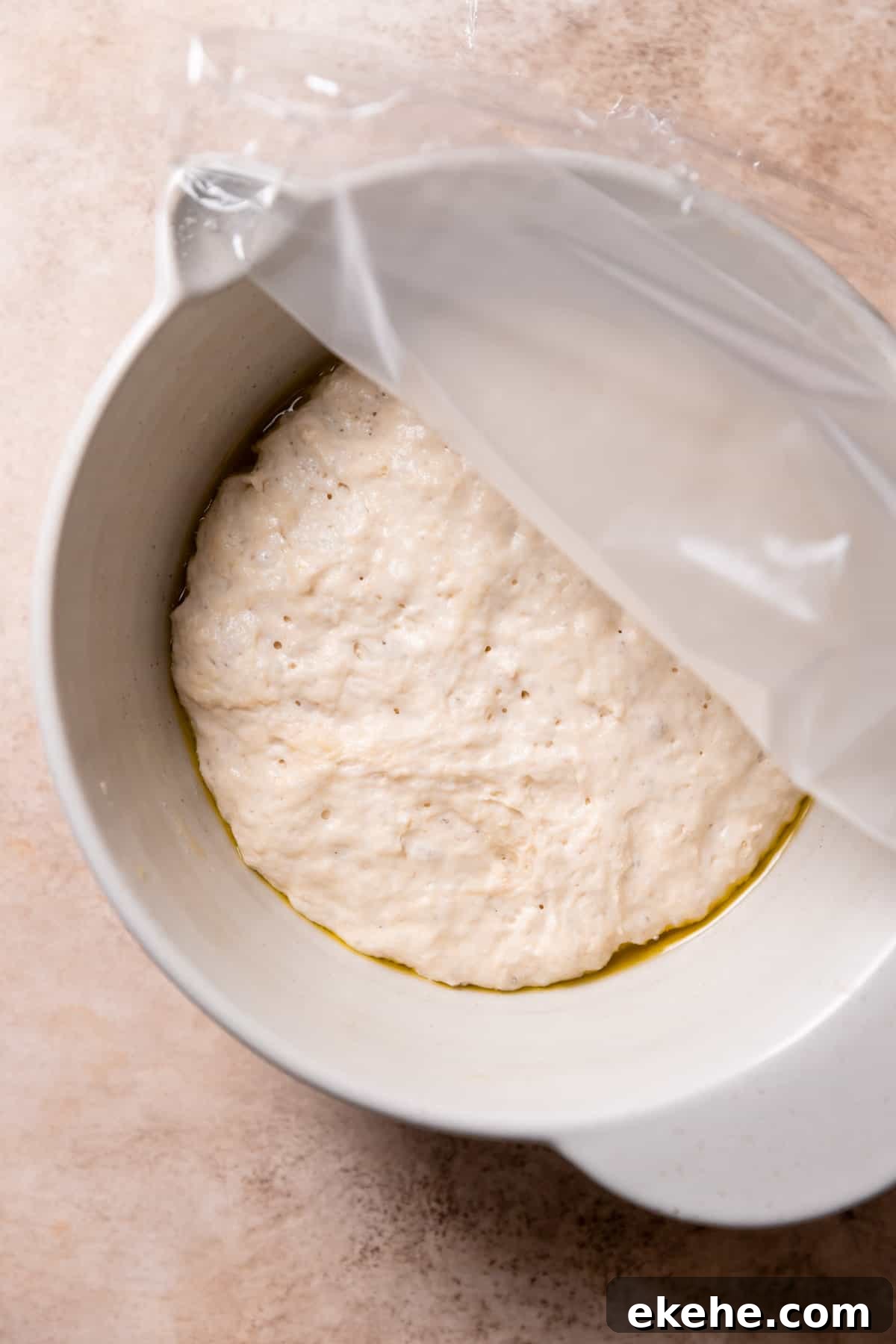
Step 3: First rise. Oil your hands and place the dough in a lightly oiled bowl. Cover and let rise in a warm spot until doubled, about 60 minutes.

Step 4: Make the garlic oil. Heat olive oil and sliced or crushed garlic in a small pan for about 5 minutes until fragrant. Discard the garlic and reserve the oil for brushing the dough.
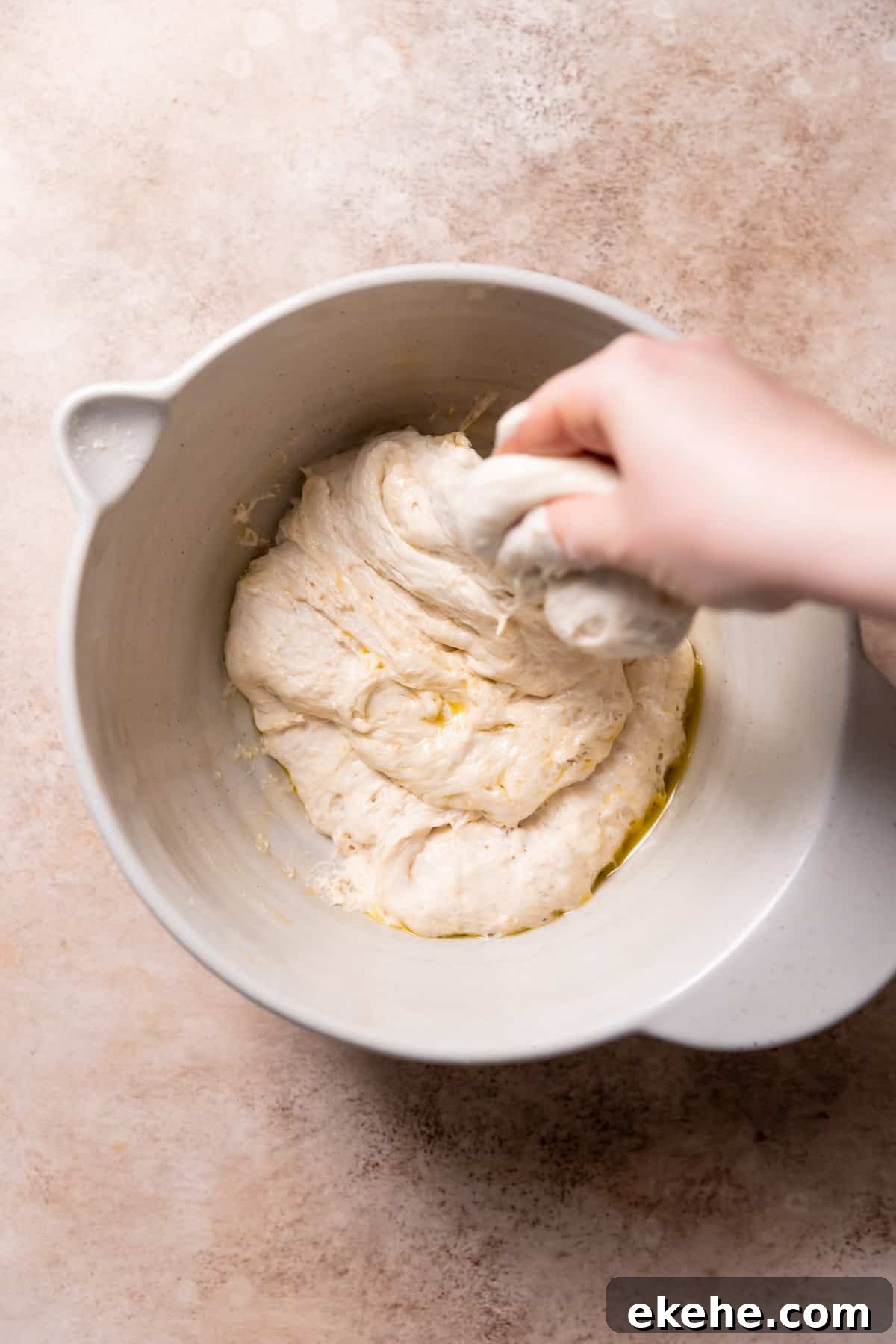
Step 5: Stretch and fold. Deflate the dough gently with oiled hands. Pull the top edge up and fold it into the center, then repeat with the remaining three sides for a total of four stretches and folds.
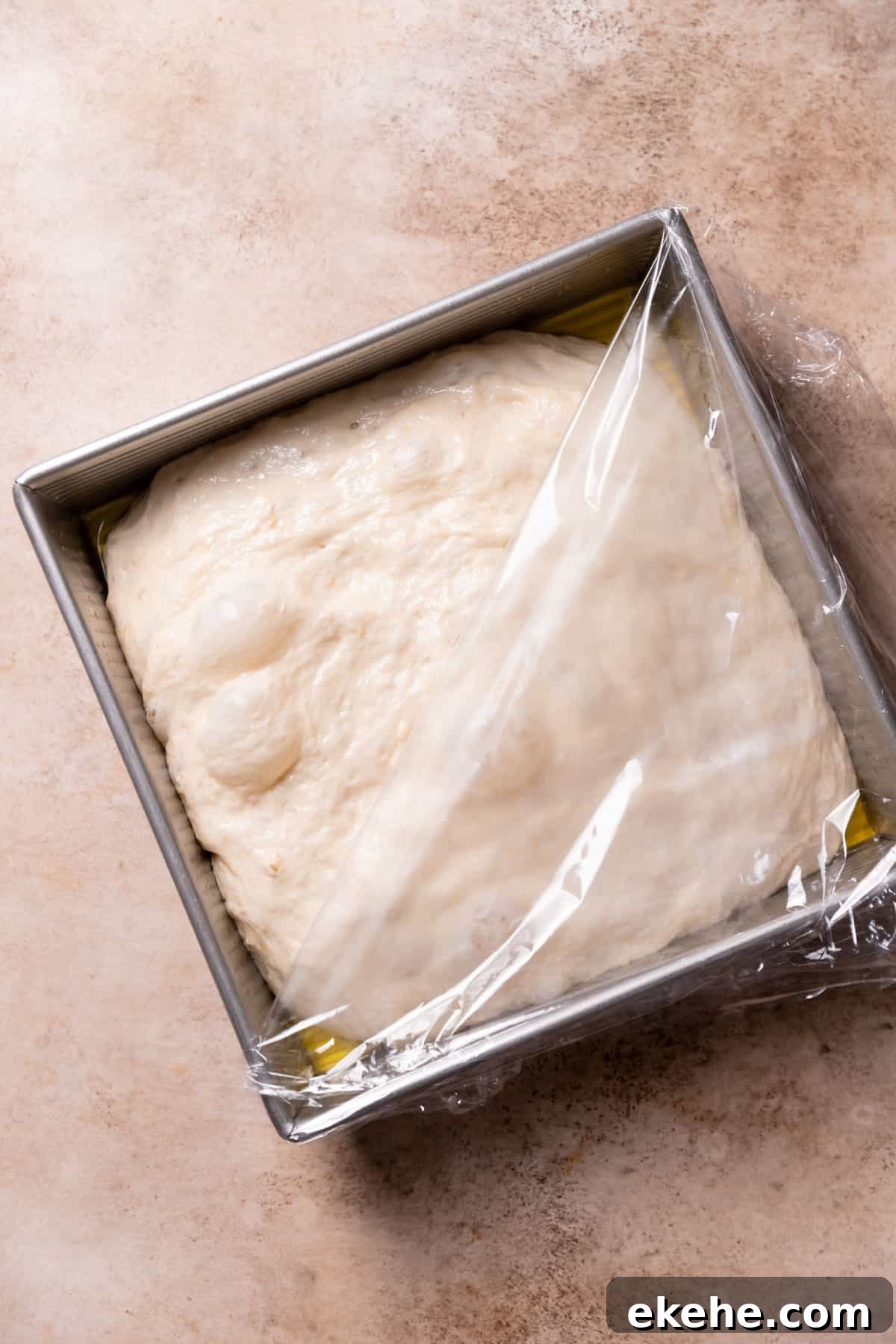
Step 6: Second rise. Transfer the dough seam-side down into an oiled 9×9 metal baking pan. Cover and let rise again in a warm spot for about 60 minutes. It should become jiggly with large bubbles and nearly fill the pan.
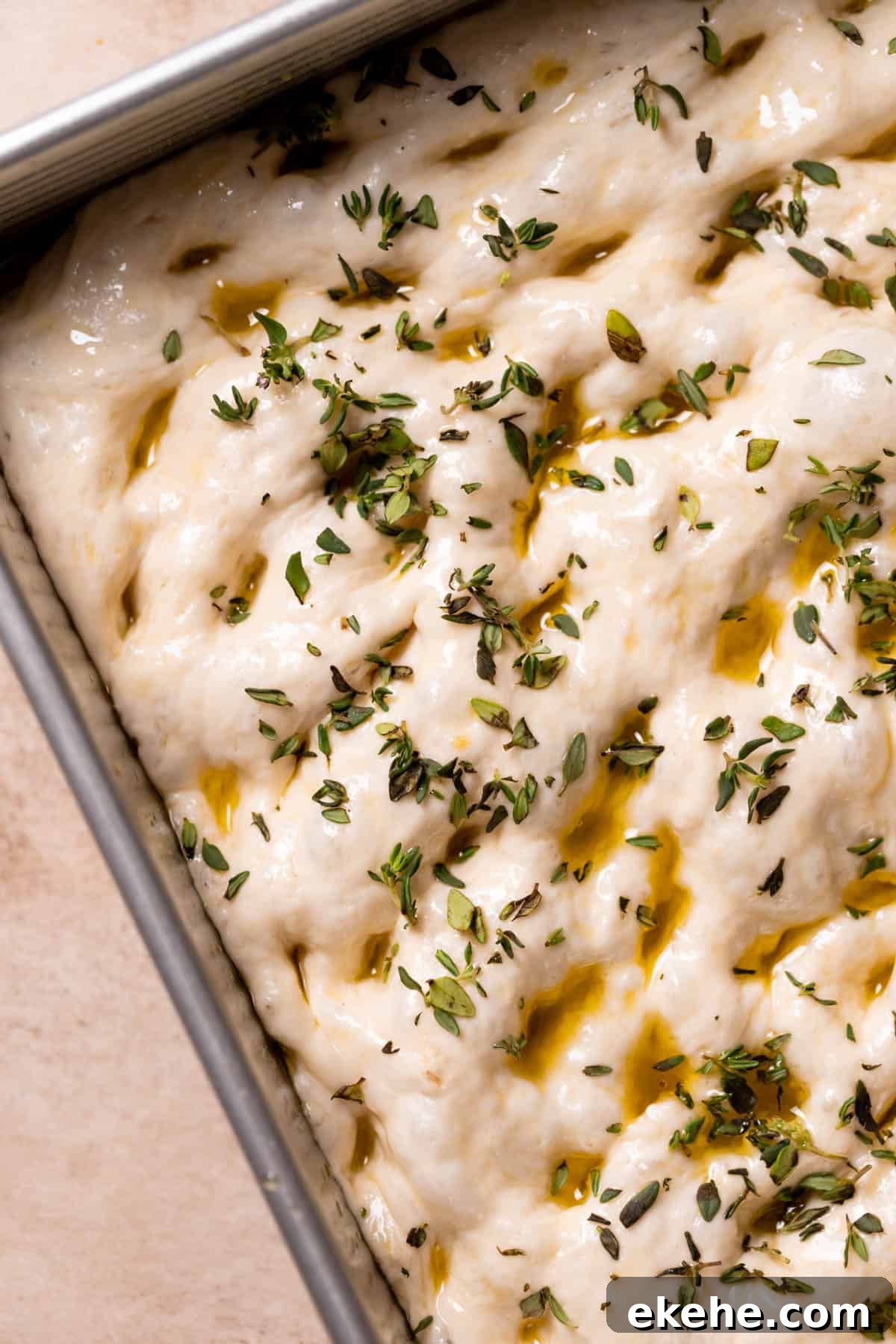
Step 7: Bake. Preheat the oven to 425°F (220°C). Pour remaining garlic oil over the dough, then use oiled fingers to press deep dimples across the surface. Sprinkle with fresh thyme and bake 12–18 minutes until golden and the internal temperature reaches about 190°F (88°C).
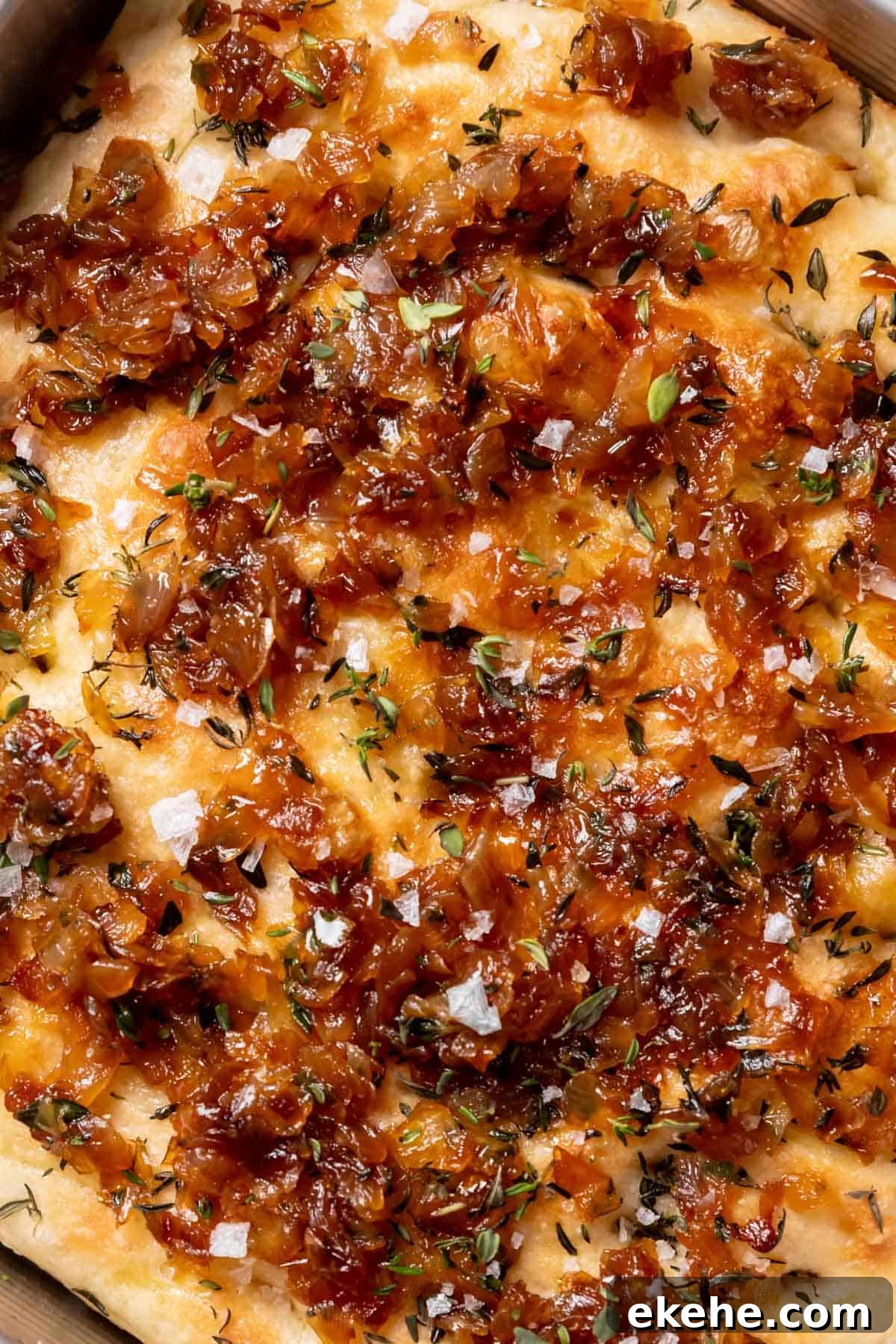
Step 8: Finish and serve. Remove from the oven, spoon the caramelized onions over the top, let the pan cool on a rack, then sprinkle with flaky sea salt and extra thyme if desired. Slice and serve warm.
Expert Baking Tips
- Measure flour correctly: Fluff the flour, spoon into the cup, and level—or better yet, use a kitchen scale for accuracy.
- Work with oiled hands: The dough is sticky; oil prevents it from clinging to your fingers.
- Adjust pan size: Use a 9×13 pan for a thinner focaccia or an 8×8 pan for a thicker loaf.
- Serve warm: Focaccia is best the day it’s made but can be stored and reheated the next day.
Recipe FAQs
Focaccia is an olive oil–rich Italian bread that’s thicker and airier than many other breads. It often contains more yeast and higher hydration, producing its characteristic open crumb and tender crust.
Can I make this in a round pan?
Yes. Changing pan size will affect thickness and bake time, so watch it closely. It can also be baked in a skillet or springform pan for a different presentation.
How do you store caramelized onion focaccia?
Store in an airtight container in the refrigerator for 2–3 days. Reheat before serving for the best texture.
Can you reheat it?
Yes—warm in the microwave for 30–60 seconds or in a toaster oven on low until heated through.

If you try this recipe, please leave a comment and rating to let me know how it turned out. I love hearing from readers and seeing your variations.
Caramelized Onion Focaccia
Ingredients
For the Caramelized Onions
- 2 tbsp olive oil
- 1 tbsp salted butter
- 4 cups diced yellow onions
- 1/4 cup water
- 2 tbsp fresh thyme, chopped
For the Dough
- 2 1/2 cups all-purpose flour
- 1 1/4 cup lukewarm water
- 1/4 cup grated parmesan (optional)
- 2 tbsp olive oil
- 1 tbsp granulated sugar
- 2 tsp instant yeast
- 3/4 tsp salt
- 1–2 tbsp fresh thyme
For the Garlic Oil
- 1/4 cup olive oil
- 3 whole garlic cloves, crushed
Instructions
- Melt butter and olive oil in a large skillet. Add onions and water, cover until softened (about 5 minutes). Uncover and cook over medium-low, stirring frequently, about 1 hour until deeply caramelized. Stir in chopped thyme and set aside.
- In a large bowl, combine flour, water, parmesan (if using), olive oil, sugar, yeast, and salt. Stir until a shaggy dough forms.
- Lightly oil your hands and a separate large bowl. Place dough in the oiled bowl, cover, and let rise in a warm place until doubled, about 1 hour.
- While dough rises, make the garlic oil: heat olive oil with garlic for about 5 minutes until fragrant. Remove and discard the garlic; let the oil cool.
- Preheat oven to 425°F (220°C). Pour half the garlic oil into an unlined metal 9×9 pan and set aside.
- After the first rise, with oiled hands stretch the top of the dough and fold to the center; repeat with the other three sides. Transfer seam-side down to the oiled pan, cover, and let rise another hour until puffy and bubbly.
- When ready, pour remaining garlic oil over the dough and press deep dimples with your fingers. Sprinkle with fresh thyme and bake 12–18 minutes until golden and cooked through (about 190°F/88°C internal).
- Remove from oven, spoon caramelized onions over the top, cool on a wire rack, then finish with flaky sea salt and additional thyme. Slice and serve warm.
- Store leftovers in an airtight container in the fridge for 2–3 days, or freeze wrapped tightly for up to a month. Reheat before serving.
Notes
Measure flour properly: Don’t scoop flour directly with a measuring cup—fluff, spoon, and level, or use a kitchen scale for best results.
Always work with oiled hands: The dough is sticky and oil prevents it from sticking.
Pan options: Use a 9×13 for thinner focaccia or an 8×8 for a thicker loaf.