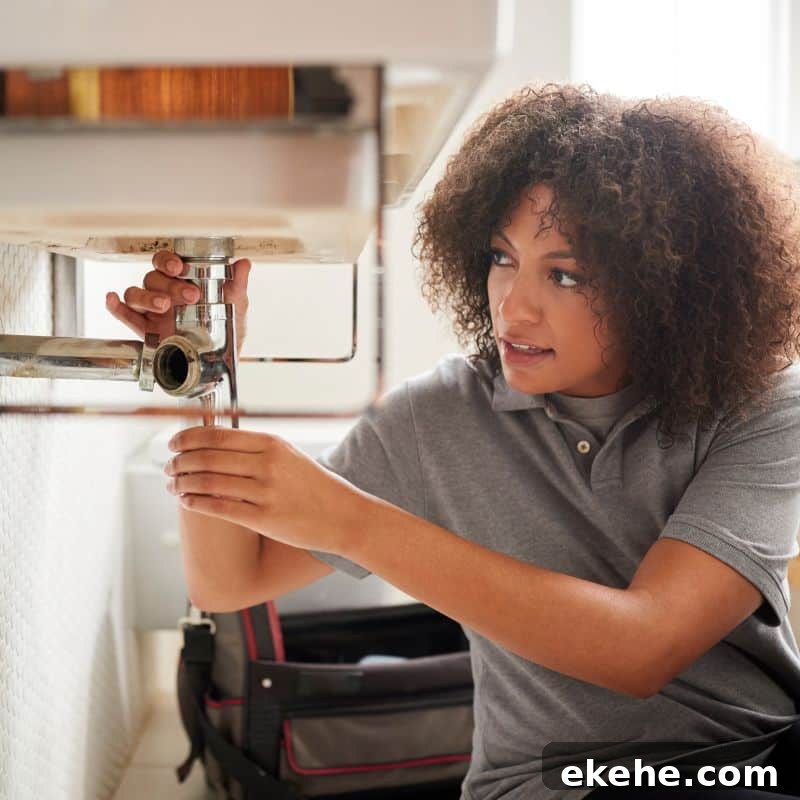
As a mom, you juggle many roles—chef, chauffeur, teacher and, often, the household handyperson. Plumbing problems can appear at the most inconvenient times, but learning a few practical fixes can save time, money and stress. The following tips focus on safe, effective ways to handle common minor plumbing issues so you can manage them quickly without calling a professional.
Unclogging a Stubborn Drain
Clogged sinks and bathtub drains are a frequent nuisance, especially in homes with children who enjoy leaving small toys or hair in the plumbing. Avoid harsh chemical drain cleaners; instead, try a plunger first. Create a tight seal over the drain and pump vigorously to dislodge the blockage. For added stability in complex under-sink plumbing, high-quality tube clamps can help secure pipes and prevent future leaks. If you prefer an eco-friendly method, pour a half cup of baking soda followed by half a cup of vinegar down the drain, wait 15–30 minutes, then flush with hot water.
Clearing a Garbage Disposal Jam
A jammed garbage disposal can disrupt meal prep and cleanup. Before attempting any fix, turn off power to the unit at the switch or breaker. From beneath the sink, use an Allen wrench in the disposal’s hex socket to manually rotate the motor and free the jammed impeller. If that doesn’t work, press the reset button on the bottom of the unit. Never reach into the disposal with your hand; use long-handled tongs or pliers if you need to remove debris. Regular maintenance—avoiding fibrous or hard items and running cold water while grinding—helps prevent future jams.
- Safety first: cut power to the disposal before working on it and keep the area well lit.
- Use the reset button after attempting to free the motor manually.
- Remove obstructions with tongs or pliers rather than your hands.
- Prevent jams by avoiding large bones, fibrous produce and excessive grease.
Fixing a Running Toilet
A running toilet wastes water and raises your utility bills. Lift the tank lid and inspect the flapper—the rubber seal that covers the flush valve. If it’s warped or worn, replace it with a new flapper sized to your toilet. If the flapper seems fine, check the chain and float arm: adjust the chain length so the flapper seals properly and set the float so the tank stops filling at the correct level. These simple adjustments usually stop continuous running and restore efficient flushing.
Repairing a Leaky Faucet
Dripping faucets are annoying and waste water steadily. To repair one, shut off the water supply to the faucet, disassemble the handle and replace worn washers, O-rings or cartridges depending on the faucet type. Identify whether your faucet is a compression, ball, cartridge or ceramic disk model before choosing replacement parts. Gather basic tools—adjustable wrench, screwdrivers and pliers—before you begin, and follow the manufacturer’s instructions or a trusted tutorial that matches your faucet type. Reassembling in the correct order and testing for leaks will restore a drip-free fixture.
- Identify your faucet type to select the right replacement parts.
- Gather tools and a replacement washer or O-ring before starting.
- Shut off the local shut-off valves or the main water supply.
- Follow step-by-step instructions to avoid mistakes and ensure a proper seal.
Dealing with Low Water Pressure
Low water pressure can make daily chores frustrating. Start by removing and cleaning the faucet aerator—mineral buildup often restricts flow. If cleaning the aerator doesn’t help, check that supply valves to the fixture are fully open. If multiple fixtures show low pressure, mineral deposits from hard water can be the cause; in that case, consider descaling fixtures and monitoring appliances for signs of buildup. Addressing these causes early can prevent more serious plumbing wear and maintain effective water flow.
Hard water leaves mineral deposits inside pipes and fixtures, gradually reducing flow and stressing plumbing components. If mineral buildup is suspected, clean accessible aerators and showerheads and consider periodic descaling to extend the life of your plumbing.
Sealing a Leaking Pipe Joint
Leaking joints can cause damage and should be handled promptly. Turn off the water supply to the affected area, dry the joint thoroughly, and apply an appropriate plumbing epoxy or pipe-sealing tape following the product instructions. These fixes are often temporary but can stop a small leak until you can arrange a permanent repair or replacement. For soldered or threaded joints that continue to leak, plan a more durable repair with the correct materials or professional assistance if needed.
With these straightforward skills in your toolkit, you’ll be better prepared to tackle common household plumbing issues. Quick, safe fixes can save money and prevent small problems from becoming major repairs, giving you more time for the things that matter most. When in doubt or when a problem is beyond a simple repair, don’t hesitate to call a licensed plumber to ensure a safe, lasting solution.